Kraut Creek Regenerative Ag Supply

Kraut Creek Regenerative Ag Supply

  • Menu
  • Non-GMO Feed
  • Ordering
  • Other Products
  • Dealers
  • Education
    • Articles
  • FAQ
  • Contact
LET’S GET SOCIAL

Kraut Creek Regenerative Ag Supply

  • Contact us

    Contact us today for further info:

    1468 Sater Street
    Greenville, Ohio 45331

    Hours of Operation: 

    Monday - Friday

    8am - 4:30pm

    (833) 466-6466
    OR 833-4NONGMO

    info@krautcreek.com

Contact Us

  • 937.459.0618
  • info@krautcreek.com

Author: Carey Reese (Page 2)

  • Home
  • Author: Carey Reese
  •  (Page 2)

Jul

23

You Can’t Trust Labels, Only People

In today’s world, labels like organic and non-GMO carry a lot of weight—and for good reason. But it’s worth asking: what do those labels actually guarantee… and what do they leave out?


Organic vs. Non-GMO – what’s the difference?
Non-GMO means the ingredients are not genetically modified.
Organic goes further, with regulations around how crops are grown—no synthetic pesticides, herbicides, or fertilizers, and additional standards for handling and processing.


Both have value. But neither label tells the whole story.
The reality is, a label is a certification of a standard—but it’s not a guarantee of freshness, nutrient quality, sourcing transparency, or the integrity of the people producing it. Feed can still sit for long periods, ingredients can vary in quality, and minimum standards don’t always equal optimal nutrition.


At Kraut Creek, we’ve made a conscious decision:
We are certified non-GMO, but not certified organic.


Why? Because while organic certification has benefits, it also comes with significant costs—and those costs get passed on to you. Instead, we focus on building feeds that are as closely aligned with organic practices as we can, without making them financially out of reach for the farmers and homesteaders we serve.


But more importantly, we go beyond what’s required.


We invest in third-party testing of our feeds and ingredients to ensure they are free from:
Herbicides
Pesticides
Mycotoxins
Antibiotics
Hormones


None of that testing is required for non-GMO certification. We do it because we want to know, not assume, that what we’re providing is clean, safe, and worthy of the animals you raise and the families you feed.


At the end of the day, labels matter, but integrity matters more.
The best guarantee of quality isn’t just what’s printed on the bag…
It’s the people willing to stand behind it.

Feed Livestock, General
0

Jul

23

Fresh Feed Matters

Fresh Feed Matters More Than You Think 🐔🌾


When it comes to livestock nutrition, freshness isn’t just ideal – it directly impacts performance, health, and how well your animals actually eat.


Over time, feed begins to oxidize. Oxidation is what happens when fats and nutrients in the feed react with oxygen, leading to rancidity, nutrient loss (especially vitamins like A & E), and reduced energy value. In simple terms: the longer feed sits, the less it has to offer.


Animals can tell, too. Poultry in particular are sensitive to stale feed and will often eat less or pick through it, which means lower intake and less consistent nutrition. Fresh feed is more palatable, more aromatic, and more readily consumed.


Grain type also plays a role:
Cracked grains have more surface area exposed to air → faster oxidation → shorter shelf life
Whole grains stay intact longer → better protection of nutrients → extended freshness


According to poultry feed nutritionist Jeff Mattocks, feed is at its peak value shortly after milling, and quality steadily declines from there – especially in mixes containing fats or oils.


The reality is, many commercial feeds can sit in warehouses, on trucks, or on store shelves for weeks to months before ever reaching your farm. And you have no way of knowing how long it’s been there or how much nutrition is actually left.


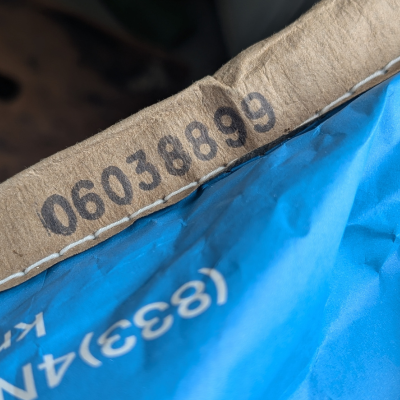
That’s why we mill most of our feeds to-order, and recommend aiming to use feed within 1–2 months of production for maximum freshness and nutritional value. To help with that, all of our bags are clearly tagged with the production date (month & day), so you know exactly how fresh your feed is when it hits your barn.


Because better feed starts with fresher feed!

Feed Livestock
0

Jul

23

Homestead Highlight: Grace & Grain Meats

At Grace & Grain Meats, the connection between land, livestock, and family runs deep. This is the kind of operation where animals are raised with intention, not shortcuts, and where quality starts long before anything ever reaches the table.


Rooted in faith and guided by a commitment to stewardship, Grace & Grain focuses on raising animals in a way that respects both the land and the life it supports. It’s a slower, more thoughtful approach – one that prioritizes animal well-being, clean nutrition, and honest production practices.


Like many small, locally-owned meat operations, their work reflects a bigger mission: providing nutrient-dense, locally raised food while strengthening the relationship between farmer and customer. That kind of transparency and care is what sets homestead-raised meat apart from conventional sources, where quality often begins at the farm level and carries through every step to your plate.


Whether you’re stocking your freezer, feeding your family, or simply looking to know your farmer, Grace & Grain Meats represents what so many of us are working toward: food that’s raised right, close to home, and rooted in something deeper than convenience.


We’re grateful for homesteads like this that are doing the work, serving their communities, and helping bring integrity back to the food system!

General
0

Jul

23

Tips for Comparing Feeds by Value, Not Price

When you’re shopping for livestock feed, it’s easy to grab the “better deal” based on price per bag, but that doesn’t always mean you’re getting the best value.


To truly compare feeds, you have to make sure you’re comparing apples to apples. And that’s where things can get tricky, because reading labels can be overwhelming.


Here are a few ways feeds can look cheaper than they really are:
🔹 Lower protein levels
A 16% feed will almost always cost less than an 18% feed, but your animals will need to eat more of it to meet their nutritional needs.


🔹 Fewer pounds per bag
Not all bags are created equal. A 40 lb. bag next to a 50 lb. bag might look similar on the shelf – but that’s a 20% difference right out of the gate.


🔹 Filler ingredients
Some feeds rely heavily on lower-cost fillers that dilute nutritional value to fill out a bag. It may look like a deal, but you’re often paying for less usable nutrition, or worse, harmful ingredients.


🔹 Higher feeding rates
If a feed requires you to feed more per animal per day, your “cheap” bag may actually cost you more over time.


🔹 Requires supplementation
Cheaper feeds are often missing key ingredients, requiring you to supplement or top dress with another product to meet all your animal’s needs, such as calcium for layers or prebiotics for livestock. A quality feed covers all your animal’s basic needs and then some in one bag.

So how do you compare feeds the right way?

  • Look at cost per pound, not just cost per bag
  • Compare protein, fat, and fiber levels side by side
  • Check the feeding recommendations – how much will you actually use?
  • Pay attention to the ingredients listed, not just the guaranteed analysis
  • Is it a complete feed containing vitamins, minerals, direct fed microbials and salt?


Use feed conversion calculators when needed (especially for minerals listed in ppm) to understand what your animals are actually getting, as most feed companies list their ingredients in percentages, ppm, or IU/lb. We like this one: https://madbarn.com/conversion-calculator/


And one more thing to keep in mind:
Form matters!


Pelleted feeds can be convenient, but they can also make it harder to see what’s really inside. Whole or textured feeds offer more transparency, allowing you to better evaluate ingredient quality at a glance, and avoid unnecessary binders.


Everyone is pinching pennies right now, we get it. But the goal isn’t to buy the cheapest feed – it’s to find the one that delivers the most value, best performance, and strongest nutrition for your animals, and you!


Look beyond the bag, that’s where the real difference shows up.

Feed Livestock
0

Jul

23

Homestead Highlight: Double J Farm

We love getting to spotlight families who are truly living out what it means to steward the next generation well—and Double J Farm, run by the Jones family, is a great example of just that.

Rooted in hard work, faith, and a commitment to doing things the right way, the Tasha & Joel Jones have built their farm around quality, care, and consistency. Like many strong family operations, they believe in raising quality animals and products.

At Double J Farm, it’s not just about production – it’s about purpose. About caring for the land, the animals, and the people they serve, and teaching their two daughters the same. The whole family is involved in the livestock around here, from raising a commercial meat goat herd, to breeding and showing ADGA registered Nigerian Dwarfs, rabbits, American game and Asil chickens, and the occasional pig. Their girls have practically grown up in the show pen! When they aren’t busy taking care of their breeding stock, they’re enjoying some down time with the family horses. You can find a little bit of everything on the Double J Farm!

We’re grateful for families like the Joneses who continue to invest in the future of livestock, and passing it to the next generation.

If you haven’t already, go check them out and follow along with their journey:

🌐doublejfarm.net

📱Double J Farm

General
0

Jul

23

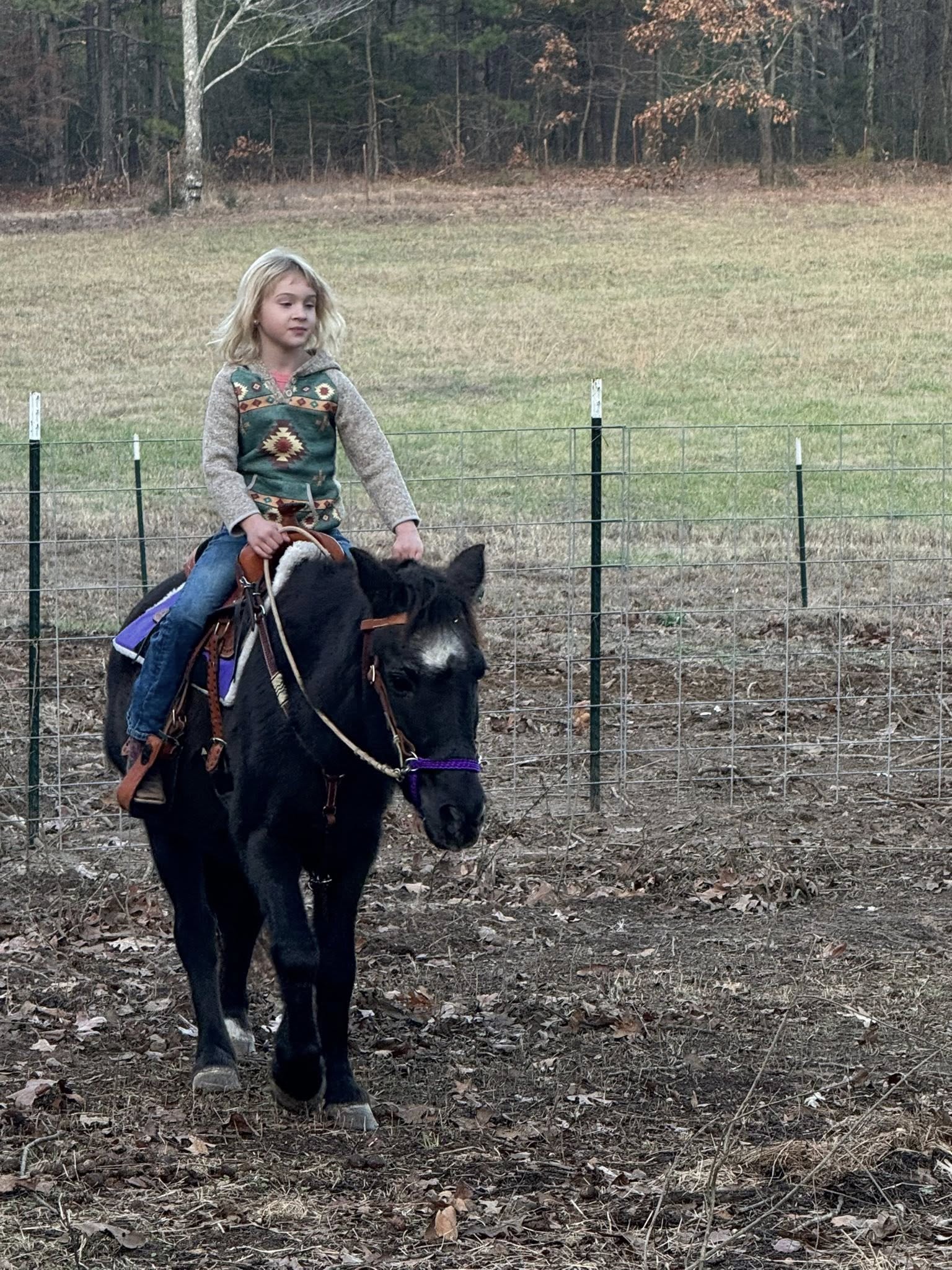
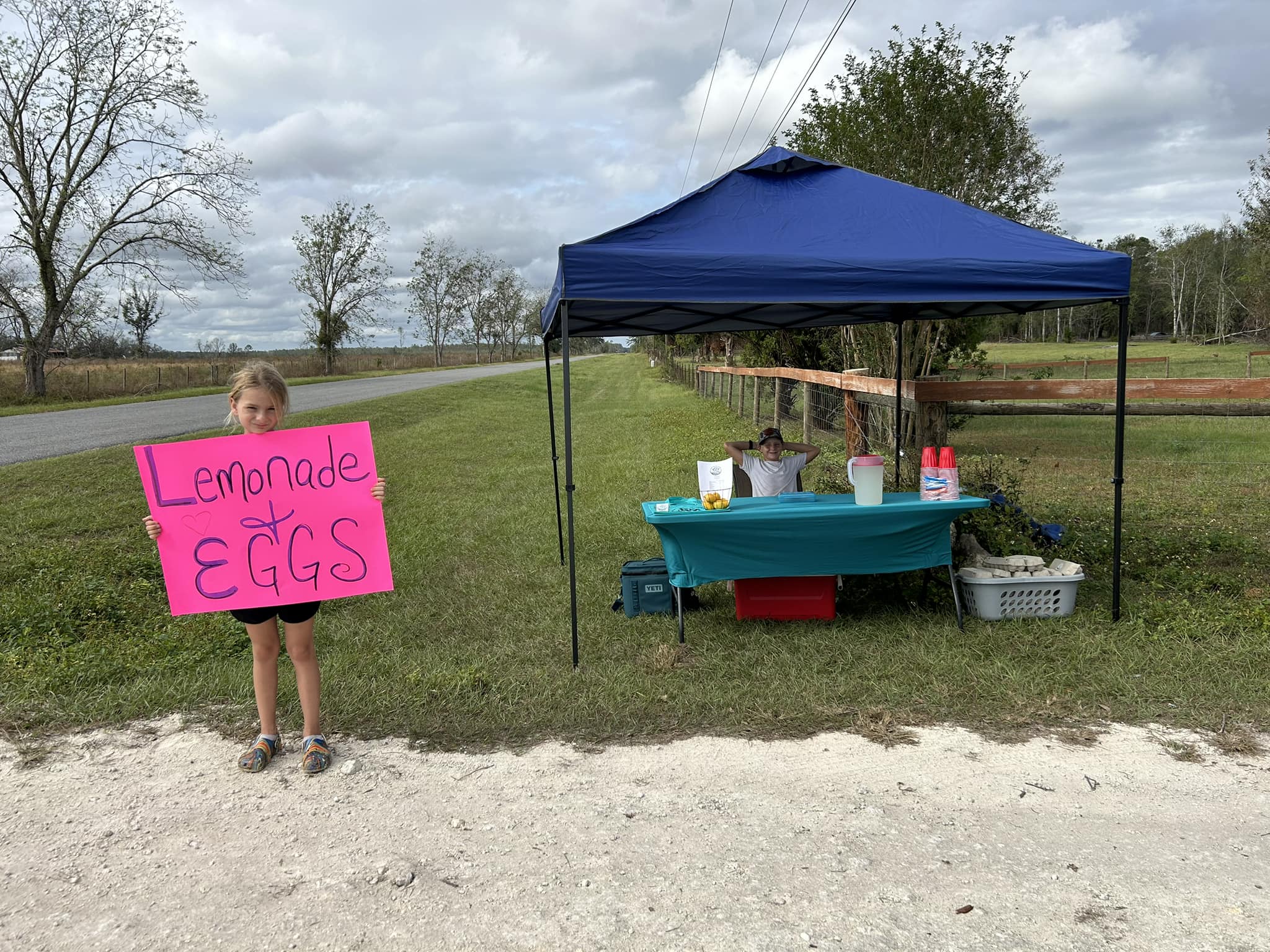
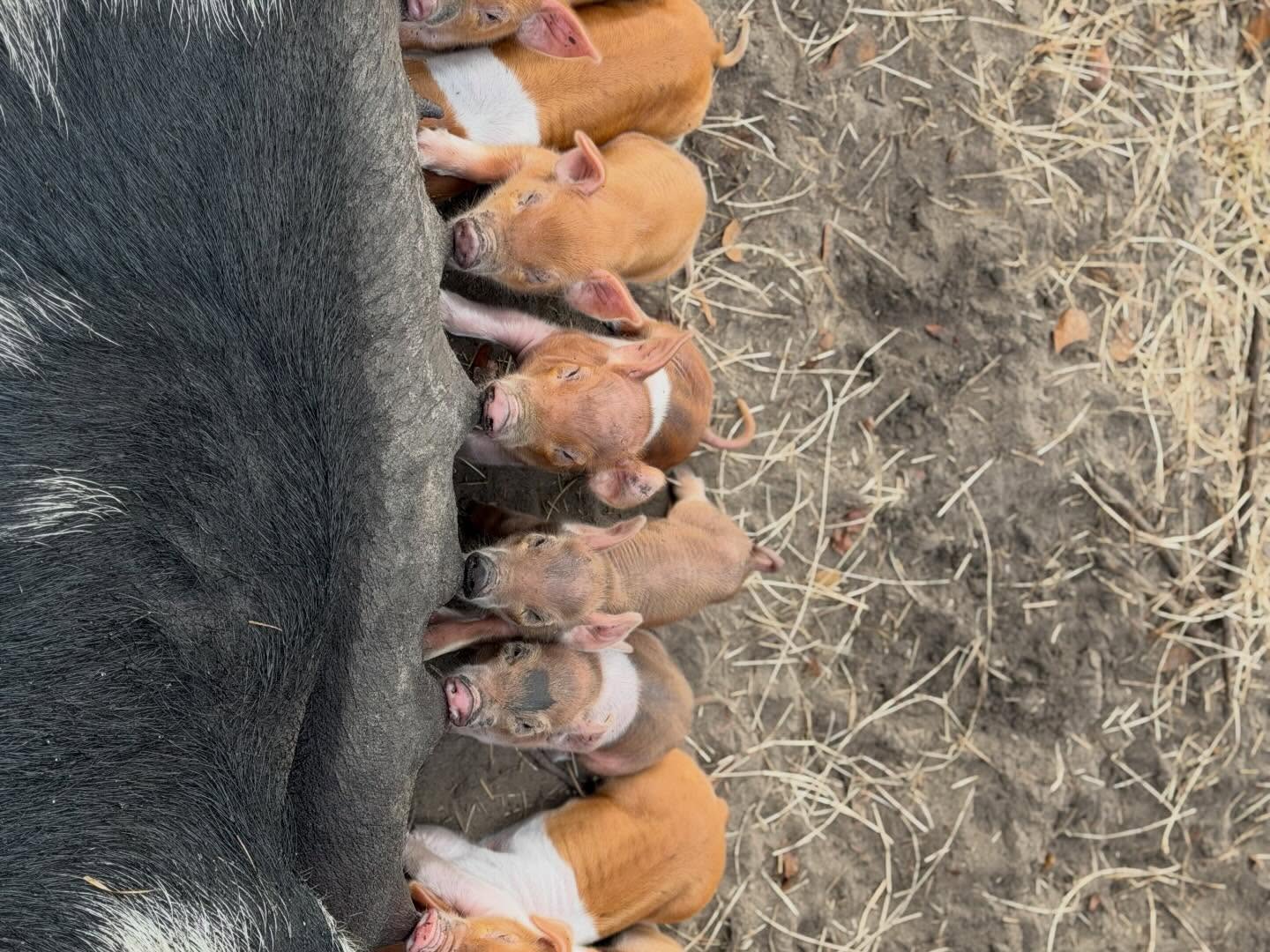
Homestead Highlight: T&W Ranch

This week we’re proud to shine a light on T&W Ranch in Live Oak, Florida – a family-run operation stewarded by the Radwanski family.

Rooted in a legacy that began back in 1991 with Tom and Wanda Cheek (Papa & Mama), T&W Ranch is built on something deeper than farming. They’re carrying forward a commitment to the land, the animals, and the people they serve that was set on a firm foundation of dreams and hard work by the generations before.

At T&W, you’ll find livestock raised the way it should be – out on pasture, living naturally, and managed with care and intention. Their focus on regenerative, ethical practices isn’t just a buzzword… it’s commitment to doing things right, even when it’s not the easiest path.

From pasture-raised beef, chicken, and pork to eggs and raw milk, everything they produce reflects their goal: clean, nutrient-dense food raised with integrity and respect for the land.

But what really stands out is the heart behind it all – a family dedicated to learning, improving, and providing for their community while honoring those who loved the land before them. Operations like T&W Ranch are a reminder of what’s possible when good stewardship meets hard work and purpose.

If you’re not already following along with them, go check them out and show some support 👇

https://twranchfl.com

We’re grateful to be part of a community filled with families like the Radwanskis who are committed to raising food the right way!

General
0

Jul

23

The Power of Fats

Now that we are officially out of winter (at least here in Ohio), how are your animals looking? Do you have some that are lacking condition, have a rough haircoat, or are struggling to meet the demands of their nursing babies? It might be a good time to supplement calories, while we are waiting on that spring flush of grass.


But not all calories are created equal, especially when it comes to supporting livestock through demanding seasons.


There are times when animals need more energy, but simply feeding more grain isn’t always the best answer. Livestock coming out of winter in rough condition, animals in lactation, seniors, or those with poor dentition often benefit from added fat sources instead of increased feed volume.


Why fat?
✔ Energy dense – Fat provides more than 2x the energy of carbohydrates
✔ Low intake, high impact – Ideal for animals that can’t or won’t eat more
✔ Safer than starch – Helps avoid digestive upset tied to excess grain or corn
✔ Supports condition & production – Great for weight gain, milk production, and overall resilience


Instead of pushing more feed or relying heavily on starchy options, adding fat allows you to increase calories without overloading the rumen or digestive system.


At Kraut Creek, we offer practical fat sources you can easily incorporate:

Black Oil Sunflower Seed (BOSS) – A highly palatable, natural fat source that also supports coat and skin health

Flax Seed – Rich in omega-3 fatty acids for anti-inflammatory support, condition, and overall health

Sesame Oil – A concentrated energy source with beneficial fatty acids, easy to top-dress

Soybean Oil – Cost-effective, calorie-dense option for boosting energy intake efficiently

Whether you’re rebuilding condition, supporting heavy producers, or helping older animals maintain weight, adding fat is a simple, effective tool to keep your livestock thriving.


Real nutrition. Practical solutions. Built for working farms.

Animal Health, Feed Livestock
0

Jul

23

When to Switch Chicks from Starter to Grower

A well-managed feeding program is one of the most important foundations of a healthy, productive flock. Chickens have very different nutritional needs as they grow, and adjusting protein and mineral levels at the right time supports proper development, efficient growth, and long-term performance.

Starter feed is designed for rapid early development. In the first weeks of life, chicks are building muscle, organs, feathers, and immune function at an incredible rate. The higher protein level in our original starter (22%) provides the essential amino acids needed for:

  • Strong skeletal and muscle development
  • Feather growth
  • Early immune system support


This phase sets the foundation for the bird’s entire life—cutting protein too early can lead to stunted growth or weaker birds. Our starter feeds are a ground mash, perfectly sized for young chicks, easy to consume and digest.


🕜 Is it time for Grower Feed?
As birds move out of the earliest growth stage, their rate of development begins to stabilize. Our original grower feed lowers protein slightly to 18%, which matches their needs without pushing excessive or inefficient growth.

This phase supports:

  • Steady frame development
  • Continued feathering
  • Balanced, sustainable growth


Reducing protein at the right time helps avoid unnecessary feed costs while still maintaining strong, healthy birds. Protein is not just about growth, it’s about targeted growth.


Too little protein early on can limit development permanently.
Too much protein later is wasteful and can stress the bird’s system.


By gradually stepping down protein levels (22% → 18% → 17%), you’re matching nutrition to the bird’s actual needs at each stage, supporting efficiency, health, and performance. Our grower feeds are most from cracked grains, with a medium size in-between our starter and layer particle sizes. This helps growing birds develop healthy gizzard function while being easier to consume and digest than whole grains.


🦴 Calcium is critical, but only at the right time.
Too early: High calcium levels in young birds can interfere with kidney function and proper skeletal development


Right time: Once hens begin laying, calcium becomes essential for eggshell strength and overall productivity


For this reason, avoid feeding layer rations to chicks or growing birds. Keep calcium levels appropriate to their stage, and only introduce high-calcium feed when birds are close to or actively laying.


⏩ When to Transition Feeds?
Timing matters, and it varies slightly depending on the type of bird:


Standard chickens & heritage broilers:
Transition from starter to grower at 4 weeks of age


Cornish Cross broilers:
Transition earlier, at 2 weeks of age, due to their rapid growth rate


Transition to layer feed:
Move to layer feed when pullets are close to point-of-lay (typically around 16–18 weeks or when the first eggs appear)


Smooth transitions help prevent digestive upset and keep birds eating consistently.


Gradual mixing: Blend feeds over 3–5 days
Day 1–2: 75% old feed / 25% new
Day 3–4: 50/50
Day 5: 25% old / 75% new


Watch intake: Birds should continue eating normally during the switch
Provide fresh water at all times
Avoid sudden changes unless absolutely necessary


Feeding chickens well isn’t complicated, but it is intentional. Matching protein levels, particle size and calcium to each stage of life helps birds grow correctly, stay healthy, and perform the way they’re meant to.


A simple, phase-based feeding program ensures you’re not just blanket feeding birds. You’re building a productive, resilient flock from the ground up with targeted nutrition.

Animal Health, Feed Livestock
0

Jul

23

Homestead Highlight: Our Farm on 60

This week we’re excited to highlight our friends, Mike & Franque Bradshaw and their homestead, Our Farm on 60! Located in Perryville, Arkansas, the Bradshaws are building something special as they continue growing their homestead one step at a time.

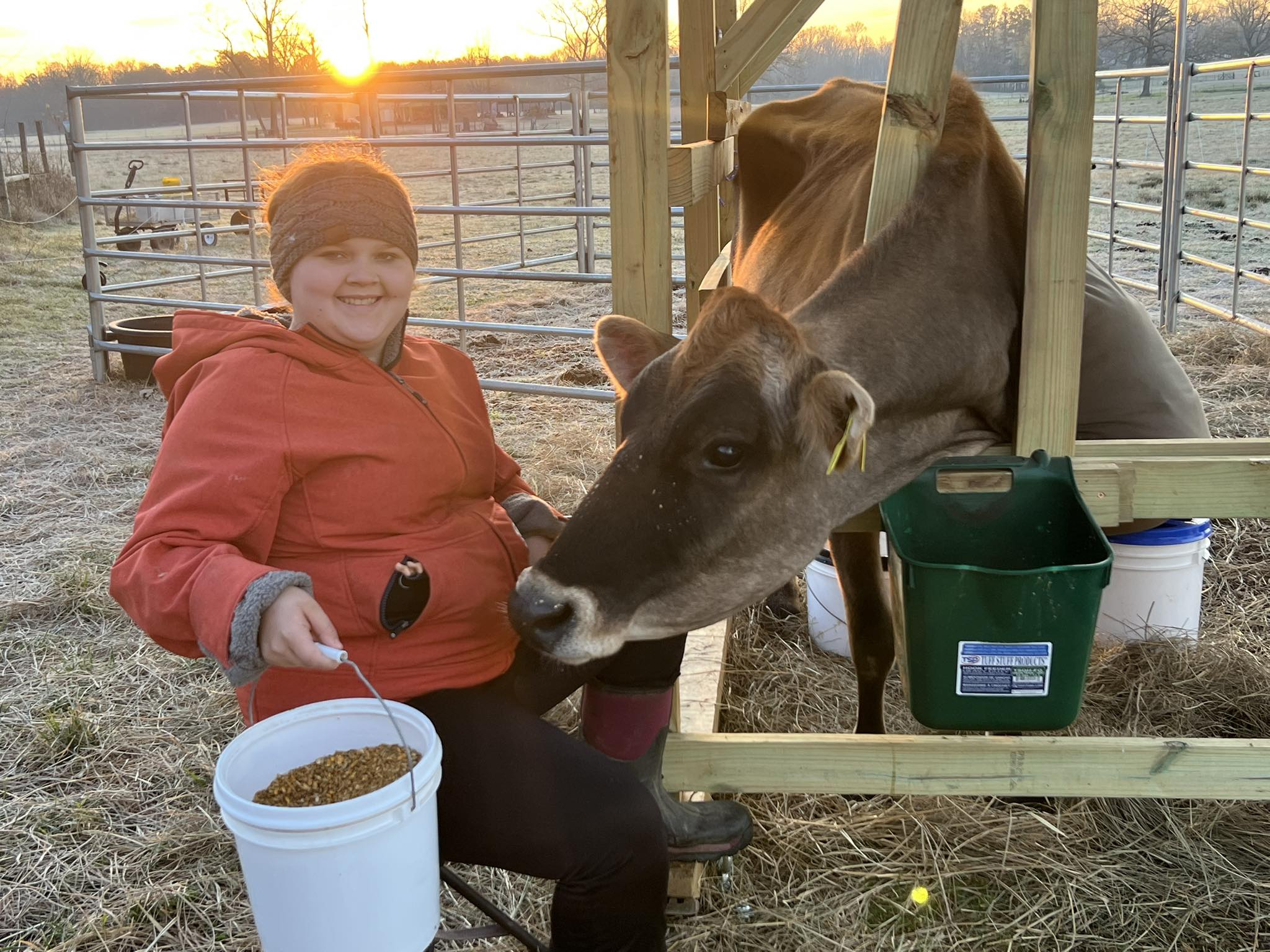
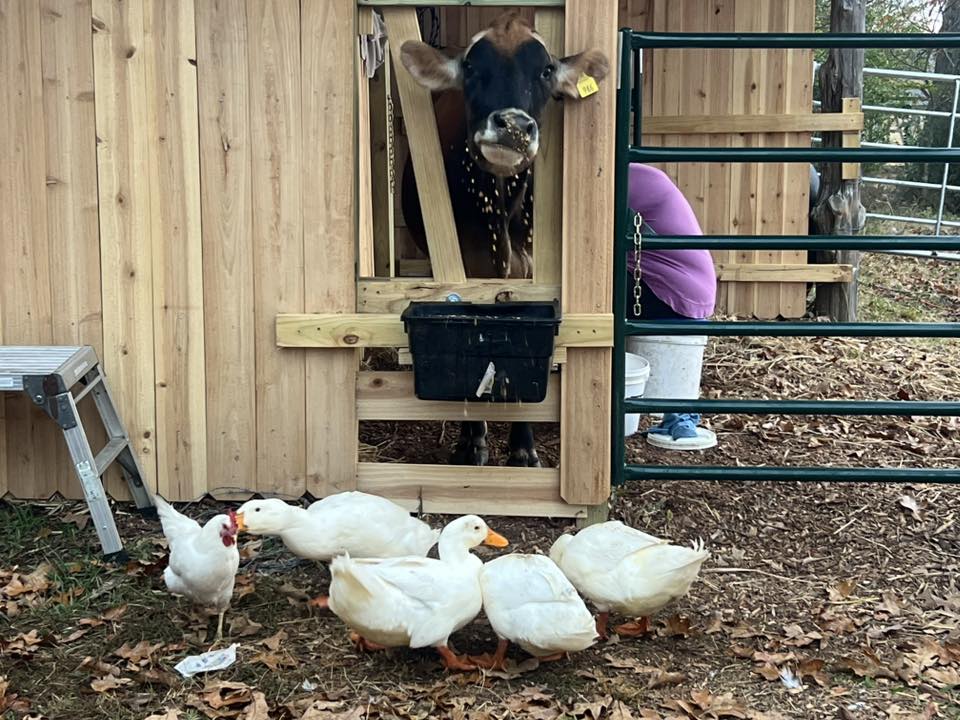
Their farm is home to dairy cows, chickens, ducks and a whole lot of hands-on learning as they expand their operation and keep adding new skills along the way. Like many great homesteads, it’s a constant journey of experimenting, improving, and working with the land and animals every day.

The Bradshaw family has been some of our biggest cheerleaders, and we’re incredibly grateful for their support and enthusiasm for what we do. They host a drop point in Perryville if you are looking for feed near you!

We love seeing farms like theirs thrive and can’t wait to see where their homesteading journey takes them next. 🌱🐄

Give Our Farm on 60 some love!

General, Homestead Living
0

Jul

23

Common Spring Soil Issues & How to Fix Them

As winter fades and we begin planning gardens and pasture growth, early spring is the perfect time to evaluate what your soil actually needs. Months of cold temperatures, snow, and rain can leave soil compacted, mineral-depleted, and biologically sluggish. The good news is that a few simple steps can help wake your soil back up and set the stage for a productive growing season.

Below are some of the most common soil deficiencies and challenges we see each spring—along with simple ways to correct them.


1️⃣ Mineral Depletion After Winter

Heavy winter precipitation often leaches key nutrients from the soil. Calcium, magnesium, potassium, and trace minerals are especially prone to being washed deeper into the soil profile where young plants can’t easily access them.

Mineral-depleted soils tend to show:

Weak or slow early plant growth

Pale or yellowing leaves

Poor root development

Low forage productivity in pastures

Replenishing broad-spectrum minerals early in the season is one of the best investments you can make. Products like Fertrell mineral blends help restore a wide range of trace elements that plants require in small amounts but depend on heavily for healthy growth.

These ocean-derived minerals:

Reintroduce dozens of trace elements

Support stronger plant immune systems

Improve flavor and nutrient density in produce

Help build resilient pasture forage

Applying minerals before planting or just as pasture begins greening up helps ensure plants have what they need from the start.


2️⃣ Low Soil Biology After Cold Weather

Winter slows microbial life dramatically. Beneficial bacteria, fungi, and other organisms that normally break down organic matter and cycle nutrients are often at their lowest levels in early spring.

Without active soil biology:

Nutrients remain “locked up” in the soil

Plants struggle to access fertility

Soil structure breaks down over time

Stimulating soil biology helps bring soil back to life quickly.

Some effective strategies include:

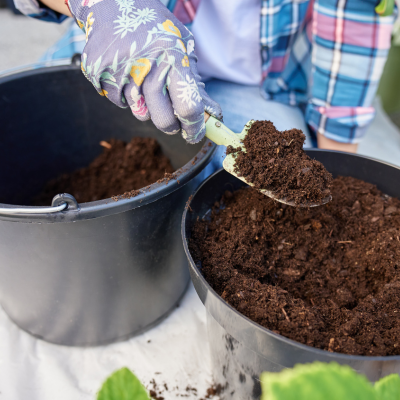
Adding compost or compost-based fertilizers

Applying biological soil amendments

Feeding microbes with organic matter


3️⃣ Compaction from Winter Moisture

Repeated freezing, thawing, and wet conditions can leave soil dense and compacted, especially in gardens that were heavily walked on or pastures with winter livestock traffic.

Compacted soil leads to:

Poor root penetration

Reduced water infiltration

Increased runoff and erosion

Stunted plant growth

Improving soil structure is key.

Helpful approaches include:

Light tilling or broad forking garden beds

Adding organic matter such as compost

Improving mineral balance (especially calcium)

Balanced minerals help soil particles form stable aggregates, which create air pockets for roots, microbes, and water movement.


4️⃣ Poor Early Nitrogen Availability

Nitrogen is the nutrient plants need most for leafy growth, but early spring soils often lack available nitrogen because microbial activity hasn’t ramped up yet.

Symptoms include:

Slow seedling growth

Yellowing leaves

Weak pasture regrowth

Applying a gentle nitrogen source early in the season can help jump-start plant growth while the soil biology catches up.

Organic fertilizers from Fertrell are designed to release nutrients steadily rather than all at once, helping support plants without creating excessive runoff or burn.


5️⃣ Trace Mineral Deficiencies

Many soils—especially those farmed for years—lack critical trace elements such as boron, zinc, copper, and manganese.

Though needed only in small amounts, these minerals play huge roles in:

Flower and fruit development

Plant immunity

Seed germination

Nutritional value of crops

Broad-spectrum mineral amendments are often the easiest way to address trace deficiencies. Applying SEA-90 Soil Mineralizer helps restore a natural ocean-derived mineral balance that plants evolved to thrive in.


🌱 Simple Steps to Start the Season Strong 🌱

If you want to give your garden or pasture the best start possible this spring, focus on these four fundamentals:

1. Test your soil

Knowing your starting point helps guide mineral applications.

2. Replenish trace minerals

Use products like SEA-90 Soil Mineralizer or fertilizer blends from Fertrell.

3. Feed the soil biology

Add compost or biologically friendly fertilizers.

4. Improve soil structure

Reduce compaction and add organic matter.

Healthy soil is the foundation of productive gardens, nutrient-dense food, and resilient pasture forage. Taking a little time to correct common spring deficiencies now can pay dividends all season long.

If you’re not sure what your soil needs, stop in and talk with us—we’re happy to help you choose the right amendments to get your soil and plants thriving this year.

General, Soil Health
0
  • 1
  • 2
  • 3
  • …
  • 5
Kraut Creek Regenerative Ag Supply

Based in west central Ohio, Kraut Creek is a premium Non-GMO feed manufacturer focused on the health of your animals.

Non-GMO Project Logo
AGW Logo, Animal Welfare Approved
Non-GMO Project Logo
AGW Logo, Animal Welfare Approved
About the Company

Our Promise to You

The health of your livestock is important. The premium ingredients found in each Kraut Creek feed bag are formulated without growth hormones or antibiotics to ensure the integrity of our feeds and the health of your animals.

Contact Us

1468 Sater Street
Greenville, Ohio 45331

Open Monday-Friday (8am-4:30pm)

(833) 466-6466
OR 833-4NONGMO

info@krautcreek.com

Follow us on Facebook!

Copyright @ 2023 Kraut Creek, Inc. | Terms & Conditions | Privacy Policy