1468 Sater Street
Greenville, Ohio 45331
Hours of Operation:
Monday - Friday
8am - 4:30pm

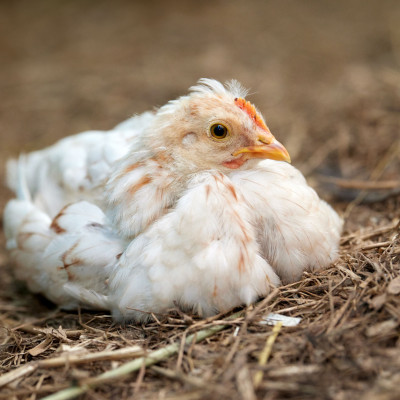
A well-managed feeding program is one of the most important foundations of a healthy, productive flock. Chickens have very different nutritional needs as they grow, and adjusting protein and mineral levels at the right time supports proper development, efficient growth, and long-term performance.
Starter feed is designed for rapid early development. In the first weeks of life, chicks are building muscle, organs, feathers, and immune function at an incredible rate. The higher protein level in our original starter (22%) provides the essential amino acids needed for:
This phase sets the foundation for the bird’s entire life—cutting protein too early can lead to stunted growth or weaker birds. Our starter feeds are a ground mash, perfectly sized for young chicks, easy to consume and digest.
🕜 Is it time for Grower Feed?
As birds move out of the earliest growth stage, their rate of development begins to stabilize. Our original grower feed lowers protein slightly to 18%, which matches their needs without pushing excessive or inefficient growth.
This phase supports:
Reducing protein at the right time helps avoid unnecessary feed costs while still maintaining strong, healthy birds. Protein is not just about growth, it’s about targeted growth.
Too little protein early on can limit development permanently.
Too much protein later is wasteful and can stress the bird’s system.
By gradually stepping down protein levels (22% → 18% → 17%), you’re matching nutrition to the bird’s actual needs at each stage, supporting efficiency, health, and performance. Our grower feeds are most from cracked grains, with a medium size in-between our starter and layer particle sizes. This helps growing birds develop healthy gizzard function while being easier to consume and digest than whole grains.
🦴 Calcium is critical, but only at the right time.
Too early: High calcium levels in young birds can interfere with kidney function and proper skeletal development
Right time: Once hens begin laying, calcium becomes essential for eggshell strength and overall productivity
For this reason, avoid feeding layer rations to chicks or growing birds. Keep calcium levels appropriate to their stage, and only introduce high-calcium feed when birds are close to or actively laying.
⏩ When to Transition Feeds?
Timing matters, and it varies slightly depending on the type of bird:
Standard chickens & heritage broilers:
Transition from starter to grower at 4 weeks of age
Cornish Cross broilers:
Transition earlier, at 2 weeks of age, due to their rapid growth rate
Transition to layer feed:
Move to layer feed when pullets are close to point-of-lay (typically around 16–18 weeks or when the first eggs appear)
Smooth transitions help prevent digestive upset and keep birds eating consistently.
Gradual mixing: Blend feeds over 3–5 days
Day 1–2: 75% old feed / 25% new
Day 3–4: 50/50
Day 5: 25% old / 75% new
Watch intake: Birds should continue eating normally during the switch
Provide fresh water at all times
Avoid sudden changes unless absolutely necessary
Feeding chickens well isn’t complicated, but it is intentional. Matching protein levels, particle size and calcium to each stage of life helps birds grow correctly, stay healthy, and perform the way they’re meant to.
A simple, phase-based feeding program ensures you’re not just blanket feeding birds. You’re building a productive, resilient flock from the ground up with targeted nutrition.