1468 Sater Street
Greenville, Ohio 45331
Hours of Operation:
Monday - Friday
8am - 4:30pm

Fresh Feed Matters More Than You Think 🐔🌾
When it comes to livestock nutrition, freshness isn’t just ideal – it directly impacts performance, health, and how well your animals actually eat.
Over time, feed begins to oxidize. Oxidation is what happens when fats and nutrients in the feed react with oxygen, leading to rancidity, nutrient loss (especially vitamins like A & E), and reduced energy value. In simple terms: the longer feed sits, the less it has to offer.
Animals can tell, too. Poultry in particular are sensitive to stale feed and will often eat less or pick through it, which means lower intake and less consistent nutrition. Fresh feed is more palatable, more aromatic, and more readily consumed.
Grain type also plays a role:
Cracked grains have more surface area exposed to air → faster oxidation → shorter shelf life
Whole grains stay intact longer → better protection of nutrients → extended freshness
According to poultry feed nutritionist Jeff Mattocks, feed is at its peak value shortly after milling, and quality steadily declines from there – especially in mixes containing fats or oils.
The reality is, many commercial feeds can sit in warehouses, on trucks, or on store shelves for weeks to months before ever reaching your farm. And you have no way of knowing how long it’s been there or how much nutrition is actually left.
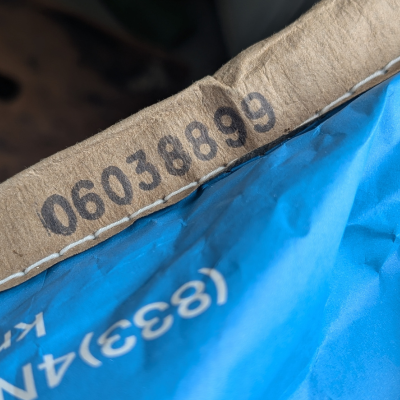
That’s why we mill most of our feeds to-order, and recommend aiming to use feed within 1–2 months of production for maximum freshness and nutritional value. To help with that, all of our bags are clearly tagged with the production date (month & day), so you know exactly how fresh your feed is when it hits your barn.
Because better feed starts with fresher feed!