Kraut Creek Regenerative Ag Supply

Kraut Creek Regenerative Ag Supply

  • Menu
  • Non-GMO Feed
  • Ordering
  • Other Products
  • Dealers
  • Education
    • Articles
  • FAQ
  • Contact
LET’S GET SOCIAL

Kraut Creek Regenerative Ag Supply

  • Contact us

    Contact us today for further info:

    1468 Sater Street
    Greenville, Ohio 45331

    Hours of Operation: 

    Monday - Friday

    8am - 4:30pm

    (833) 466-6466
    OR 833-4NONGMO

    info@krautcreek.com

Contact Us

  • 937.459.0618
  • info@krautcreek.com

Author: Carey Reese

  • Home
  • Author: Carey Reese

Jul

23

Simple Feeding Tip #6: Feed the Individual

🐥 Feed the Animal in Front of You
One of the most common questions we hear is: “Can I just feed one feed to all of my animals?”


Maybe it’s chicks and laying hens.
Growing meat birds and breeding birds.
A mixed sheep and goat herd.
Young goats and mature bucks.


We understand the appeal. One feed is simpler, takes up less storage space, and often seems like it would save money.


But here’s the question we like to ask in return…
Would you feed a toddler, a pregnant mother, a high school athlete, and your grandparents the exact same diet every day? Probably not.


They all eat food, but their nutritional needs are very different. The same is true for livestock. Every life stage has a different job to do.


Animals don’t have different nutrient requirements because feed companies want to sell more products. They have different requirements because their bodies are doing different jobs.


A chick is building bones, muscles, feathers, organs, and an immune system. A laying hen is producing an egg nearly every day, requiring tremendous amounts of calcium, protein, energy, vitamins, and trace minerals. A broiler is growing rapidly and converting feed into muscle. A mature pet rooster? His nutritional needs are dramatically lower than any of those birds.


The same principle applies across nearly every livestock species.
Growing animals need nutrients to build new tissue. Pregnant animals need a different level of nutrients to grow healthy offspring. Lactating animals have some of the highest nutritional demands they’ll ever experience. Mature maintenance animals simply need enough nutrition to maintain body condition and stay healthy.


Feeding everyone the same diet usually means someone is compromising. When one feed has to meet the needs of every animal, one group is usually getting exactly what they need, while another group is getting too much, and another group isn’t getting enough.


That can lead to:

  • Slower growth
  • Reduced egg production
  • Poor body condition
  • Over-conditioned breeding animals
  • Wasted feed
  • Unnecessary supplementation
  • Higher feeding costs

The goal isn’t simply to feed animals, it’s to feed them well.
Tailored nutrition doesn’t have to be complicated.


The good news?
You don’t always need six different feeds.
Sometimes small management changes make a big difference.


If you have the ability, feed different life stages separately, even if it’s only during part of the day.


Use creep feeders so young animals can access higher-protein feed while adults cannot. Provide layer feed only to birds that are actively laying.


Feed breeding stock according to your assessment of their body condition (more on that to come!) rather than filling feeders the same every day.


Sometimes separating animals for just 20–30 minutes during feeding is enough to allow everyone to eat the diet designed for them.


But what if one feed is your only option?
We know that’s reality for many homesteads.
Maybe you only have room for one feeder.
Maybe your flock free-ranges together.
Maybe efficiency & convenience is most important right now.


If you truly need to feed one feed, here are a few guidelines.


Feed for the animals with the highest nutritional demand.
Generally speaking, it’s safer to provide extra nutrition to maintenance animals than it is to ask growing or producing animals to perform on an inadequate diet.


For example:
🐥 If you have chicks and adult birds together temporarily, feeding a quality grower ration is a better choice than feeding a layer ration. You can then provide free-choice oyster shell or aragonite to laying hens so they can consume additional calcium as needed. If the growing chicks were fed only a layer feed, they would consume too much calcium, which actually reduces egg production once they reach maturity.
The goal is to supplement the individuals who need something different, rather than assuming every animal has identical requirements.


Don’t forget the foundation: forage
No matter what species you’re feeding, remember that forage often supplies the majority of an animal’s nutrition.


Good-quality pasture or hay can reduce the need for additional supplementation and make it easier to meet the needs of multiple classes of livestock. When you know the quality of your forage, you can make smarter decisions about which animals truly need extra nutrition and which don’t.


Feed the animal as an individual.
It’s tempting to think of a flock or herd as one group.
Healthy livestock management begins with recognizing that every animal has different nutritional needs depending on its age, stage of production, and purpose.


The best feeding programs aren’t built around what’s easiest for the feed bin. They’re built around what’s best for the animal standing in front of you. Good nutrition doesn’t have to be complicated, it just has to meet the needs of the individual.
Feed Livestock
0

Jul

23

Simple Feeding Tip #5: Watch Your Animals

Watch Your Animals While They Eat
One of the most valuable livestock management tools doesn’t cost a dime.
It simply requires you to slow down and observe your animals.


And yes, we know, most of us have 20 things going on while we are also trying to feed animals and get on to the next thing on the never ending to-do list. But make it a priority, even if it’s just once a week, to grab a cup of coffee and watch.


Whether you have five chickens in the backyard or a herd of cattle on pasture, feeding time is one of the best opportunities you’ll have to spot health problems before they become expensive problems.
Healthy animals are creatures of habit. They usually come to feed with enthusiasm, eat consistently, and behave much the same from day to day.
When that changes, pay attention.


A single animal hanging back, eating more slowly, dropping feed, drinking excessively, or refusing to eat altogether is often telling you something is wrong, sometimes long before obvious symptoms appear.


What should you be looking for?


🐔 Who isn’t excited about breakfast?
Animals that normally rush to feed but suddenly lose interest may be dealing with illness, pain, heat stress, parasites, dental problems, or digestive upset.


🥣 Is everyone getting their fair share?
Watch for timid animals being pushed away by more dominant ones. Sometimes poor body condition isn’t caused by the feed – it’s caused by never getting enough of it.


😬 How are they eating?
Chewing slowly, quidding hay (dropping partially chewed wads), excessive salivation, coughing while eating, or struggling to chew can point to dental issues or mouth injuries, especially in older horses, goats, sheep, and cattle.


🌾 Are they wasting more feed than usual?
Feed suddenly being sorted, scattered, or left behind may indicate the feed or hay has spoiled, become dusty, or simply isn’t as palatable as it should be.


💧 Are they drinking normally?
Water intake and feed intake go hand in hand. A sudden increase or decrease in drinking can be an early clue that something isn’t right.


🐄 Are they eating with a healthy rumen…or a stressed digestive system?
In ruminants, watch for animals that separate themselves, stop chewing their cud, or appear uncomfortable after eating.


The little things matter.
Many illnesses don’t begin with dramatic symptoms, but with subtle changes in behavior.
✔ A hen that gets picked on at the feeder.
✔ A goat that keeps going back to the water trough but isn’t drinking.
✔ A horse leaving grain behind.
✔ A calf that’s slower to the bunk than usual.
✔ A piglet that gives up on eating because he keeps getting pushed from the feeder.


Those small changes can be your first opportunity to intervene before a minor issue becomes a major veterinary bill.


Put down the feed bucket for a minute. Instead of dumping feed and walking away, spend an extra 5–10 minutes simply observing.
Listen.
Watch.
Notice.


Over time, you’ll learn what “normal” looks and sounds like for your animals, and that’s one of the most valuable skills any livestock owner can develop.


Feeding time doesn’t just nourish your animals.
It gives you a daily window into their health.
What are you seeing?

Feed Livestock
0

Jul

23

Simple Feeding Tip #4: Test Your Forage

Test Your Forage…Otherwise You’re Just Guessing!
Yeah, yeah, you’ve heard this so many times. But do you do it regularly? In fact, one of the smartest (and often most overlooked) things you can do is test your forage.


Whether your animals eat hay, fresh pasture, haylage, silage, or fresh browse, forage usually makes up 50–100% of the diet for cattle, sheep, goats, horses, rabbits, and many other livestock. Yet many owners know more about the guaranteed analysis on a bag of feed than they do about the forage their animals eat every day.


Your forage is the foundation of your feeding program.
If you don’t know what’s in it, you’re guessing.
That’s why forage testing is so crucial.
No two hay fields are exactly alike.


Even hay cut from the same field can vary dramatically depending on:

  • Grass and legume species
  • Stage of maturity at harvest
  • Soil fertility and mineral balance
  • Rainfall and drought conditions
  • Harvest timing
  • Storage conditions
  • First cutting versus later cuttings

Research has shown that crude protein in grass hay can range from less than 6% to well over 18%, while energy and mineral levels can vary just as dramatically depending on harvest maturity and growing conditions.


That means two bales that look nearly identical can provide very different nutrition.
The same is true for pasture.


Spring pasture is very different from late-summer pasture. Cool-season grasses differ from warm-season grasses. Rotationally grazed paddocks often differ from continuously grazed areas. Even different parts of the same pasture can vary based on soil type, drainage, fertility, and grazing pressure.


🔹 So what is the cost of guessing, rather than knowing, what’s in your forage?
Many livestock owners try to solve most nutritional concerns by purchasing a new feed, another supplement, new mineral, or adding to the ration.


Low energy? Add grain.
Poor coat? Add oil.
Poor growth? Add protein.
Weak topline? Add amino acids.
Low fertility? Add another mineral.


Sometimes those supplements are exactly what’s needed.
But sometimes they aren’t.


If your forage already contains adequate protein, adding more may do little besides increase feed costs.
If your hay already supplies sufficient calcium, adding more could be detrimental, not helpful.


If your mineral program already provides adequate selenium, or your local soils naturally contain elevated selenium, adding additional selenium could be fatal. Likewise, excessive iron in forage or water (extremely common in most parts of the U.S.) can interfere with the absorption of copper, zinc, and manganese, even when those minerals are present in the diet.


The goal isn’t simply to provide more nutrients.
It’s to provide the right nutrients in the right amounts.
Testing helps you avoid both deficiencies and excesses.


🔹Can you already hear yourself saying “I don’t need to test my hay…”?
Let’s look at some of the most common reasons people skip forage testing.


“I’ve bought hay from the same farmer for years.”
That’s great, but weather changes every year. Rainfall, fertility, harvest timing, and plant maturity can all change the nutritional value of a crop.


“I can tell good hay by looking at it.”
Color, smell, and leafiness tell you a lot about quality and freshness – but they can’t tell you protein, digestible energy, sugar levels, mineral content, or trace element concentrations.


“My animals look healthy.”
Many nutritional imbalances develop slowly. Animals often compensate long before obvious signs appear.


“Testing costs too much.”
A typical forage analysis often costs less than a single bag of premium feed or supplement. The information can save far more than it costs by helping you avoid unnecessary purchases and formulate a more balanced ration.


🔹 Practical ways to evaluate your forage
A laboratory forage analysis is still the gold standard.


Many county Extension offices, feed mills, forage laboratories, and nutrition companies offer affordable testing. The most useful reports typically include:
✔ Dry Matter
✔ Crude Protein
✔ Fiber (ADF & NDF)
✔ Total Digestible Nutrients (TDN) or Relative Feed Value/Quality
✔ Macro minerals (calcium, phosphorus, potassium, magnesium, sulfur)
✔ Trace minerals when needed


If you’re feeding horses or animals with metabolic concerns, you may also want to test for non-structural carbohydrates (NSC), water-soluble carbohydrates (WSC), ethanol-soluble carbohydrates (ESC), and starch.


🔹 What can you do at home?
While nothing replaces a laboratory analysis, you can still learn a great deal by just taking the time to observe your forage.


Ask yourself:
Is it leafy or stemmy?
Does it smell fresh and sweet, or musty and moldy?
Are there weeds or undesirable plants?
Is there excessive dust?
How much do the animals actually leave behind?
Is manure loose, firm, or full of long fiber?
Are animals maintaining body condition, milk production, growth, or topline?


Pasture can also be assessed without expensive equipment.
Simple observation can tell you quite a bit. Walk your pasture. If grass barely covers your boot tops, available forage is becoming limited. If you’re consistently grazing below about 3–4 inches on cool-season grasses, both forage production and pasture recovery begin to suffer.


You can also estimate pasture availability by clipping all the forage inside a known square (such as a 1-foot × 1-foot frame), drying and weighing it, then using published conversion factors to estimate pounds of dry matter per acre. While not perfect, this provides a much better estimate than guessing by eye.


Many universities also provide grazing sticks and pasture rulers that estimate forage mass based on sward height and density – simple tools that can help determine when it’s time to rotate animals or supplement with stored forage.


🔹 Your forage drives your entire feeding program
Every supplement, mineral, grain mix, or concentrate should complement your forage – not compensate for an unknown forage.


When you understand what your pasture or hay already provides, you can:
✔ Feed more precisely
✔ Avoid unnecessary supplements
✔ Reduce feed costs
✔ Prevent nutrient deficiencies
✔ Avoid excessive mineral intake or toxicities
✔ Improve animal health and performance


Even though we are a feed company, we really believe good nutrition doesn’t begin in the feed bin.
It begins in the pasture, the hay field, and the forage your animals consume every single day.
Good feeding doesn’t have to be complicated, it just has to start with knowing what’s already on the menu.


Have you performed a forage analysis and received information that altered your feed program? Share in the comments!

Feed Livestock
0

Jul

23

Simple Feeding Tip #3: Look Beyond Percentages

When comparing feeds, don’t stop at the protein percentage, or even the price tag.


Take a closer look at the ingredient list and ask yourself one simple question:
“What else will I need to buy to make this a complete feeding program?”


It’s easy to compare two bags of feed and assume that as long as the percentages are the same, the cheaper one is the better deal. But most of the time that lower price comes with hidden costs.


Many basic feeds are designed to provide calories and protein, but they may leave you adding extras like:
🧂 Salt
🌊 Kelp
🌱 Extra loose minerals
🥚 Oyster shell for laying hens
🍎 Apple cider vinegar or probiotics for digestive support
💊 Vitamins or extra amino acids to fill nutritional gaps


Before long, that “cheap” feed may cost more than you expected, not just in dollars, but also in the time it takes to measure, mix, and keep all those extra products on hand. That’s not to say those products don’t have value. In fact, many of them can be excellent tools when used intentionally or during times of increased nutritional demand.


But when you’re comparing feeds, make sure you’re comparing the complete feeding program, not just the protein percentage or any one piece of information.


A premium feed often costs more because it includes ingredients and nutrients that would otherwise need to be purchased separately. We use high-quality ingredients, organic mineral sources, and carefully balanced formulations designed to support long-term health and peak performance without the need for “extras”.


Here’s a simple way to compare feeds:
✔ Compare the ingredient list – not just the guaranteed analysis.
✔ Ask what mineral program is recommended alongside the feed, or if it’s included.
✔ Consider whether you’ll need additional ingredients to meet your animals’ needs.
✔ Factor in feed waste, palatability, freshness, and overall animal performance, not just the initial purchase price.


Sometimes the least expensive bag is the most expensive feeding program. Even if it covers the bare basics of your animal’s nutrition, it will often cost you in animal health over the long term. That’s more vet visits, added supplements, or even animal mortality.


Sometimes spending a little more up front saves money later, simplifies chores, and gives your animals more complete nutrition from the very first scoop. That’s what peace on the homestead feels like.
Get the best value from every bite – all in one feeds designed the way nature intended.


💬 When you’re shopping for feed, what matters most to you: price, ingredients, or performance?

Feed Livestock
0

Jul

23

Simple Feeding Tip #2: The Most Important Nutrient

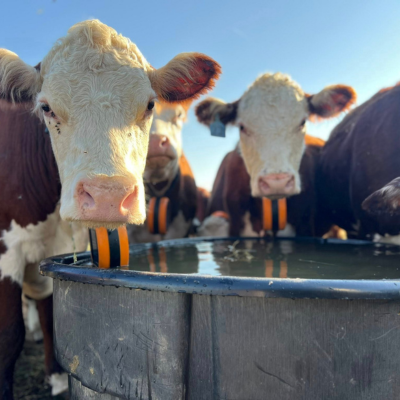
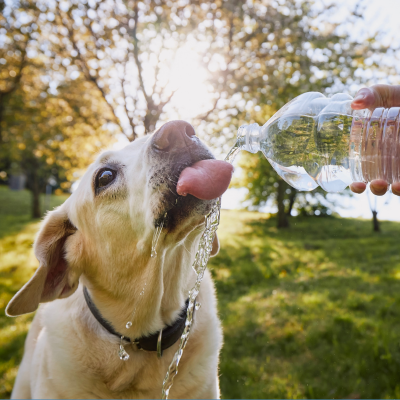
The most important “feed” your animals consume isn’t feed at all. It’s clean, fresh water.

You can buy the highest quality hay, the best feed, and the perfect mineral program, but if animals aren’t drinking enough water, they won’t eat enough feed, digest it as efficiently, or perform to their potential.


Water is involved in nearly every function of the body:
✔ Digestion and nutrient absorption
✔ Milk and egg production
✔ Temperature regulation during hot weather
✔ Muscle function and growth
✔ Healthy circulation and metabolism


Most livestock consume 2 to 5 pounds of water for every pound of dry feed they eat. This can double in extremely hot weather, or during lactation. When water intake drops, feed intake usually follows, especially forage. Fortunately, improving water intake is often simple.


Easy ways to encourage better water consumption:


💧 Clean waterers regularly. Algae, slime, manure, and old feed can make water less appealing – even if it looks “good enough” to us.


💧 Keep water cool in the summer whenever possible. Animals often drink more when water is fresh and not sitting in the hot sun all day.


💧 Check waterers every day. A clogged float valve, frozen line, tipped bucket, or slow leak can quickly become a big problem.


💧 Make sure every animal has access. Dominant animals can prevent timid animals from drinking, especially in smaller pens.


💧 Place water where animals naturally spend time, but away from heavy manure accumulation to help keep it cleaner.


💧 Keep quality salt available at all times. This naturally encourages water intake, and helps the animal balance their electrolytes.


💧 During periods of heat stress, illness, travel, or other stressful events, consider adding an electrolyte, a little molasses, or a hydration supplement to encourage water intake and replace lost minerals.


If you want to improve feed efficiency, animal performance, and overall health, don’t just look at the feed. Start with the water.


When animals drink well, they usually eat well, and that’s where good nutrition begins.


💬 What’s your favorite trick for keeping water clean and encouraging animals to drink more during the summer?

Animal Health, General
0

Jul

23

Helping Your Animals Beat the Heat

🌡️ Holy smokes it’s hot this week!


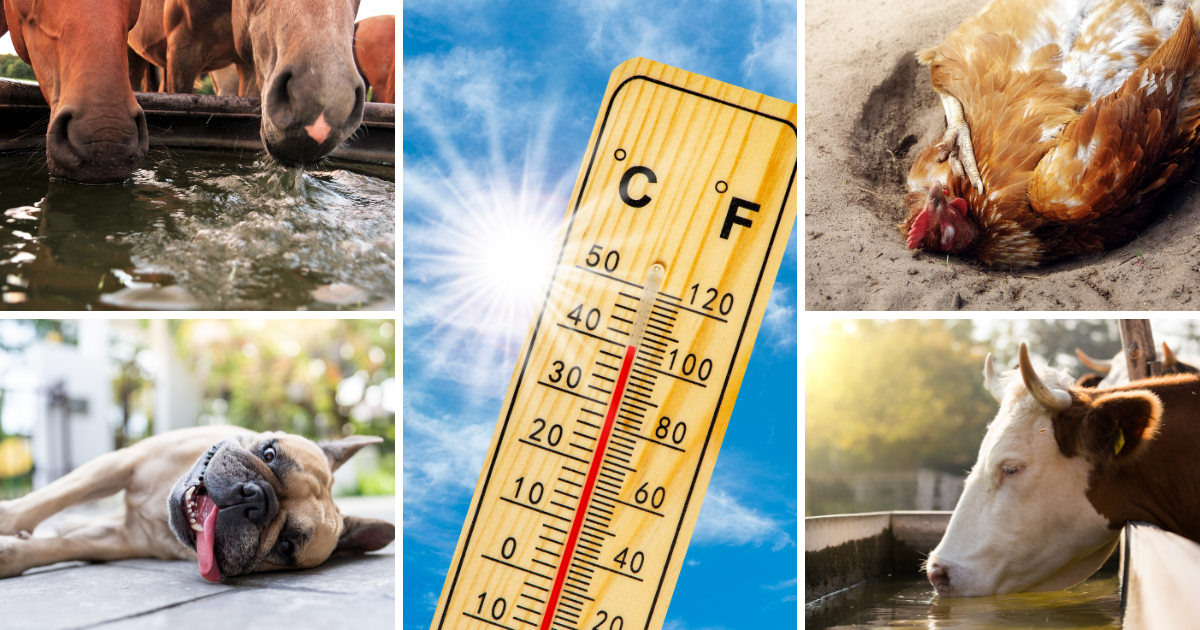
Hot Weather Is Hard on Livestock. Here’s How to Help Them Beat the Heat


When temperatures climb, your animals work overtime to stay cool. Heat stress doesn’t just make them uncomfortable, it can reduce feed intake, slow growth, decrease milk and egg production, impact fertility, and in severe cases, become life-threatening.


A few simple management changes can make a big difference:


💧 Fresh, cool water is non-negotiable. Check waterers several times a day, scrub algae regularly, and remember that animals can drink 2-3 times more water during hot weather.


🧂 Replace the minerals they’re losing. Animals sweat, pant, and lose valuable electrolytes in the heat. Offering a quality free-choice mineral and natural mineral salt helps replenish what they’re losing and encourages healthy water intake.


🐔 Give poultry an extra hydration boost. Chickens don’t sweat, they cool themselves by panting, which causes them to lose moisture and electrolytes. Fertrell’s Simple 6 Poultry Hydration Booster is an easy way to support hydration during stretches of extreme heat.


🍯 Provide quick energy without increasing heat load. A little molasses in the ration or water (when appropriate) can encourage intake while supplying potassium and readily available energy for stressed animals.


🌿 Support animals under extra stress. During periods of extreme heat, transportation, weaning, or other challenges, TurboBoost360 can help support normal digestive function and overall resilience.


🌳 Shade makes a difference. Whether it’s trees, a run-in shed, or shade cloth, every species benefits from relief from direct afternoon sun.


🌬️ Keep the air moving. Fans in barns, open windows, and good ventilation help remove heat and humidity. For rabbits especially, airflow can be the difference between thriving and dangerous heat stress.


🥕 Feed smart. Animals naturally eat less when they’re hot. Offering fresh feed during the cooler morning or evening hours often encourages better intake. Fresh feed is also more palatable – and during summer, it’s another reason we recommend buying only what you’ll use in the next few weeks.


Heat waves don’t have to mean struggling livestock. With plenty of fresh water, balanced minerals, good ventilation, and a few simple management practices, your chickens, cattle, sheep, goats, horses, rabbits, and other livestock can stay healthier and more comfortable all summer long.


What are your favorite tricks for keeping your animals cool? Share them below, we’re always looking for good ideas!

Feed Livestock
0

Jul

23

The Nose Knows!

At a recent event, a gentleman came up and asked if we minded that he smelled our feed samples. I said, “Of course not, that’s why it’s there”.


In fact, I was glad he took the time to smell our feed, why?
👃 The nose knows!


When was the last time you stopped and really sniffed your animal feed?
It might sound strange, but your animals do it every day.


Fresh feed should smell sweet, clean, and alive. You can often pick up the aroma of whole grains, roasted ingredients, and natural oils. As feed ages, those aromas fade. Fats begin to oxidize, nutrients slowly degrade, and the feed becomes less appealing to the animals eating it.


Why does that matter?
Because animals are naturally drawn to fresh, palatable feed. Their nose is the first signal for what they should or should not be eating. Feed that smells and tastes good encourages hearty, consistent intake, which supports better growth, body condition, egg production, milk production, and overall health.


Think about it this way: would you rather eat a fresh baked loaf of bread or one that’s been sitting on the shelf for weeks? How different do those two loaves smell?
Your chickens, horses, goats, pigs, and cattle feel the same way.


That’s one reason we’re passionate about producing fresh feed and clearly dating our bags. Feed isn’t meant to sit in a warehouse indefinitely. The closer it is to the day it was made, the more enjoyable it is for your animals, and the more nutritional value they’ll to receive.


Next time you open a bag of feed, take a moment and smell it.
Your nose might tell you more than the label ever could.

Feed Livestock
0

Jul

23

Simple Feeding Tip #1: Feed Off the Ground

We are excited to introduce this new series sharing simple and practical feeding tips. Good feeding practices don’t have to be complicated, but they are important to the health of your animal and the effectiveness of your feed.


Simple Feeding Tip #1: Feed Off the Ground


One of the easiest ways to improve animal health, reduce feed waste, and stretch your feed budget is to keep feed off the ground whenever possible.


Why does it matter?
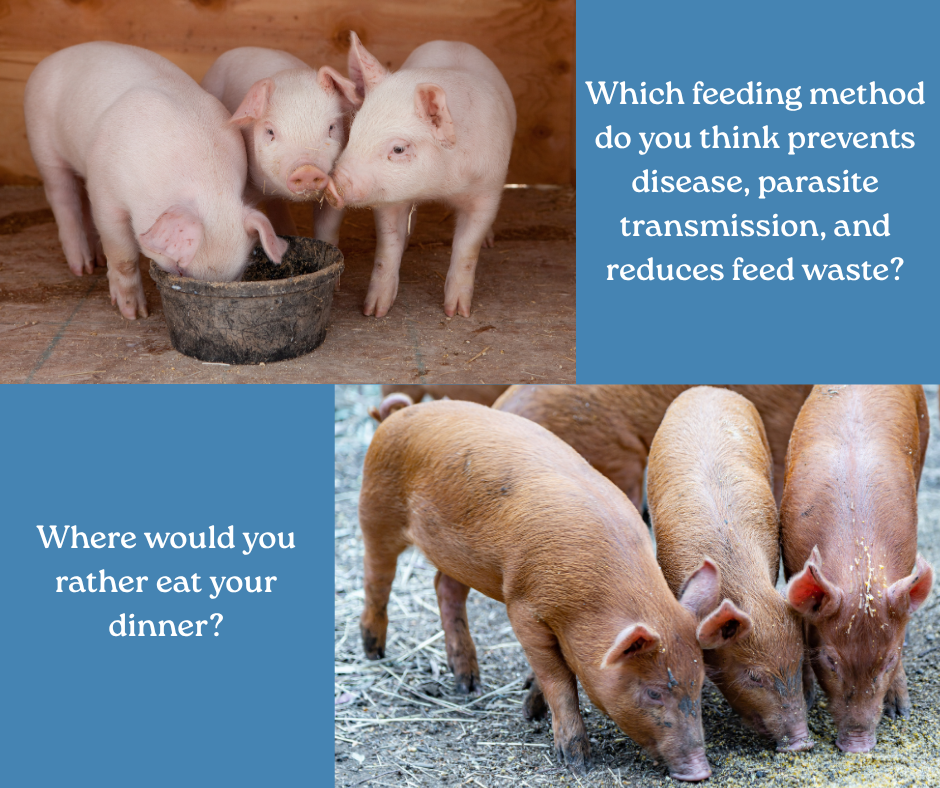
Many of the most common livestock parasites and disease organisms are transmitted through the fecal-oral route. In simple terms, animals become exposed when feed or water comes into contact with manure. Every time feed is dropped onto a muddy lot, manure-covered bedding, or a heavily trafficked feeding area, the risk of contamination increases.


Feeding off the ground can help:
✔ Reduce feed waste
✔ Keep feed cleaner and more appetizing
✔ Reduce manure contamination
✔ Lower parasite exposure pressure
✔ Improve feed efficiency
✔ Keep feeding areas drier and easier to manage


And the savings can be significant. Research has shown that feeding hay (as an example) without a feeder can result in over 50% waste, while well-designed feeders can reduce losses to single digits.


Simple ways to keep feed off the ground:

  • Use feeders, bunks, troughs, hay rings, racks, or feed pans.
  • Hay nets are great for containing forage for animals without horns
  • Place feeders on a gravel pad, concrete surface, rubber mat, geotextile pad, or other well-drained area.
  • Set feed pans or mineral feeders on pallets or another raised surface to keep them out of mud and standing water.
  • Use over the fence buckets or large mineral feeders with a cover for minerals and salt blocks to keep them clean and prevent contamination.
  • Secure feeders and pans to prevent nosy or pushy animals from tipping them over and spilling feed on the ground.
  • Create a designated feeding area in a remote spot rather than feeding directly in your high-traffic areas.
  • Move portable feeders regularly to prevent manure buildup and muddy conditions.
  • Use feeders that catch dropped feed or forage instead of allowing it to fall onto the ground.
  • For pasture-based systems, avoid repeatedly feeding in the same location as much as possible.

Whether you’re grass-fed, conventionally fed, or raising a few animals in the backyard, keeping feed cleaner is one of the simplest management changes you can make.


Nothing is getting cheaper these days. Better feeding is about wasting less of the feed you already have, to help your dollar go further. Your animals will be healthier too!

What’s your favorite trick for feeding off the ground and reducing feed waste? Share a photo of your feed setup below!

Animal Health, General
0

Jul

23

Family Resilience: Why a Dual-Purpose Flock Should be your First Step

In today’s uncertain economy, more families are looking for practical ways to stretch their budgets, improve food security, and become less dependent on fragile supply chains. One of the simplest and most rewarding ways to do that is by keeping a dual purpose chicken flock. Unlike specialized commercial breeds that are designed only for egg production or only for meat production, dual purpose birds are exactly what their name implies: chickens that can provide both. Hens lay a steady supply of eggs for the family, while excess roosters and older hens can also contribute quality meat to the table. For many homesteaders and backyard chicken keepers, this creates a more sustainable and self-sufficient system.


Over the last several years, many people have experienced firsthand how vulnerable the food system can be. Rising grocery prices, hatchery shortages, bird diseases, and shipping delays have made families realize how dependent they are on outside systems. A dual purpose flock offers a way to reclaim some independence.


Instead of relying on a hatchery every spring to replace production birds, a healthy dual purpose flock can reproduce naturally year after year. Families can hatch their own meat chicks, raise replacement pullets, and maintain their flock long-term. This reduces dependence on outside suppliers while preserving valuable genetics that work well in your environment and management style – something a hatchery cannot reproduce.


A self-sustaining flock also teaches important skills that many families are working hard to recover: incubation, brooding, selective breeding, culling, pasture management, and food preservation. These are practical, real-world skills that strengthen both households and communities.


Modern commercial laying breeds are excellent at producing large numbers of eggs, but they were never designed to sustain themselves naturally over many years. Dual purpose breeds, on the other hand, often offer greater hardiness, better foraging ability, stronger mothering instincts, and improved adaptability to pasture-based or backyard systems.


Popular dual purpose breeds such as Plymouth Rocks, Orpingtons, Australorps, Wyandottes, and Rhode Island Reds can thrive in a wide variety of settings. Many families appreciate their calm temperaments, cold hardiness, and ability to convert pasture, bugs, and kitchen scraps into valuable food. If you are looking for the best in heritage dual purpose birds, the America Bresse is hard to beat. In difficult economic times, every bit of efficiency counts. Now might be the time to convert your flock into more than a hobby or laying flock, but a meaningful part of your household resilience.


One important thing to remember is that a reproductive dual purpose flock often has different nutritional needs than a standard laying flock. Producing fertile eggs, maintaining strong hatchability, supporting healthy rooster fertility, and developing vigorous chicks all place additional demands on the birds. Breeding animals require higher overall nutritional support because they are not only maintaining themselves and producing eggs, they are also creating the next generation.


Key nutrients such as quality protein, balanced amino acids, vitamins, trace minerals, and healthy fats all play important roles in reproductive performance and chick vitality. Birds that are expected to breed naturally and raise strong offspring often benefit from more nutrient-dense feeding programs than flocks managed solely for table egg production. For homesteaders seeking true sustainability, nutrition becomes one of the most important investments you can make in the long-term health and productivity of your flock.


Keeping dual purpose chickens is building a system that helps families become more capable, more resilient, and more connected to their food. A carefully managed flock can provide nourishment, education, and security for years to come. In a world where so much feels uncertain, there is something deeply valuable about gathering eggs from your own hens, hatching chicks from your own breeding stock, and knowing your family is capable of producing real food with your own hands.
These days, that peace of mind may be the greatest benefit of all.


We are proud to carry a full line of feed designed specifically for the needs of a dual purpose flock, with supercharged nutrition and extra vitamins & minerals to support reproduction or growth. Ask about our “Dual-Purpose” feeds today.

Feed Livestock, General
0

Jul

23

Garlic & The Importance of Summer Fly Control

Flies are more than just a nuisance around the farm – heavy fly pressure can have a real impact on livestock health, comfort, and performance. 🪰


When animals are constantly fighting flies, they spend less time eating and resting and more time stressed and irritated. Excessive fly pressure has been shown to reduce weight gain, lower feed efficiency, decrease milk production, and negatively affect overall animal well-being. In severe cases, flies can even contribute to disease transmission and infections.


Good fly control starts with a combination of management practices and nutritional support. A few simple ways to help reduce flies around your property include:
✔️ Keep manure and wet bedding cleaned up regularly
✔️ Eliminate standing water whenever possible
✔️ Improve airflow in barns and shelters
✔️ Keep feed storage areas clean and dry
✔️ Use mineral and feed additives that support natural fly control, and start early!


We carry several products that can help support your fly control program this season:

Redmond 10 Fine Salt with Garlic – now available in both loose mineral and block form!

Riomax tubs with Repel (garlic) or FlyBye (IGR for high fly pressure)

Fertrell Fly Aside – available in both dry feed-through and liquid concentrate options


Most of these products contain garlic as a natural method of fly control, and it really does work!

🧄 Garlic – The Real MVP on the Summer Homestead
Garlic isn’t just helpful during fly season – it has been used for generations as a natural support tool for livestock health on the homestead. While it’s not a replacement for proper nutrition or veterinary care, garlic can offer several potential benefits when included as part of a balanced feeding program:

  • Supports natural fly resistance by helping make animals less attractive to biting insects
  • Encourages appetite in some animals during heat stress or seasonal changes
  • Provides sulfur compounds and trace nutrients that support overall wellness
  • May help support respiratory health during dusty or damp conditions
  • Supports circulation and immune function through naturally occurring compounds like allicin
  • Can help promote healthier skin and coat condition in some livestock species

Many homesteaders appreciate garlic because it fits well into a more natural management approach, especially when combined with clean housing, quality feed, fresh water, and strong mineral programs.
Garlic products are commonly used with cattle, goats, sheep, poultry, and horses – especially during the warmer months when insect pressure is high.


As with any supplement, consistency matters. Garlic tends to work best when fed regularly over time rather than as a one-time treatment.


So how does garlic work to reduce fly pressure, specifically?
When livestock consume garlic through mineral or feed supplements, the natural sulfur compounds are absorbed and released through the skin and breath. That creates a scent flies don’t like, helping make animals less attractive to biting pests.


Research continues to support what many producers have noticed in the field. A Saskatchewan field study highlighted by Redmond Agriculture found cattle receiving garlic mineral had roughly 55% fewer flies compared to control groups, along with noticeably less fly-avoidance behavior.


Garlic can be a great natural tool for reducing fly pressure, especially when started early in the season and paired with good pasture management. For severe infestations, some producers also use an IGR (Insect Growth Regulator) as part of a broader fly control strategy. Unlike repellents, IGRs work by interrupting the fly life cycle in manure, helping prevent larvae from developing into adult flies.


No single method is perfect on its own – but combining nutrition, sanitation, garlic-based products, and when needed an IGR program can make a huge difference in animal comfort and performance through the summer months.


A strong fly control program helps keep animals more comfortable, supports better production and growth, and makes chore time a little more enjoyable for everyone. Stop by the warehouse if you’d like help choosing the best option for your herd or flock this summer! ☀️

Feed Livestock, General
0
  • 1
  • 2
  • …
  • 5
Kraut Creek Regenerative Ag Supply

Based in west central Ohio, Kraut Creek is a premium Non-GMO feed manufacturer focused on the health of your animals.

Non-GMO Project Logo
AGW Logo, Animal Welfare Approved
Non-GMO Project Logo
AGW Logo, Animal Welfare Approved
About the Company

Our Promise to You

The health of your livestock is important. The premium ingredients found in each Kraut Creek feed bag are formulated without growth hormones or antibiotics to ensure the integrity of our feeds and the health of your animals.

Contact Us

1468 Sater Street
Greenville, Ohio 45331

Open Monday-Friday (8am-4:30pm)

(833) 466-6466
OR 833-4NONGMO

info@krautcreek.com

Follow us on Facebook!

Copyright @ 2023 Kraut Creek, Inc. | Terms & Conditions | Privacy Policy