1468 Sater Street
Greenville, Ohio 45331
Hours of Operation:
Monday - Friday
8am - 4:30pm

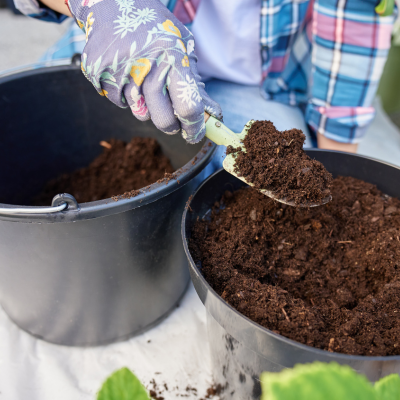
As winter fades and we begin planning gardens and pasture growth, early spring is the perfect time to evaluate what your soil actually needs. Months of cold temperatures, snow, and rain can leave soil compacted, mineral-depleted, and biologically sluggish. The good news is that a few simple steps can help wake your soil back up and set the stage for a productive growing season.
Below are some of the most common soil deficiencies and challenges we see each spring—along with simple ways to correct them.
1️⃣ Mineral Depletion After Winter
Heavy winter precipitation often leaches key nutrients from the soil. Calcium, magnesium, potassium, and trace minerals are especially prone to being washed deeper into the soil profile where young plants can’t easily access them.
Mineral-depleted soils tend to show:
Weak or slow early plant growth
Pale or yellowing leaves
Poor root development
Low forage productivity in pastures
Replenishing broad-spectrum minerals early in the season is one of the best investments you can make. Products like Fertrell mineral blends help restore a wide range of trace elements that plants require in small amounts but depend on heavily for healthy growth.
These ocean-derived minerals:
Reintroduce dozens of trace elements
Support stronger plant immune systems
Improve flavor and nutrient density in produce
Help build resilient pasture forage
Applying minerals before planting or just as pasture begins greening up helps ensure plants have what they need from the start.
2️⃣ Low Soil Biology After Cold Weather
Winter slows microbial life dramatically. Beneficial bacteria, fungi, and other organisms that normally break down organic matter and cycle nutrients are often at their lowest levels in early spring.
Without active soil biology:
Nutrients remain “locked up” in the soil
Plants struggle to access fertility
Soil structure breaks down over time
Stimulating soil biology helps bring soil back to life quickly.
Some effective strategies include:
Adding compost or compost-based fertilizers
Applying biological soil amendments
Feeding microbes with organic matter
3️⃣ Compaction from Winter Moisture
Repeated freezing, thawing, and wet conditions can leave soil dense and compacted, especially in gardens that were heavily walked on or pastures with winter livestock traffic.
Compacted soil leads to:
Poor root penetration
Reduced water infiltration
Increased runoff and erosion
Stunted plant growth
Improving soil structure is key.
Helpful approaches include:
Light tilling or broad forking garden beds
Adding organic matter such as compost
Improving mineral balance (especially calcium)
Balanced minerals help soil particles form stable aggregates, which create air pockets for roots, microbes, and water movement.
4️⃣ Poor Early Nitrogen Availability
Nitrogen is the nutrient plants need most for leafy growth, but early spring soils often lack available nitrogen because microbial activity hasn’t ramped up yet.
Symptoms include:
Slow seedling growth
Yellowing leaves
Weak pasture regrowth
Applying a gentle nitrogen source early in the season can help jump-start plant growth while the soil biology catches up.
Organic fertilizers from Fertrell are designed to release nutrients steadily rather than all at once, helping support plants without creating excessive runoff or burn.
5️⃣ Trace Mineral Deficiencies
Many soils—especially those farmed for years—lack critical trace elements such as boron, zinc, copper, and manganese.
Though needed only in small amounts, these minerals play huge roles in:
Flower and fruit development
Plant immunity
Seed germination
Nutritional value of crops
Broad-spectrum mineral amendments are often the easiest way to address trace deficiencies. Applying SEA-90 Soil Mineralizer helps restore a natural ocean-derived mineral balance that plants evolved to thrive in.
 Simple Steps to Start the Season Strong
If you want to give your garden or pasture the best start possible this spring, focus on these four fundamentals:
1. Test your soil
Knowing your starting point helps guide mineral applications.
2. Replenish trace minerals
Use products like SEA-90 Soil Mineralizer or fertilizer blends from Fertrell.
3. Feed the soil biology
Add compost or biologically friendly fertilizers.
4. Improve soil structure
Reduce compaction and add organic matter.
Healthy soil is the foundation of productive gardens, nutrient-dense food, and resilient pasture forage. Taking a little time to correct common spring deficiencies now can pay dividends all season long.
If you’re not sure what your soil needs, stop in and talk with us—we’re happy to help you choose the right amendments to get your soil and plants thriving this year.