Kraut Creek Regenerative Ag Supply

Kraut Creek Regenerative Ag Supply

  • Menu
  • Non-GMO Feed
  • Ordering
  • Other Products
  • Dealers
  • Education
    • Articles
  • FAQ
  • Contact
LET’S GET SOCIAL

Kraut Creek Regenerative Ag Supply

  • Contact us

    Contact us today for further info:

    1468 Sater Street
    Greenville, Ohio 45331

    Hours of Operation: 

    Monday - Friday

    8am - 4:30pm

    (833) 466-6466
    OR 833-4NONGMO

    info@krautcreek.com

Contact Us

  • 937.459.0618
  • info@krautcreek.com

Author: Carey Reese (Page 5)

  • Home
  • Author: Carey Reese
  •  (Page 5)

Oct

13

Homestead Highlight: Vincent Cattle Farm

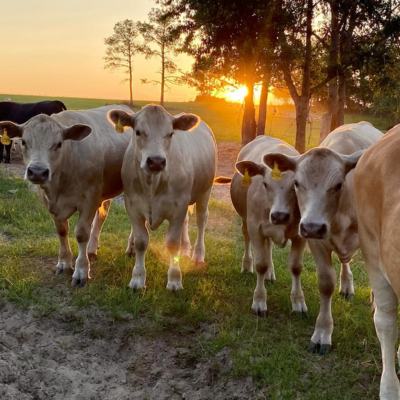
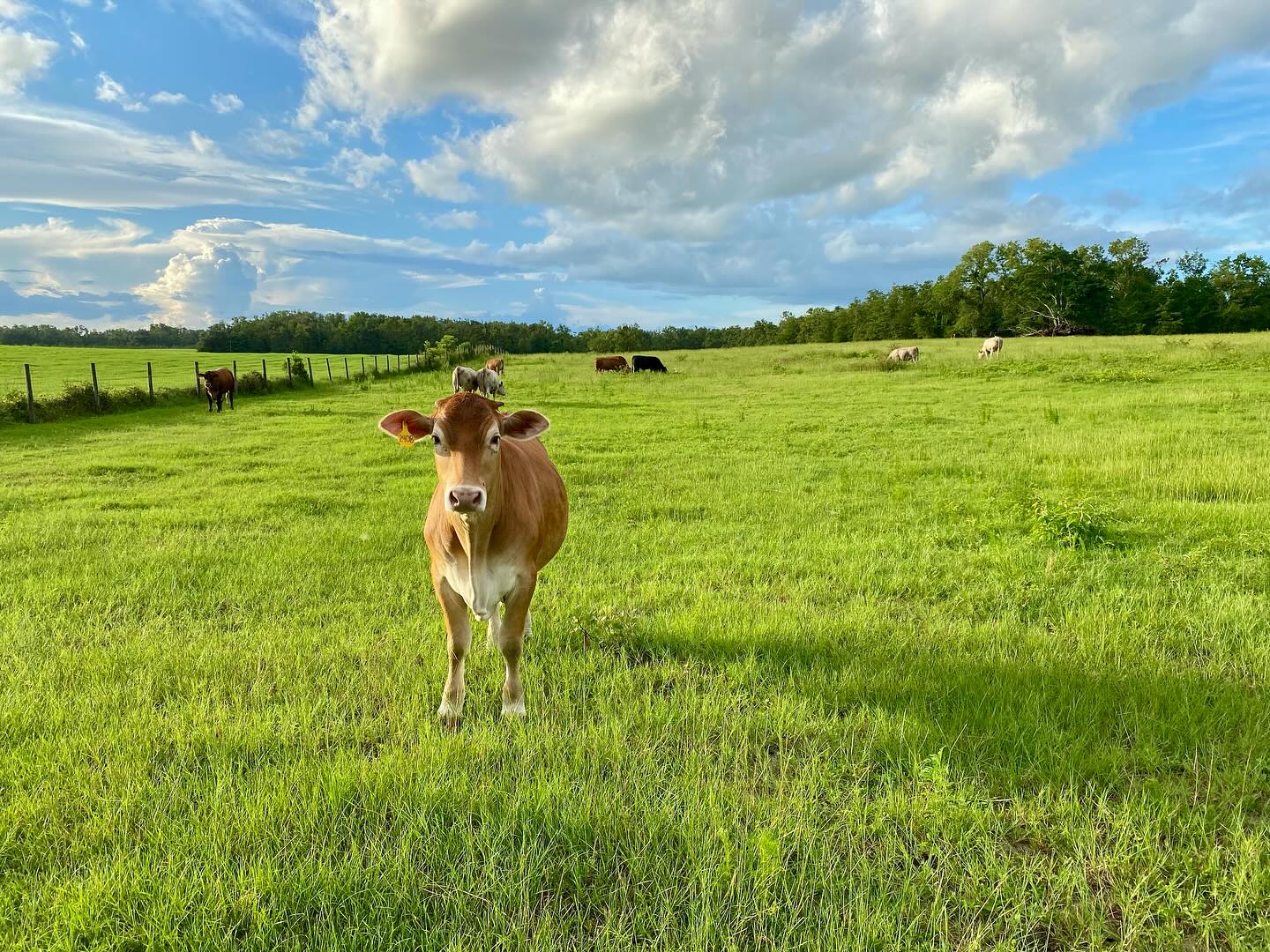
Today we are proud to feature Vincent Cattle Co., a regenerative, family‑run beef farm in North Florida that’s leading the way in sustainable agriculture. Rooted in regenerative practices, they prioritize holistic animal health, and pasture vitality—raising their cattle with care and integrity.

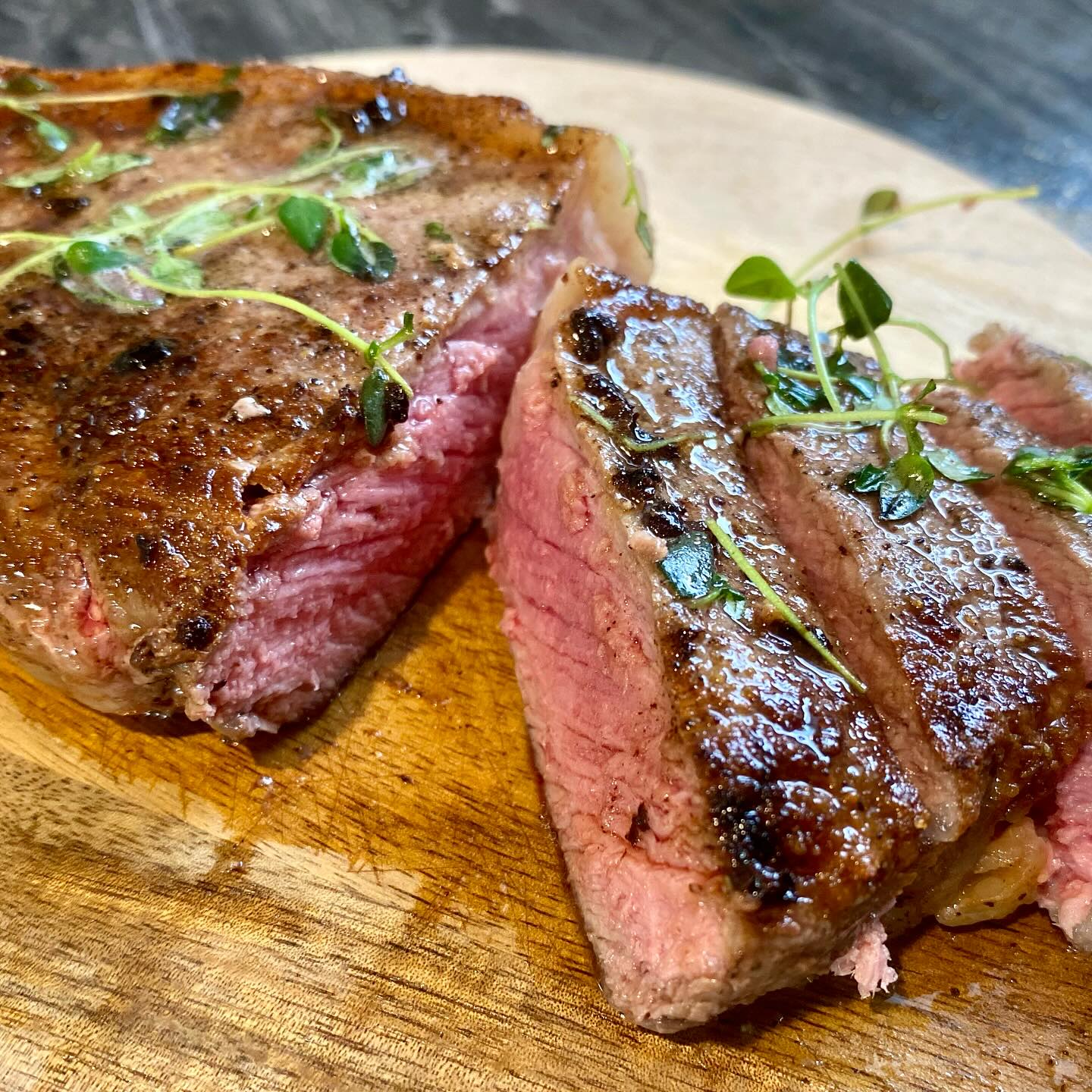
What makes their approach stand out? Their cattle are raised on pasture but thoughtfully supplemented with our non‑GMO beef feed. This ensures animals are nourished without compromising shared values around transparency and purity. Vincent Cattle Co. is also committed to raising their animals without antibiotics, growth hormones, and vaccines, leaning into truly holistic farming that enriches the land and supports long-term animal health. This means truly safe, nutrient dense meat for their family & community!

Thank you, Vincent Cattle Co., for everything you’re doing to nurture the land, elevate cattle farming, and support the regenerative future. We are happy to be part of your journey! 🌱🐄

Learn more about them here:

https://www.vincentcattle.com/

General
0

Oct

13

Corn & Soy in Livestock Feed: Why Some Farmers Want Alternatives

Corn and soybeans have long been the cornerstone ingredients in commercial livestock feed—and for good reason. Both are affordable, widely available, and nutritionally dense. However, a growing number of farmers and homesteaders are choosing to move away from these staples, opting instead for corn- and soy-free rations. Understanding both sides of this debate can help livestock owners make informed decisions based on the needs of their animals, land, and values.

Corn and soy are widely used in livestock diets because they provide key nutritional building blocks:

🌽 Corn is energy-dense and high in carbohydrates, making it a cost-effective way to fuel growth and weight gain in animals like poultry, pigs, and cattle.

🫛 Soy is one of the most efficient plant-based protein sources, offering a balanced amino acid profile that supports muscle development, milk production, and egg laying. It is one of the only plant-based proteins with a complete amino acid profile.

Beyond nutrition, these crops are mass-produced and easily sourced, which helps keep feed prices relatively low and consistent across the industry. Their use also supports predictable performance in commercial farming environments.

Despite the benefits, there are several reasons why some producers and homesteaders are shifting away from corn- and soy-based feeds:

1. Allergies and Sensitivities

Some animals, particularly poultry, may exhibit allergic reactions or digestive issues when fed diets heavy in soy or corn. Eliminating these ingredients can help improve overall health, digestion, and feather condition.

Beyond the animal, there has been some concern about the persistence of certain grain proteins or chemicals in the by-products of animals who are fed those grains. For example, the concern is that someone with a gluten sensitivity may react to meat or eggs from poultry that is fed a diet containing wheat. If we unpack that with science, there is no strong scientific evidence that people with food sensitivities to corn, gluten, or soy will react to meat from animals fed those grains. Studies show that muscle meat does not retain feed proteins in a form that would typically trigger a reaction in sensitive individuals.

However, here are a few important points to consider:

*Milk and eggs are more likely to carry trace proteins.

*Highly sensitive individuals or those with true allergies may wish to avoid products from animals fed those ingredients, just to be safe.

*Personal experience and symptom tracking are often the best guide for those with complex sensitivities.

The jury is still out whether these grains themselves are to blame for food sensitivities, or if it is the chemicals added to them in commercial agriculture that is the cause. But the avoidance of corn and soy in your animal’s feed by individuals with sensitivities can offer peace of mind in consuming their products.  

2. Non-GMO and Organic Preferences

Most conventional corn and soy in the U.S. are genetically modified (GMO). For those committed to organic or regenerative farming practices, feeding non-GMO or organic alternatives is often a higher priority—even if they come at a higher cost. All Kraut Creek premium feeds, whether corn/soy free or not, are verified non-GMO.

3. Balanced Nutrition from Alternative Sources

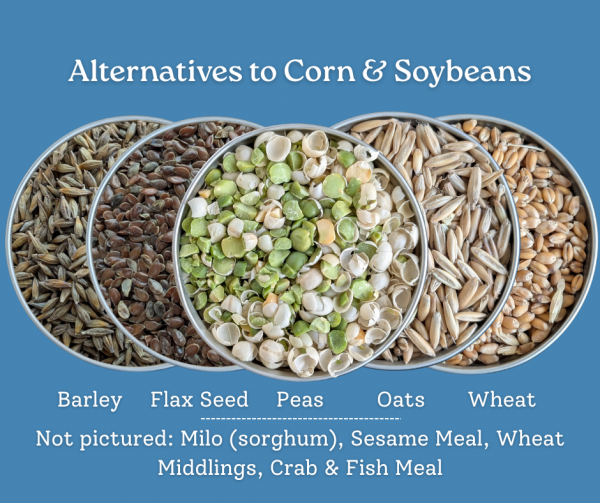
Many alternative grains and legumes—such as peas, barley, oats, flaxseed, and sunflower meal—can provide comparable nutrition without relying on corn or soy. With careful formulation, these feeds can meet the specific needs of livestock without sacrificing health or productivity.

4. Sustainability and Crop Diversity

Corn and soy are often grown in large-scale monocultures that can contribute to soil depletion and loss of biodiversity. By choosing ingredients from a wider variety of crops, farmers can support more sustainable agricultural systems.

5. Consumer Demand

Some buyers seek out products from animals raised on corn- and soy-free diets, particularly in niche markets such as pasture-raised, heritage breeds, or allergen-friendly meat and eggs. This growing demand can offer farmers a marketing edge to sell their products.

Feeding livestock a corn- and soy-free ration can offer several benefits:

  • Improved digestion and animal health in sensitive individuals
  • Cleaner labeling for direct-to-consumer marketing (e.g., “corn- and soy-free eggs”)
  • Greater diversity in feed ingredients, supporting resilient farm systems
  • Alignment with personal or consumer values, such as non-GMO or regenerative agriculture

However, it’s important to note that going corn- and soy-free usually requires more complex feed formulations and may come at a higher cost. Balancing protein and energy with alternative ingredients takes careful planning to avoid nutritional deficiencies. You’ll notice our soy-free rations include a carefully balanced mix of grains and meals to create the full amino acid profile that is not being supplied by soybeans.

Corn and soy have earned their place in livestock nutrition due to their cost-effectiveness and nutritional benefits. However, they are not the only options. As awareness grows around health sensitivities, environmental concerns, and consumer preferences, corn- and soy-free feeds are becoming more popular—and we are here to fill that need. Here are some examples of corn and soy alternatives we use here at Kraut Creek:

Conclusion

Choosing whether or not to feed corn and soy comes down to your farming goals, the needs of your animals, and the values you want your products to represent. Either way, understanding the pros and cons can help you feed your animals with confidence and purpose, not based around hype or scary headlines.

Check out our current corn and/or soy-free options for poultry and swine.

Interested in a custom formulation for your own specific needs? Reach out to us!

FAQ: Why are there Pellets in the Corn/Soy Free Feeds?

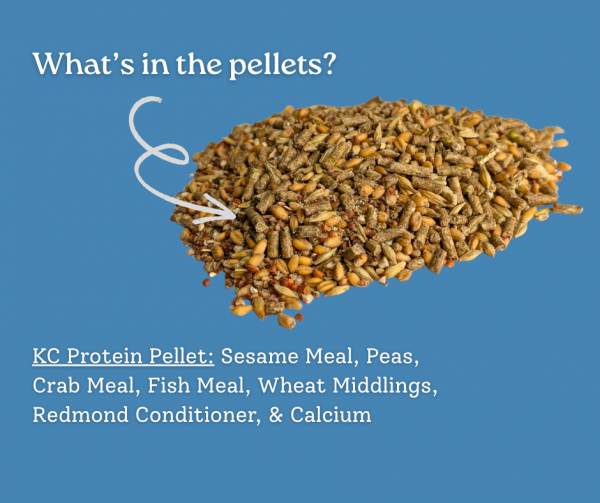
This is a question we get a lot! You may have noticed there are pellets in the corn/soy free formulations of chicken feed. These are most noticeable in the layer feed, as it is not ground up like in the starter and grower versions. These pellets are what we call “protein pellets” and are a pelletized form of all the protein sources we use in place of soybeans. This provides the protein base around which we build the rest of the formulation.

Why are they pelletized? It serves two purposes: One, to reduce the amount of fines in the feed, because a significant portion of the alternative protein sources are fine materials. Two, it ensures a consistent level of protein and complete amino acid profile across the batch of feed, so your birds are getting an adequately balanced diet throughout the bag. If your birds tend to leave pellets behind, we recommend withholding the addition of more feed until they have cleaned these up, because they are a crucial part of the feed ration.  

Feed Livestock, General
0

Oct

13

Fall Gardening 101: When to Start & How to Succeed
Thinking gardening season is over? Think again! Fall gardening is a great way to extend your harvest and enjoy cool-season crops like kale, spinach, lettuce, carrots, radishes, and broccoli. But timing and soil prep are key!

When to Start
Count back 10–12 weeks before your area’s first expected frost date to determine your ideal planting window. For many regions, that means starting seeds in late July through early September. Root crops and leafy greens thrive in the cool, crisp days of fall—and some even taste sweeter after a light frost!

🪲 Enjoy less pest pressure, fewer diseases from spring moisture, and a much cooler temperature for working in the garden!

Soil Prep is the Secret
Summer crops can take a toll on your soil, so refreshing it before fall planting is crucial. Here’s how to build a strong foundation:

✅ Add Compost – Replenishes organic matter and improves texture.
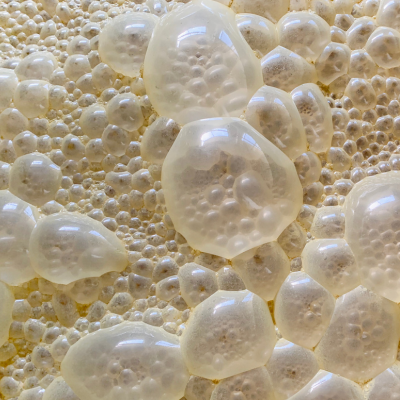
✅ Cover Bare Soil – Use straw, cardboard, compost, anything you can to cover soil after harvesting. Unprotected soil erodes faster, degrades nutrients, and kills soil life.
✅ Use Cover Crops (Green Manure) – Helps add nitrogen and protect soil if you’re not planting a full fall garden.
✅ Rebalance Nutrients – Summer’s heavy feeders may have depleted key minerals.

Boost with Fertrell
Fertrell’s organic fertilizers are perfect for revitalizing soil without harsh chemicals.
Consider:
🌟 Fertrell Super N – Adds a quick nitrogen boost for leafy greens and brassicas.
🌟 Fertrell Super K – Supplies natural potassium to help plants build disease resistance and improve overall plant health—great for fall fruiting crops and soil balance.
🌟 Fertrell Liquid Fertilizer (3-4-3) – A balanced, all-purpose mix great for general soil support in your fall beds.
🌟 Fertrell Liquid #3 – A fast-acting liquid fertilizer designed to give plants a quick nutrient pick-me-up, especially useful for transplants or stressed crops.

With the right timing and nutrients, your fall garden can be just as productive—if not more—than spring.

Ready to dig in? Your autumn harvest awaits!
Snag a Clyde’s garden planner to help you see fall planting dates.

Check out this video on planning a fall garden for your region:
General
Comments Off on Fall Gardening 101: When to Start & How to Succeed

Oct

13

Fermenting Poultry Feed

What It Is, What It Isn’t, & How to Ferment Safely

What Is Fermented Chicken Feed?

Fermented chicken feed is simply regular feed (pellets, crumbles, or grains) soaked in non-chlorinated water and allowed to sit at room temperature for a few days, until it reaches a pH of 4.5. This process allows beneficial bacteria—primarily Lactobacillus—to break down some of the feed’s components in a controlled, anaerobic environment. It’s similar to how foods like yogurt, kefir, and sauerkraut are made.

Why Ferment?

Improved Digestibility:
Fermentation helps break down anti-nutrients like phytic acid found in grains, which can interfere with mineral absorption. This means chickens may get more usable nutrition out of the same volume of feed. It also softens hard grains like corn for easier digestion.

Gut Health Support:
Fermented feed is rich in probiotics. These beneficial bacteria can help maintain a healthy gut microbiome in chickens, which supports overall immunity and better digestion.

Reduced Feed Waste:
Fermented feed has a wet, mash-like texture, which tends to reduce the amount of feed chickens scatter and waste. Many keepers report a 10–30% reduction in overall feed usage with no drop in egg production or weight gain.

Hydration Boost:
Especially in hot weather, fermented feed provides an extra source of hydration.

Myth-Busting: Does Fermenting Feed Make It More Nutritious?

This is a key point that often gets misunderstood. Fermentation does not magically add nutrients to the feed. It can make some existing nutrients more bioavailable, which can feel like an increase in nutritional value because chickens are better able to absorb what’s already there, but it can also result in a degradation of other nutrients.

Remember: fermenting does not create ‘more feed’. The water increases the feed volume. This means your chickens will consume less nutrients even if they are eating the same volume in fermented feed.

Safe Fermenting Steps:

  1. Add feed to bucket or container. Add enough fresh, clean water to cover the grains a few inches. Stir to eliminate air pockets.
  2. Cover container with cheesecloth to allow gas exchange and keep out contaminants. If you must cover with a solid lid, do not seal completely.
  3. Let ferment at room temperature for 1-3 days, stirring daily. Add water as necessary to keep grains covered.
  4. Check the smell. It should smell sweet and yeasty – like beer or yogurt. Not rotten.
  5. Check for mold. White non-fuzzy growth is yeast, this is healthy and normal. Any colorful mold is bad, and the soaked grains need to be discarded.
  6. Feed grains when bubbly, after about 3-4 days of fermenting.

Tips for Success:

  • Start with clean containers and utensils to avoid contamination
  • Feeds containing whole grains ferment the best and provide the most benefits. Poor quality grains can be dangerous to ferment!
  • Avoid metal containers, which can react with acids in fermented feed
  • Use non-chlorinated water
  • Try to ferment in an area where the temperature stays 60-75° F
  • Don’t feed too much at once, only what your chickens will eat in a day or two
  • Don’t ferment too long, or you could begin creating alcohol
  • You can use test strips to see if you are reaching the ideal pH of 4.5 for a true ferment. If you don’t reach this pH you are simply soaking feed.

Conclusion?

Consider the risks versus the reward in fermenting chicken feed. Feed producers put a lot of work into keeping feeds dry for a reason – moisture encourages the growth of molds, mycotoxins, and other contaminants. If you are going to ferment your poultry feed, use clean tools, a proper technique and don’t feed your chickens an exclusively fermented diet.

Feed Livestock
0

Oct

13

Put Good In, Get Good Out

When it comes to animal health and performance, what you feed matters just as much as how you care for them. We source quality, non-GMO ingredients that make a big difference in the well-being, growth, and productivity of your livestock.

Here’s why these key ingredients are so valuable:

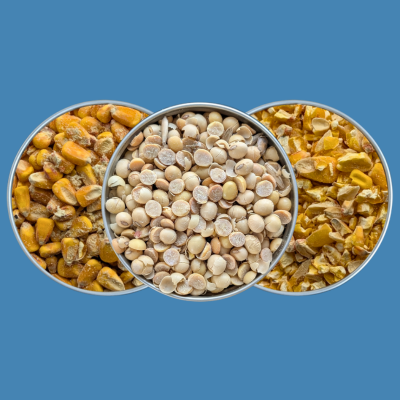
🌽 Corn – A rich source of energy, corn provides essential carbohydrates that fuel growth and weight gain. Non-GMO corn does not stand up to chemical treatments, supporting healthier digestion and long-term animal health.

🌱 Soybeans – Packed with high-quality protein and essential amino acids, soybeans promote muscle development and milk production. Non-GMO soybeans also reduce the risk of pesticide exposure, benefiting both animals and consumers.

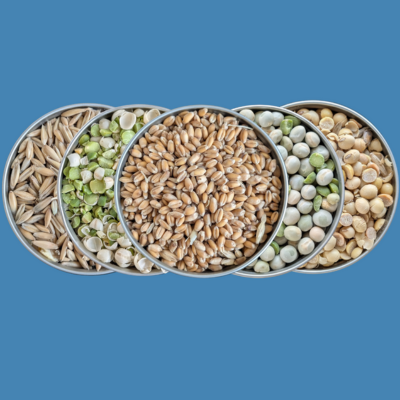
🫛 Peas – Peas are an excellent alternative protein source, easily digestible and rich in fiber. They help support gut health and maintain balanced energy levels, making them a great option in diversified, non-GMO rations.

🌾 Wheat – Wheat offers highly digestible energy and supports steady growth. It’s a versatile grain that also contributes to improved feed efficiency when sourced from non-GMO, high-quality harvests.

🌾 Oats – Oats are known for their digestibility and soothing effect on the digestive system. They provide a balanced mix of energy, fiber, and protein, making them especially beneficial for young or sensitive animals.

🌻Flax Seed – Flax seed is a powerhouse of omega-3 fatty acids, which contribute to healthy skin, shiny coats, and improved immune function. Quality, whole flax ensures animals get the purest form of these essential nutrients.

🌰 Sesame Meal – Rich in protein and calcium, sesame meal supports bone health and overall development. It’s a valuable addition to balanced feed rations, and an important component in corn and soy-free feeds, especially when sourced from trusted suppliers.
Why Non-GMO?
The long term effects of genetically modified organisms are still not fully understood, but the short term effects have already proven to be catastrophic to the resiliency and self-sufficiency of agriculture. We are not interested in supporting that model. Non-GMO ingredients promote natural growth and align with our values for cleaner, more transparent food sources. Non-GMO products are not sprayed with the same chemicals as their GMO counterparts (such as glyphosate), because if they were, they would simply die. So while a non-GMO label does not necessarily guarantee it is free from chemicals, it is well understood that a non-GMO product would not withstand treatment from those chemicals anyway.

Our products and the ingredients in them are non-GMO Project Verified and undergo annual testing to ensure they are free from the harmful chemicals often used on GMO crops. This means you can trust that our feeds are filled with the good stuff and none of the bad; healthy ingredients for healthy animals. Healthier animals lead to healthier products—whether it’s meat, milk, or eggs—and that leads to a healthier world.

Feed Livestock
0

Oct

13

Why Shopping at Local Farms is a Win for Your Community (and You!)

When you choose to buy your food from a local farm instead of a big-box grocery store, you’re doing more than just grabbing produce—you’re making a powerful investment in your community.

Here’s how shopping local benefits everyone:

Financial Benefits

1. Keeps Money in the Community

Every dollar you spend at a local farm is more likely to stay in your local economy, supporting small business owners, their employees, and nearby services. According to the American Independent Business Alliance, for every $100 spent at a local business, $68 stays in your local economy.

2. Strengthens Local Jobs

Small farms employ more people per acre than large-scale industrial operations. In fact, local food systems can create 13 jobs per $1 million in sales, compared to just 3 jobs in industrial agriculture, based on a USDA report. These jobs help individuals who may need more flexible employment, from veterans to parents.

3. Reduces Supply Chain Costs

The average grocery store item travels 1,500 miles to reach your plate. Local food skips the long-distance transportation, warehousing, and middlemen. That means lower transportation costs and more of your money going directly to the farmer.

Environmental & Social Benefits

4. Fresher, Healthier Food

Local produce is often harvested within 24 hours of purchase, meaning it’s at peak nutrition and flavor. No preservatives needed! Meanwhile, store-bought products may spend up to two weeks in transit and storage, losing nutritional value and flavor.

5. Less Waste & Packaging

A study by the EPA shows that food packaging accounts for nearly one-third of municipal solid waste. Local farm purchases often use minimal or reusable packaging. Buying directly from the farm means less plastic, fewer shipping materials, and a smaller carbon footprint.

6. Preserves Local Land & Green Space

According to the National Young Farmers Coalition, more than 2,000 acres of U.S. farmland are lost each day to development. Supporting local farms helps keep that land in productive use, maintaining green space and protecting ecosystems.

Community & Cultural Benefits

7. Builds Relationships

A University of California study found that consumers who shop at farmers markets have 10 times more conversations per visit than those at grocery stores. You get to know the people who grow your food—real connections that strengthen trust and transparency.

8. Encourages Food Education

Visiting a farm or farmers market gives kids (and adults!) a firsthand look at where food comes from, promoting healthier habits, education and respect for agriculture.

9. Supports Resilience

Communities with strong local food systems are better equipped to handle supply chain disruptions, economic downturns, or natural disasters. A study predicts that by 2030, 27% of consumers will buy food directly from local farmers – showing rising interest in farm-direct shopping.

Ready to eat more local? You don’t have to overhaul your shopping habits overnight—just start small! Here are a few easy next steps:

1️⃣ Visit a Farmers Market → Replace one or two grocery staples (like eggs or greens) with local versions.

2️⃣ Join a CSA → Get a weekly box of fresh, seasonal produce and other items straight from a local farm.

3️⃣ Use Local Directories → Sites like LocalHarvest.org or apps like Farmstand make it simple to find farms near you.

4️⃣ Make One Swap → Trade a store item (like salad mix or honey) for a local farm option each week.

Choosing local isn’t just a feel-good decision—it’s a smart, sustainable, and community-driven one. Every Friday, we encourage you to consider making a trip to a nearby farm stand or market. Your plate, your neighbors, and your hometown will thank you.

Homestead Living
0

Oct

13

Homestead Highlight: Bethel Farm

We are excited to share our very first Homestead Highlight! 👩🏻‍🌾

Say hello to Bethel Farm in Augusta, Georgia. Run by Brittany & Curtis, this family owned Christ-centered farm is focused on raising pastured egg layers, meat birds, dairy goats and hair sheep. They implement regenerative farming practices and offer gluten free, non-GMO and organic products, including raw goat milk!

When we asked them what got them started in homesteading, here is what they had to say:

“We started farming for our health—tired of additives and labels we couldn’t trust. Farming lets us grow clean, nourishing food and raise animals on pasture, naturally and with care. We offer food you can trust from our farm to your table.

We farm to live simply, eat intentionally, and feed our community with food that heals. With Kraut Creek Feeds supporting us, we farm the way we believe in—because when your health matters, your food matters. It all starts at the farm.”

Thank you, Brittany & Curtis, for sharing your homestead with us.

We are proud to be part of your journey!

See more about Bethel Farm on their website

General
0

Sep

24

Pre-Spring Soil Prep: A Regenerative Roadmap

Many homesteaders think of spring as “when the real work begins.” In truth, much of the success (or struggle) in spring is determined in the preceding fall, winter, and early spring. If you layer in regenerative practices, you can build stronger, biologically vibrant soils that require fewer external inputs over time.


Here’s a step-by-step guide to getting your soils ready for spring—whether in the garden or on pasture—and which products can support each step.


Step 1: Test, Observe, Plan
You can’t fix what you don’t measure. A soil test gives you baseline levels of pH, nutrients (N, P, K, Ca, Mg, S, micronutrients), organic matter, and cation exchange capacity (CEC). With that, you avoid guesswork and over-application.

How:
• Collect representative soil cores (0–6″, or deeper in pasture) or forage samples from each distinct management area (garden plots, paddocks, etc.).
• Send to a reliable lab, such as DairyLand labs for forage and feeds, your local extension office, or use a DIY soil test kit from Redmond.
• While waiting for results, walk your land: identify low spots, compaction, bare patches, erosion paths, drainage issues, and existing vegetative cover.

Interpret & plan:
• Match your soil test results to targeted fertility goals for your crops, pasture species, or forage mixes.
• Sketch out a fertilizer/amendment plan, mapping which zones get what.
• Consider partitioning your budget: some “quick fixes” (to correct deficiencies) and some “long game” regenerative inputs (to build biology, organic matter, etc.).


Step 2: Correct pH & Base Cations

If pH, calcium, magnesium, or base cations (Ca, Mg, K) are off, your other amendments won’t work optimally. Microbes, nutrient availability, and root activity all depend on favorable pH.

  1. Apply lime or calcium sources (if soil test suggests pH is too low).
    • In many soils, you’ll want to raise pH to ~6.2–6.8 (for many garden/forage species).
    • If the soil test suggests a calcium boost (beyond just pH correction), consider Aragonite (a sea calcium with a favorable Ca:Mg ratio).
    • Fertrell’s Soil Mineralizer contains calcium, phosphate, potassium, sulfur, trace minerals, and seaweed (so it can help condition the soil and supply multiple base nutrients).
    • If magnesium is lacking, consider Sul-Po-Mag as a source of K and Mg without altering pH.
    • If only calcium is needed without raising pH, Gypsum is a safe option (doesn’t alter pH but improves structure and adds Ca).
  2. Incorporate additives, even if just lightly.
    • Use a light till, disking, or aeration to mix mineral amendments into the top few inches.
      In the pasture, you might drag or aerate rather than till.
  3. Allow time to react.
    • Lime and calcium amendments may take weeks to months to fully shift soil chemistry. That’s fine; it gives you buffer before the prime planting window.

Step 3: Build Organic Matter, Microbes & Biological Activity
This is where regenerative practices pay off long term. You want a living soil, not just a chemically fed one.
Tactics & matching products:

  1. Cover Crops & Green Manures
    • In garden beds or paddocks, seed cover crops (rye, oats, clovers, vetch) in fall. Their roots feed soil life, suppress erosion, and fix nitrogen (if legumes are included).
    • Terminate them appropriately (roll-crimp, mow, cut, or graze) before full maturity, then let residues sit or lightly incorporate.
  2. Feed the Microbes
    • Fertrell’s Bio-Hume (a liquid humate concentrate) improves tilth, moisture retention, and retains nutrients for plants.
    • Fertrell’s Beneficial Biology and Mycorrhizae Plus — microbial inoculants to help colonize and support the soil rhizosphere.
    • Consider mixing microbial inoculants into the seed mix when overseeding a cover crop or broadcasting them over the soil surface, then lightly raking or watering in.
  3. Organic Inputs & Mineral Boosters
    • Kelp Meal conditions soil, stimulates root growth, improves drought/frost resilience, and helps build soil life.
    • Use Zeolite (a high CEC material) to boost the soil’s ability to hold onto cations (Ca, K, Mg, etc.).
    • Worm Castings is a soil amendment rich in micronutrients and beneficial organisms.
  4. Minimize Soil Disturbance
    • Adopt minimal-till, no-till, or strip-till practices.
    • Keep living roots in the ground as much as possible—cover crops, perennial forages, or multi-species mixes.
    • In pastures, use rotational grazing or mob grazing to allow recovery, rest, and deeper root growth.
  5. Plan nutrient cycling & manure management
    • In a livestock context, try to distribute manure evenly (rather than concentrating in one patch) via rotational grazing or electric fence to encourage uniform fertility.
    • If collecting manure, compost it or age it before applying. Then use that compost to add microbial life and organic matter to your soil.

Step 4: Plan & Apply Nutrients (Late Winter / Early Spring, before green-up)
Now that your soil pH is corrected and your biology is primed, it’s time to feed for performance.
Key principles:
• Feed the plants, but feed the soil first.
• Use slow-release, biologically mediated fertilizers instead of just “quick fix” salts.
• If a soil test shows deficiencies, fill them carefully, observing nutrient ratios and not creating imbalances.

  1. Balanced Dry Fertilizer Blends
    • Fertrell’s Super N 4-2-4 is an organic, well-balanced option.
    • Super K 3-4-7 is useful where potassium is limited.
    • Earth Friendly All-Purpose 5-5-3 is for more balanced, lower-risk feeding without burning.
    • Berry Mix 4-2-4 is specially formulated for berries but can be illustrative of applying a more tailored blend.
  2. Targeted Individual Amendments (based on soil test)
    • If you need extra phosphorus and calcium, Phostrell 0-6-0 is a blend of bone char and aragonite offered by Fertrell.
    • For potassium, Green Potash (a zeolite + kelp blend) or Sulfate of Potash are available.
    • For sulfur, use 90% Pelleted Sulfur.
  3. Liquid & Foliar Amendments
    • Use Fertrell Liquid 3-4-3 (fish emulsion + kelp + humate blend) as a boost during early growth or for seedlings.
    • Fertrell Liquid #3 (2-3-1) can be used as a foliar spray or in fertigation systems, particularly during times of plant stress.
    • Apply Pro K 0-0-20 (soluble potassium) when K is limited and you want an available source
  4. Biological Support Co-applications
    • Combine fertilizer applications with a microbial or mycorrhizal inoculant (like Mycorrhizae Plus) to help roots tap nutrients more effectively.
    • Adding Bio-Hume along with fertilizer helps buffer, improve retention, and reduce leaching.
  5. Timing & Layering
    • Make a base granular (dry) application before green-up or at planting.
    • Follow with lighter liquid or foliar applications mid-season if needed.
    • Adjust to soil temperature and moisture – cold soils reduce microbial activity, so heavy fertilizer right on frozen or very cold ground may lead to losses.

Step 5: Monitor, Adjust, and Regenerate (Growing Season & After)
Even the best plans need adjustment. Keep your soil in a feedback loop.

Monitoring & adjustments:
• Conduct midseason sap, tissue, or foliar tests to catch nutrient stress early.
• Observe plant growth, root color, uniformity of forage or vegetables, and signs of deficiency or toxicity.
• Keep a fertility log: which amendment you applied where, and how the crop or pasture responded.

Regenerative mindsets:
• Rotate crops and forages to prevent disease, break pest cycles, and diversify root structures.
• Use multi-species mixes (legumes + grasses + herbs) to stimulate different microbial niches and more robust soil structure.
• Reduce synthetic inputs over time as your soil biology and fertility improve.
• Encourage and preserve perennial plants, deep-rooted species, and diversity to improve soil carbon and water infiltration.


Sample Timeline Snapshot for a Homestead / Pasture Soil Plan

Time of YearWhat To DoSupporting Products
FallSoil testing, property walk,
plan amendment map
Redmond Soil Test Kit
Late FallAdjust pH and base cations (Ca, Mg, K) Aragonite, Soil Mineralizer,
Gypsum, Sul-Po-Mag
WinterBroadcast humates, inoculants,
and cover crop seeds
Bio-Hume, Beneficial Biology,
Mycorrhizae Plus, Kelp Meal
Early SpringApply nutrients and base fertilizersSuper N, Super K, Earth Friendly,
Phostrell, Green Potash
At Green-UpApply liquid or foliar feed if neededFertrell Liquid #3, Fertrell Liquid 3-4-3
Mid-SeasonMonitor, side-dress nutrients,
re-inoculate, tweak fertility
Use smaller doses of liquid/foliar fertilizers,
and microbial boosters

Tips & Caveats for Pasture / Grazing Contexts
• Avoid over-application – forage species respond well to modest fertility improvements; pushing too hard may invite weeds or imbalance.
• Even application is key – use spreaders or broadcasters designed for pasture scale; uneven patches lead to inconsistent grazing and hoof damage.
• Time fertilizer relative to grazing – ideally apply 2–3 weeks before grazing to allow plants to take up nutrients and reduce run-off risks.
• Watch soil compaction – do not apply with heavy equipment in wet conditions; use lighter methods or drag harrows instead.
• Manure + fertility – when animals are out, consider dragging or spreading manure to even out nutrient deposition and break up dung patches.
• Maintain rest and regrowth – without rest, plants and roots weaken. Regenerative grazing (rotational, mob grazing) supports root depth and microbial resilience.


Taking a regenerative, biology-first approach to soil preparation isn’t about flipping a switch overnight—it’s about layering thoughtful practices over seasons. With a foundation of sound soil testing, appropriately balanced mineral amendments, and a sustained push toward building biology and organic matter, your garden beds and pastures will be stronger, more resilient, and more forgiving. Now is the time to start!

General, Soil Health
0

Sep

24

Why Kelp Meal Deserves a Spot on Your Farm

Whether you’re raising healthy livestock or nurturing fertile soil, kelp meal is a powerhouse natural supplement with a long list of benefits — and it’s all from the ocean!

For Livestock

Kelp meal is a mineral-rich feed additive made from dried and ground seaweed, typically Ascophyllum nodosum. It’s 100% natural, non-GMO, organic, and packed with over 60 trace minerals, vitamins, and beneficial growth compounds.

Benefits of feeding kelp meal:

✅ Supports immune function and overall animal health

✅ Promotes reproductive performance in breeding stock

✅ Enhances hoof and coat condition

✅ Aids in thyroid regulation thanks to its natural iodine content

✅ Can improve feed efficiency and digestion

It’s especially helpful for animals on limited pasture or hay-based diets that may lack diverse minerals.

For Fertilizer & Soil Health

Kelp meal is also a phenomenal soil amendment and plant fertilizer. Its slow-release nutrients and natural growth hormones (like cytokinin and auxins) help improve soil structure and stimulate strong, healthy plant growth.

Benefits of using kelp meal in the garden or pasture:

🌾 Boosts soil microbial activity and fertility

🌿 Encourages strong root development and drought resilience

🌸 Enhances flowering, fruiting, and overall plant vigor

♻️ Improves organic matter content in depleted soils

It’s safe for use on everything from pastures to veggie gardens, and even compost piles.

Sustainably Sourced

Not all kelp is harvested in a way that preserves and maintains the vital ocean ecosystem. That’s why we only source kelp from companies that do it right.

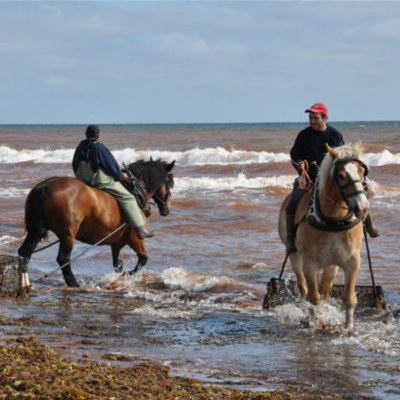
Did you know – North Atlantic Organics still harvests kelp by hand and with horses instead of machines?

The Way Nature Intended

Kelp meal fits right into holistic, regenerative, and organic systems. It’s free of synthetic chemicals and safe for people, animals, and the planet.

If you’re looking for a natural boost for your livestock or land, kelp meal is a tried-and-true solution straight from the sea 🌊

Ask us how to incorporate it into your feeding or soil health program!

Feed Livestock, General
0
  • 1
  • …
  • 4
  • 5
Kraut Creek Regenerative Ag Supply

Based in west central Ohio, Kraut Creek is a premium Non-GMO feed manufacturer focused on the health of your animals.

Non-GMO Project Logo
AGW Logo, Animal Welfare Approved
Non-GMO Project Logo
AGW Logo, Animal Welfare Approved
About the Company

Our Promise to You

The health of your livestock is important. The premium ingredients found in each Kraut Creek feed bag are formulated without growth hormones or antibiotics to ensure the integrity of our feeds and the health of your animals.

Contact Us

1468 Sater Street
Greenville, Ohio 45331

Open Monday-Friday (8am-4:30pm)

(833) 466-6466
OR 833-4NONGMO

info@krautcreek.com

Follow us on Facebook!

Copyright @ 2023 Kraut Creek, Inc. | Terms & Conditions | Privacy Policy