1468 Sater Street
Greenville, Ohio 45331
Hours of Operation:
Monday - Friday
8am - 4:30pm

Watch Your Animals While They Eat
One of the most valuable livestock management tools doesn’t cost a dime.
It simply requires you to slow down and observe your animals.
And yes, we know, most of us have 20 things going on while we are also trying to feed animals and get on to the next thing on the never ending to-do list. But make it a priority, even if it’s just once a week, to grab a cup of coffee and watch.
Whether you have five chickens in the backyard or a herd of cattle on pasture, feeding time is one of the best opportunities you’ll have to spot health problems before they become expensive problems.
Healthy animals are creatures of habit. They usually come to feed with enthusiasm, eat consistently, and behave much the same from day to day.
When that changes, pay attention.
A single animal hanging back, eating more slowly, dropping feed, drinking excessively, or refusing to eat altogether is often telling you something is wrong, sometimes long before obvious symptoms appear.
What should you be looking for?
🐔 Who isn’t excited about breakfast?
Animals that normally rush to feed but suddenly lose interest may be dealing with illness, pain, heat stress, parasites, dental problems, or digestive upset.
🥣 Is everyone getting their fair share?
Watch for timid animals being pushed away by more dominant ones. Sometimes poor body condition isn’t caused by the feed – it’s caused by never getting enough of it.
😬 How are they eating?
Chewing slowly, quidding hay (dropping partially chewed wads), excessive salivation, coughing while eating, or struggling to chew can point to dental issues or mouth injuries, especially in older horses, goats, sheep, and cattle.
🌾 Are they wasting more feed than usual?
Feed suddenly being sorted, scattered, or left behind may indicate the feed or hay has spoiled, become dusty, or simply isn’t as palatable as it should be.
💧 Are they drinking normally?
Water intake and feed intake go hand in hand. A sudden increase or decrease in drinking can be an early clue that something isn’t right.
🐄 Are they eating with a healthy rumen…or a stressed digestive system?
In ruminants, watch for animals that separate themselves, stop chewing their cud, or appear uncomfortable after eating.
The little things matter.
Many illnesses don’t begin with dramatic symptoms, but with subtle changes in behavior.
✔ A hen that gets picked on at the feeder.
✔ A goat that keeps going back to the water trough but isn’t drinking.
✔ A horse leaving grain behind.
✔ A calf that’s slower to the bunk than usual.
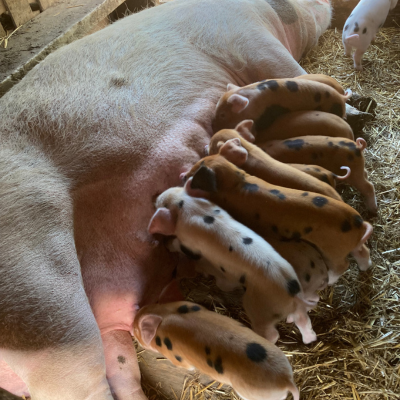
✔ A piglet that gives up on eating because he keeps getting pushed from the feeder.
Those small changes can be your first opportunity to intervene before a minor issue becomes a major veterinary bill.
Put down the feed bucket for a minute. Instead of dumping feed and walking away, spend an extra 5–10 minutes simply observing.
Listen.
Watch.
Notice.
Over time, you’ll learn what “normal” looks and sounds like for your animals, and that’s one of the most valuable skills any livestock owner can develop.
Feeding time doesn’t just nourish your animals.
It gives you a daily window into their health.
What are you seeing?