Kraut Creek Regenerative Ag Supply

Kraut Creek Regenerative Ag Supply

  • Menu
  • Non-GMO Feed
  • Ordering
  • Other Products
  • Dealers
  • Education
    • Articles
  • FAQ
  • Contact
LET’S GET SOCIAL

Kraut Creek Regenerative Ag Supply

  • Contact us

    Contact us today for further info:

    1468 Sater Street
    Greenville, Ohio 45331

    Hours of Operation: 

    Monday - Friday

    8am - 4:30pm

    (833) 466-6466
    OR 833-4NONGMO

    info@krautcreek.com

Contact Us

  • 937.459.0618
  • info@krautcreek.com

General (Page 4)

  • Home
  • Common Spring Soil Issues & How to Fix Them
  • General
  •  (Page 4)

Jul

23

Common Spring Soil Issues & How to Fix Them

As winter fades and we begin planning gardens and pasture growth, early spring is the perfect time to evaluate what your soil actually needs. Months of cold temperatures, snow, and rain can leave soil compacted, mineral-depleted, and biologically sluggish. The good news is that a few simple steps can help wake your soil back up and set the stage for a productive growing season.

Below are some of the most common soil deficiencies and challenges we see each spring—along with simple ways to correct them.


1️⃣ Mineral Depletion After Winter

Heavy winter precipitation often leaches key nutrients from the soil. Calcium, magnesium, potassium, and trace minerals are especially prone to being washed deeper into the soil profile where young plants can’t easily access them.

Mineral-depleted soils tend to show:

Weak or slow early plant growth

Pale or yellowing leaves

Poor root development

Low forage productivity in pastures

Replenishing broad-spectrum minerals early in the season is one of the best investments you can make. Products like Fertrell mineral blends help restore a wide range of trace elements that plants require in small amounts but depend on heavily for healthy growth.

These ocean-derived minerals:

Reintroduce dozens of trace elements

Support stronger plant immune systems

Improve flavor and nutrient density in produce

Help build resilient pasture forage

Applying minerals before planting or just as pasture begins greening up helps ensure plants have what they need from the start.


2️⃣ Low Soil Biology After Cold Weather

Winter slows microbial life dramatically. Beneficial bacteria, fungi, and other organisms that normally break down organic matter and cycle nutrients are often at their lowest levels in early spring.

Without active soil biology:

Nutrients remain “locked up” in the soil

Plants struggle to access fertility

Soil structure breaks down over time

Stimulating soil biology helps bring soil back to life quickly.

Some effective strategies include:

Adding compost or compost-based fertilizers

Applying biological soil amendments

Feeding microbes with organic matter


3️⃣ Compaction from Winter Moisture

Repeated freezing, thawing, and wet conditions can leave soil dense and compacted, especially in gardens that were heavily walked on or pastures with winter livestock traffic.

Compacted soil leads to:

Poor root penetration

Reduced water infiltration

Increased runoff and erosion

Stunted plant growth

Improving soil structure is key.

Helpful approaches include:

Light tilling or broad forking garden beds

Adding organic matter such as compost

Improving mineral balance (especially calcium)

Balanced minerals help soil particles form stable aggregates, which create air pockets for roots, microbes, and water movement.


4️⃣ Poor Early Nitrogen Availability

Nitrogen is the nutrient plants need most for leafy growth, but early spring soils often lack available nitrogen because microbial activity hasn’t ramped up yet.

Symptoms include:

Slow seedling growth

Yellowing leaves

Weak pasture regrowth

Applying a gentle nitrogen source early in the season can help jump-start plant growth while the soil biology catches up.

Organic fertilizers from Fertrell are designed to release nutrients steadily rather than all at once, helping support plants without creating excessive runoff or burn.


5️⃣ Trace Mineral Deficiencies

Many soils—especially those farmed for years—lack critical trace elements such as boron, zinc, copper, and manganese.

Though needed only in small amounts, these minerals play huge roles in:

Flower and fruit development

Plant immunity

Seed germination

Nutritional value of crops

Broad-spectrum mineral amendments are often the easiest way to address trace deficiencies. Applying SEA-90 Soil Mineralizer helps restore a natural ocean-derived mineral balance that plants evolved to thrive in.


🌱 Simple Steps to Start the Season Strong 🌱

If you want to give your garden or pasture the best start possible this spring, focus on these four fundamentals:

1. Test your soil

Knowing your starting point helps guide mineral applications.

2. Replenish trace minerals

Use products like SEA-90 Soil Mineralizer or fertilizer blends from Fertrell.

3. Feed the soil biology

Add compost or biologically friendly fertilizers.

4. Improve soil structure

Reduce compaction and add organic matter.

Healthy soil is the foundation of productive gardens, nutrient-dense food, and resilient pasture forage. Taking a little time to correct common spring deficiencies now can pay dividends all season long.

If you’re not sure what your soil needs, stop in and talk with us—we’re happy to help you choose the right amendments to get your soil and plants thriving this year.

General, Soil Health
0

Jul

23

Homestead Highlight: Brambly Hill Farm

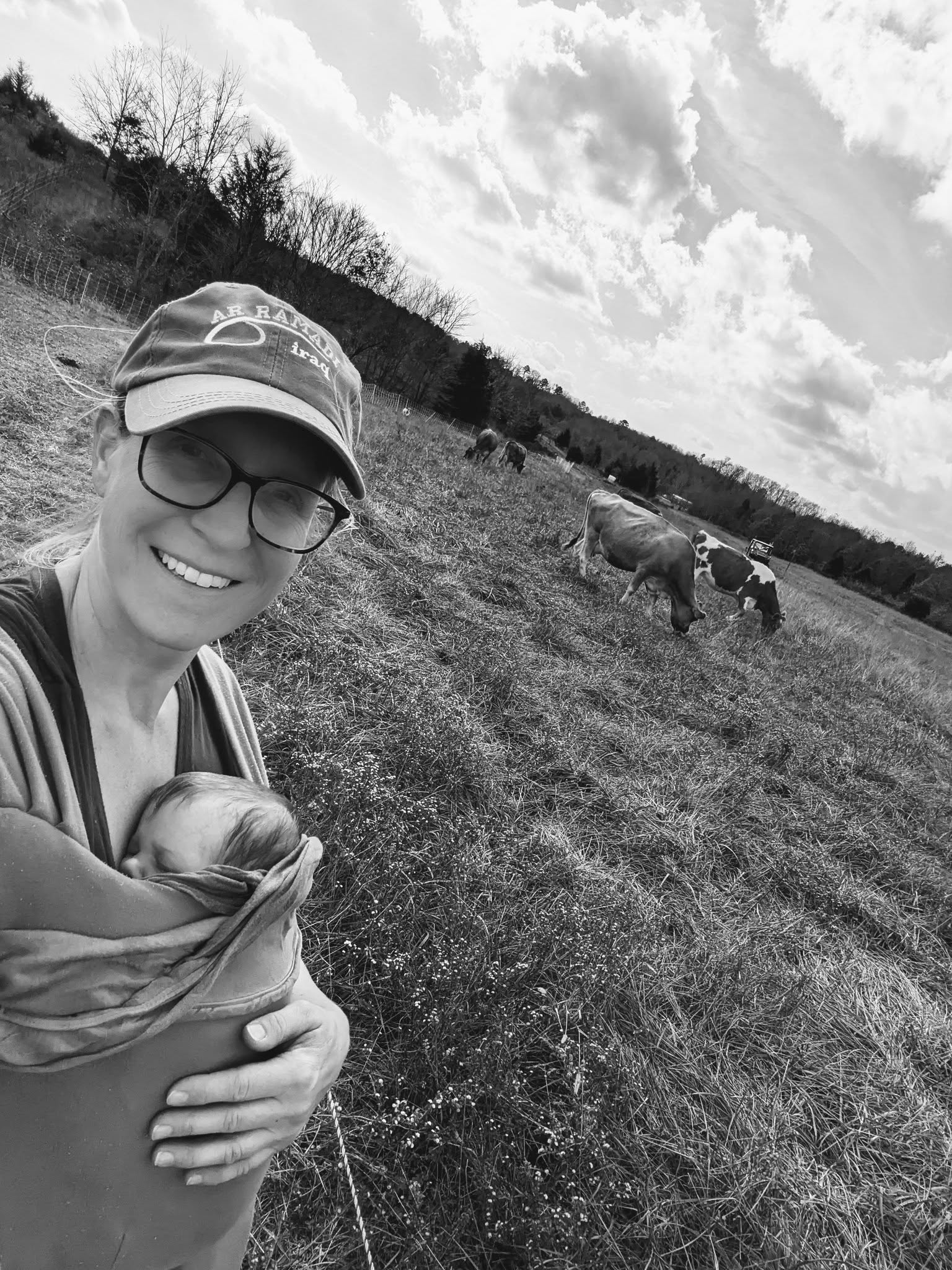
Down in the hills of southern Missouri, the Darling family is building something special at Brambly Hill Farm. What started as a family homestead has grown into a place where hard work, good animals, and a lot of helping hands come together every day.

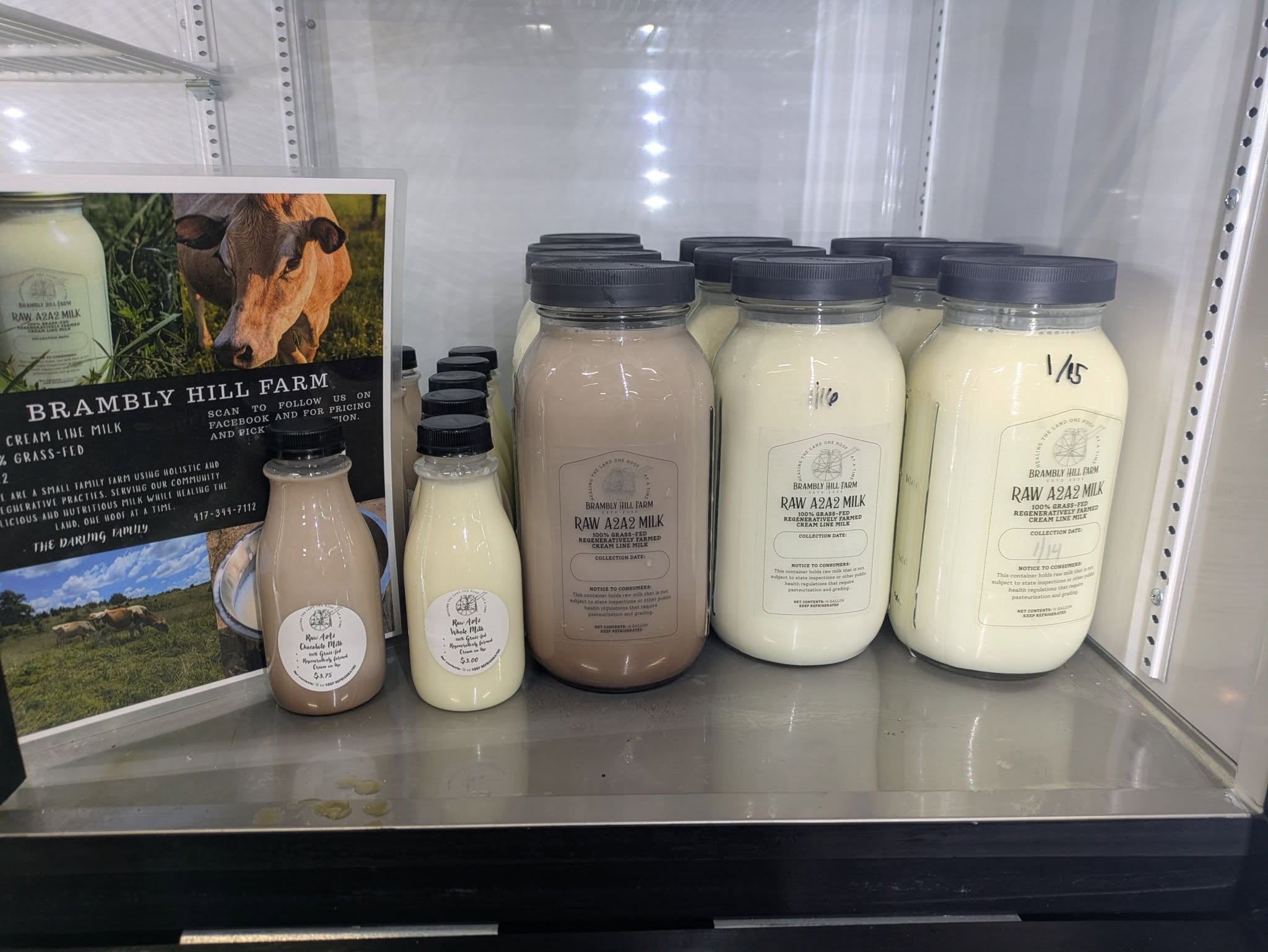
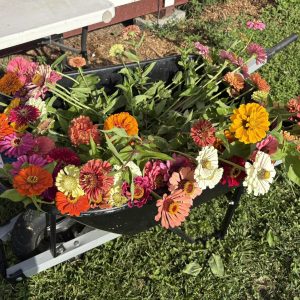
At the heart of their farm is a focus on grass-fed A2A2 cow milk and grass-fed goat milk, raised the way nature intended—on pasture, with careful stewardship of the land and animals. Alongside the dairy, they also grow seasonal flowers, bringing a little extra beauty from the farm to their local community. 🌸🐄🐐

One of our favorite parts of their story is that this is truly a family effort. The Darling kids are right there in the middle of it all—helping with chores, caring for animals, and learning the rhythms of farm life firsthand. It’s the kind of upbringing that teaches responsibility, resilience, and the value of producing real food.

Farms like Brambly Hill remind us why small family farms matter so much. They’re not just producing milk or flowers—they’re raising the next generation with the skills and values that keep agriculture alive. 🌱

Give their page a follow and watch their journey unfold!

General, Homestead Living
0

Jul

23

Set-up Your Young Chicks for Success

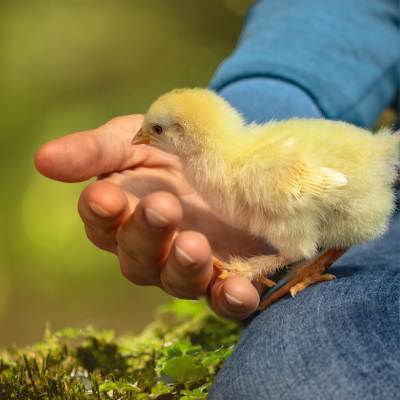
Bringing home chicks soon? The first few weeks set the foundation for lifelong health, strong growth, and great egg production. A little preparation now makes all the difference.

Here’s what you need to get ready:

🥣 Quality Chick Starter Feed

Chicks grow fast – and they need the right fuel to do it. We carry multiple non-GMO chick starter options to fit your goals, whether you’re looking for dual-purpose, corn/soy free, or traditional formulations. A balanced starter provides the protein, vitamins, and minerals necessary for strong bones, feather development, and steady growth. We recommend making their first few meals into a wet mash for added hydration and easy digestion, especially if they were shipped.

🔥 Safe, Reliable Heat Source

Chicks can’t regulate their body temperature yet. Make sure your brooder stays around 95°F the first week, decreasing gradually each week after. Consistent warmth prevents stress and pasting issues. Look for safe heating sources such as plates as opposed to heat lamps. Check all wiring before re-using your heater from last year. Fires are commonly started by heat lamps and damaged heaters.

🌾 Clean, Dry Bedding

Straw bedding helps insulate, absorb moisture, and create a comfortable environment. Keeping bedding dry is key to preventing respiratory issues and coccidiosis. Plan to refresh it regularly, clean brooders grow healthier birds.

💧 Fresh Water + Proper Waterers

Clean water at all times is non-negotiable. Use chick-safe waterers to prevent drowning and contamination.

🛡️ Space & Protection

Avoid overcrowding. Give chicks enough room to move, eat, and rest comfortably. Proper ventilation without drafts keeps air fresh while protecting them from chills.

Starting chicks isn’t complicated – but doing it intentionally makes all the difference. Healthy feed, clean bedding, consistent warmth, and good management will set your flock up for success from day one.

Stop by and we’ll help you get everything you need to kick off chick season the right way! 🐥✨

General, Soil Health
0

Jul

23

Seed Starting Season is Here!

🌱 Let’s Grow! 🌱

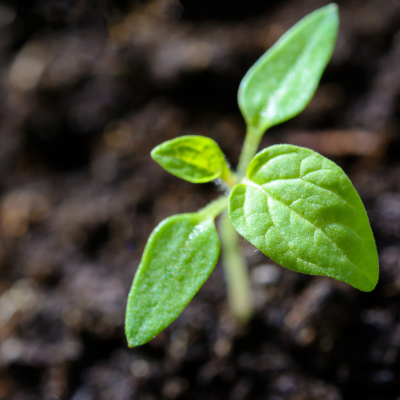
It may still feel early, but now is the time to set your garden up for success. A thriving spring garden doesn’t happen by accident – it starts with preparation.

Here’s what you should be doing right now:

🧪 Test Your Soil

Before adding anything, know what your soil actually needs. A simple soil test takes the guesswork out of fertilizing and helps you amend with purpose, not waste. Redmond soil test kits are only $31.30!

🌾 Amend & Feed

Once you know your soil’s needs, add the right amendments to build structure, improve drainage, and boost fertility. Healthy soil means stronger roots, better nutrient uptake, and higher yields. We carry organic soil amendments and fertilizers from Fertrell to give your plants the nutrients they need from day one.

🪴 Start Seeds the Right Way

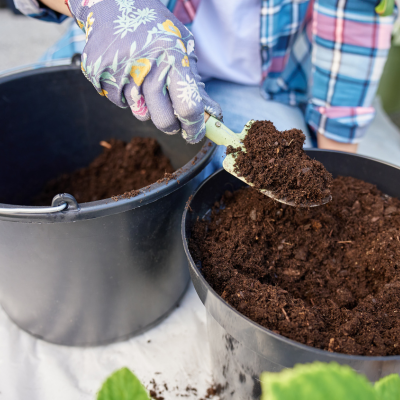
Use an organic potting soil specifically designed for seed starting. A light, balanced mix helps seedlings develop strong roots without compaction or nutrient burn. Fertrell Organic Potting soil is just $37.89 for a 2.8 cu. ft. bag!

🌿 Get Ahead of Weeds

Early intervention makes all the difference. Our organic weed control options help you manage unwanted growth without compromising your soil health or garden ecosystem, but they do best when you start early.

A productive garden starts below the surface. Healthy soil + proper nutrients + early preparation = abundant harvests later.

Stop in and let’s get your garden growing the right way this season! 🌼🌻

General, Soil Health
0

Oct

14

Homestead Highlight: Musgrave Family Ranch

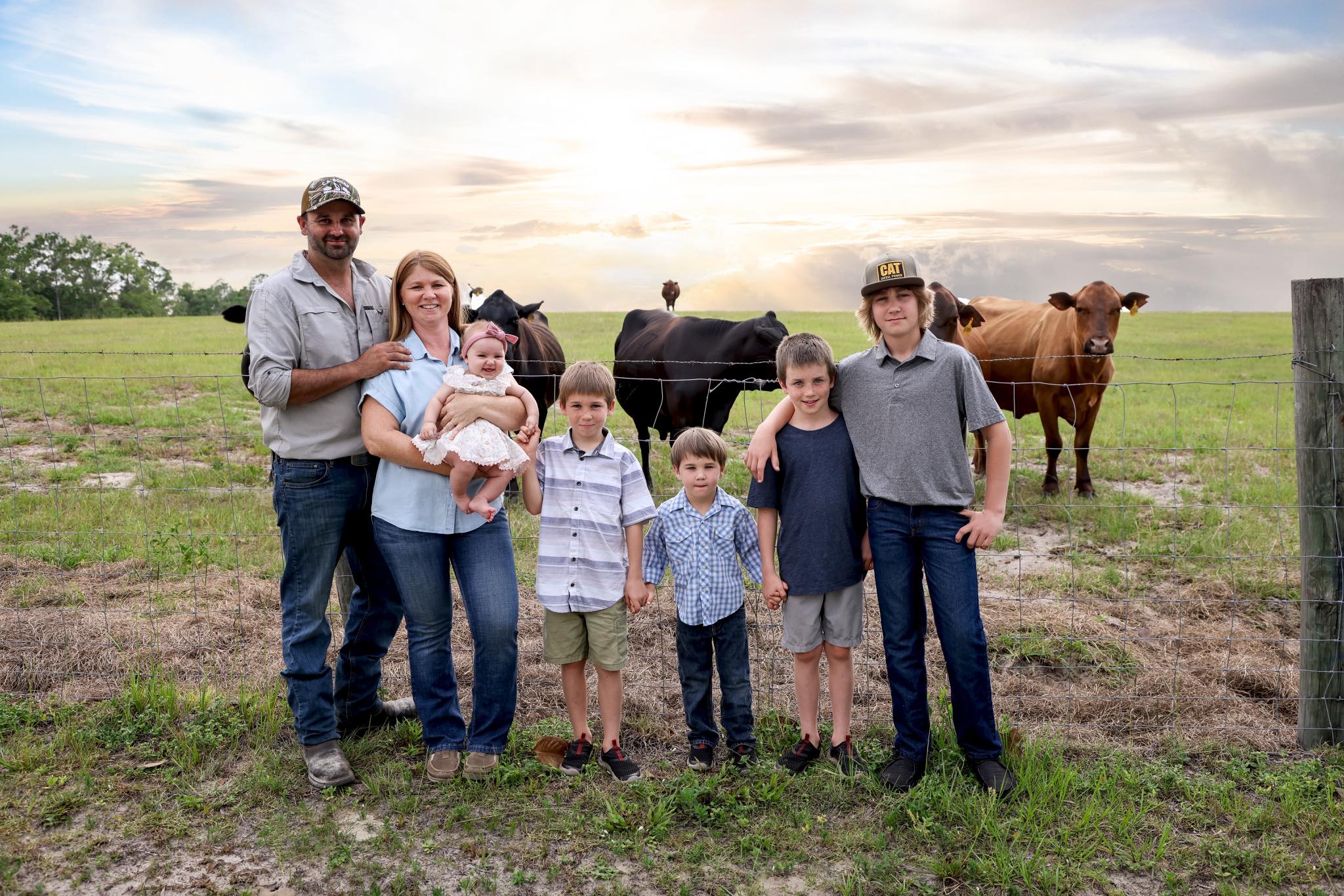
This week’s homestead highlight shoutout goes to one of our longest standing drop points & superstar coordinators – the Musgrave Family!

While Arlie & Cathy run the drop point, the 3-generation family ranch is truly “all hands on deck” to run this grass-fed dairy and beef cattle operation. The Musgrave Ranch was originally started here in Ohio, before moving to Florida in the 1950’s. When cooling ponds were dug for the cows, a large mound of dirt became part of the property skyline, where 3 large crosses were added to symbolize the sacrifice, the price Jesus paid for us. When COVID hit in 2020, the family decided to post scriptures on the crosses, to encourage and uplift their community through the hard times. Since then, the “Cows & Crosses” of the Musgrave Ranch have become a community staple, a source of joy and ministry.

We are grateful for the continued support of the Musgrave family, and their commitment to helping north Floridians get their quality feed & supplies!

Learn more about the Musgrave Ranch, their story, and their scriptures at cowsandcrosses.net

General, Homestead Living
0

Oct

13

Homestead Highlight: Great Expectations Family Farm

Say “Hello” to the Dickens Family!

Jessica is the driving force behind Great Expectations Family Farm based in Waynesboro, Georgia. She is a proud raw milk advocate, running their A2 dairy production and making sure raw milk is delivered to their local community. These guys are known for having the very best milk around!

When they aren’t milking cows, you can find the Dickens family tending to their bees, chickens, and their big family! When asked what got them started in homesteading, Jessica says this: “About 12 years ago, while still living in the city, I began to see what the standard American diet was doing to my family, and I decided to start searching for better food. REAL food. I was discouraged by the lack of options available in the Augusta area. After 2 more years, we packed up and moved to the country with dreams of establishing a homestead to grow our own healthy food. Once we realized how much different and better the real food we were growing was, we just had to share it with others!”

The Dickens deliver raw milk and eggs weekly around the Augusta area, as well as having products for pickup at Bethel Farm. We are proud to supply them with high quality feed for their amazing cows, and to be a small part of their regenerative farming story!

General, Homestead Living
0

Oct

13

Homestead Highlight: Vincent Cattle Farm

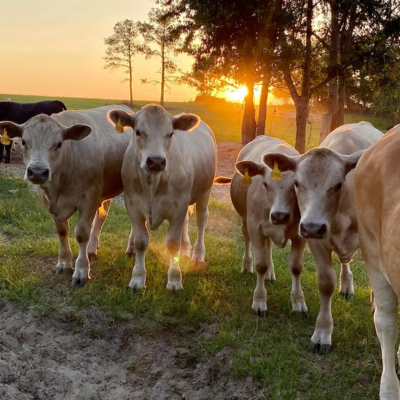
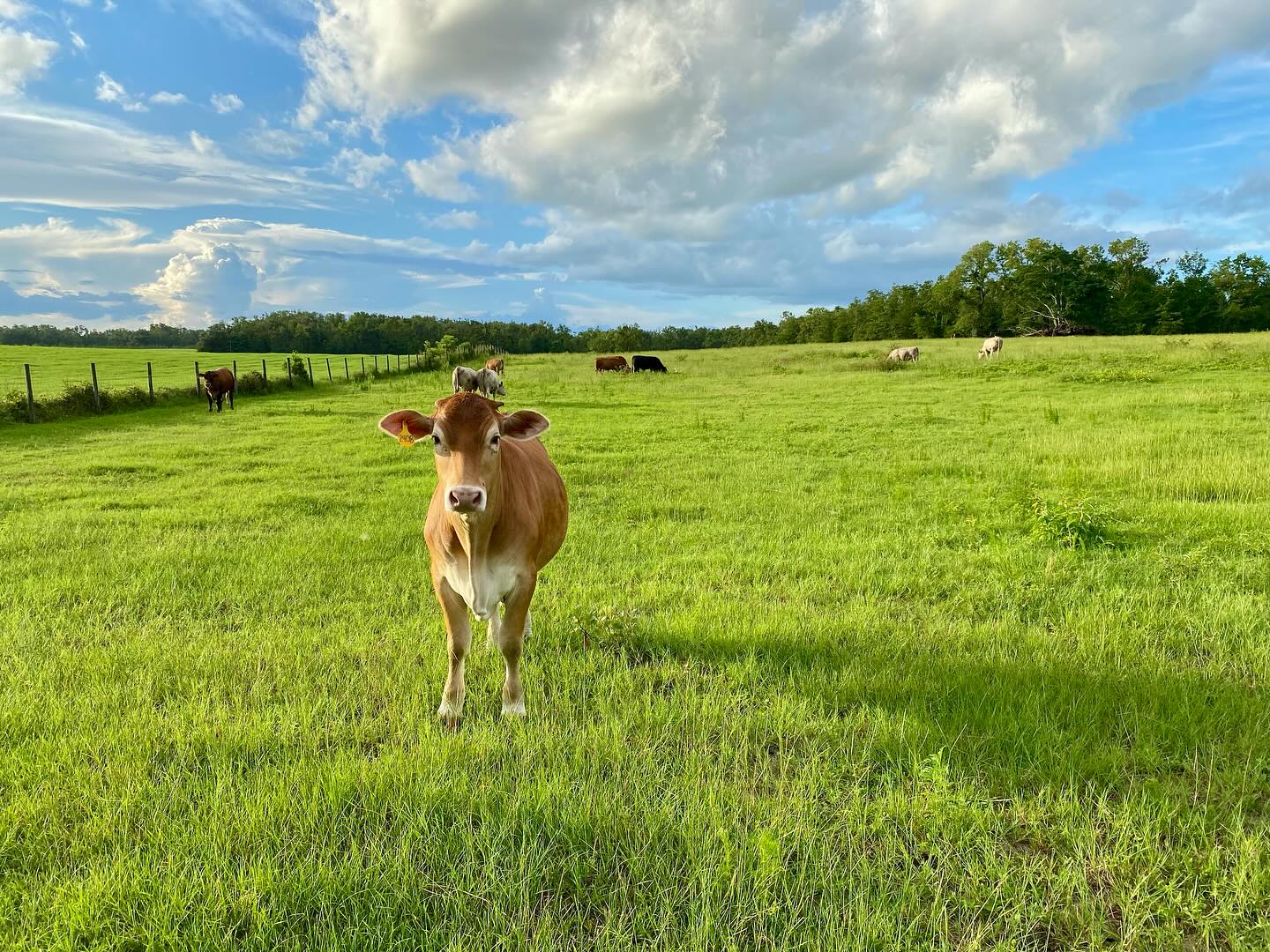
Today we are proud to feature Vincent Cattle Co., a regenerative, family‑run beef farm in North Florida that’s leading the way in sustainable agriculture. Rooted in regenerative practices, they prioritize holistic animal health, and pasture vitality—raising their cattle with care and integrity.

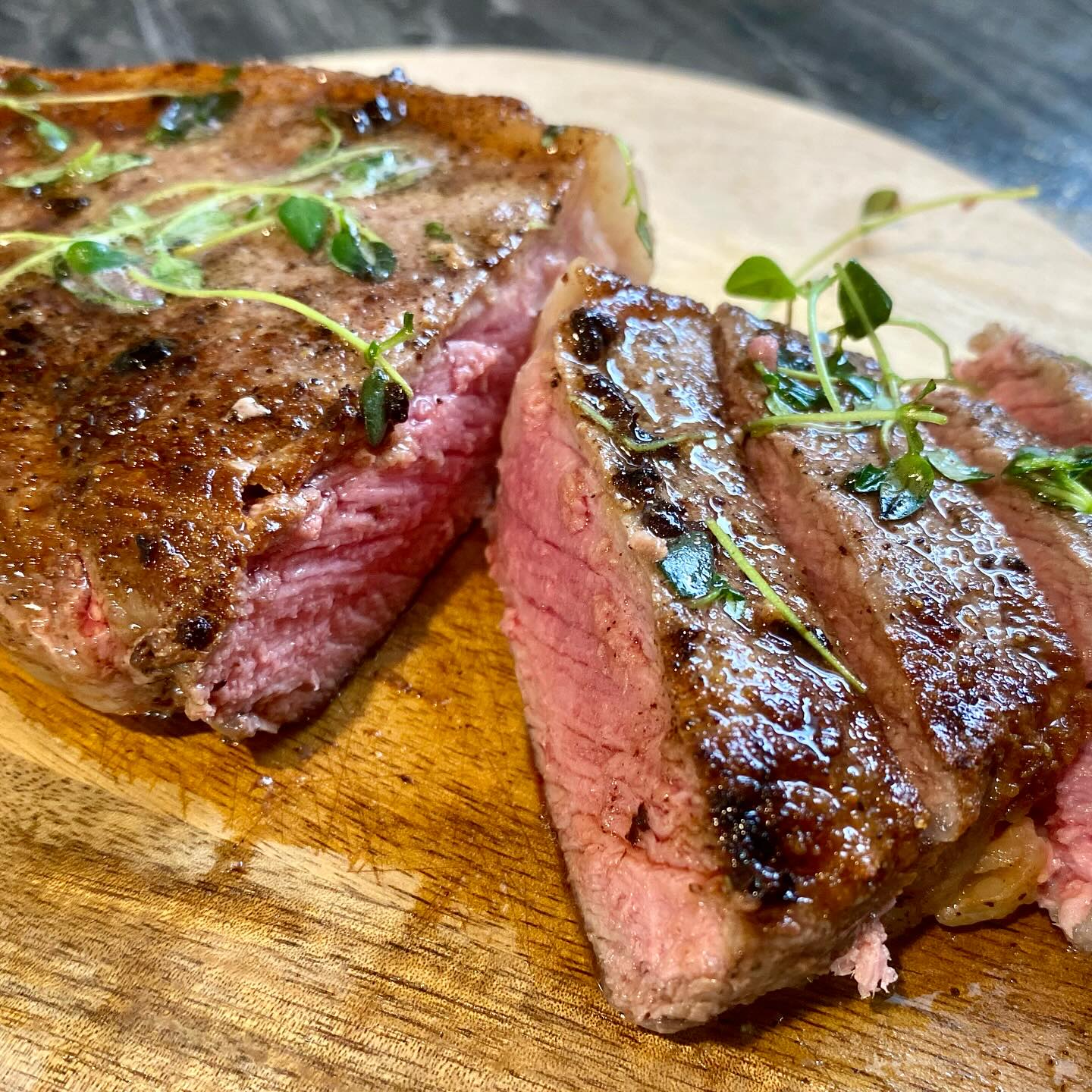
What makes their approach stand out? Their cattle are raised on pasture but thoughtfully supplemented with our non‑GMO beef feed. This ensures animals are nourished without compromising shared values around transparency and purity. Vincent Cattle Co. is also committed to raising their animals without antibiotics, growth hormones, and vaccines, leaning into truly holistic farming that enriches the land and supports long-term animal health. This means truly safe, nutrient dense meat for their family & community!

Thank you, Vincent Cattle Co., for everything you’re doing to nurture the land, elevate cattle farming, and support the regenerative future. We are happy to be part of your journey! 🌱🐄

Learn more about them here:

https://www.vincentcattle.com/

General
0

Oct

13

Corn & Soy in Livestock Feed: Why Some Farmers Want Alternatives

Corn and soybeans have long been the cornerstone ingredients in commercial livestock feed—and for good reason. Both are affordable, widely available, and nutritionally dense. However, a growing number of farmers and homesteaders are choosing to move away from these staples, opting instead for corn- and soy-free rations. Understanding both sides of this debate can help livestock owners make informed decisions based on the needs of their animals, land, and values.

Corn and soy are widely used in livestock diets because they provide key nutritional building blocks:

🌽 Corn is energy-dense and high in carbohydrates, making it a cost-effective way to fuel growth and weight gain in animals like poultry, pigs, and cattle.

🫛 Soy is one of the most efficient plant-based protein sources, offering a balanced amino acid profile that supports muscle development, milk production, and egg laying. It is one of the only plant-based proteins with a complete amino acid profile.
Beyond nutrition, these crops are mass-produced and easily sourced, which helps keep feed prices relatively low and consistent across the industry. Their use also supports predictable performance in commercial farming environments.

Despite the benefits, there are several reasons why some producers and homesteaders are shifting away from corn- and soy-based feeds:

1. Allergies and Sensitivities

Some animals, particularly poultry, may exhibit allergic reactions or digestive issues when fed diets heavy in soy or corn. Eliminating these ingredients can help improve overall health, digestion, and feather condition.

Beyond the animal, there has been some concern about the persistence of certain grain proteins or chemicals in the by-products of animals who are fed those grains. For example, the concern is that someone with a gluten sensitivity may react to meat or eggs from poultry that is fed a diet containing wheat. If we unpack that with science, there is no strong scientific evidence that people with food sensitivities to corn, gluten, or soy will react to meat from animals fed those grains. Studies show that muscle meat does not retain feed proteins in a form that would typically trigger a reaction in sensitive individuals.

However, here are a few important points to consider:

*Milk and eggs are more likely to carry trace proteins.

*Highly sensitive individuals or those with true allergies may wish to avoid products from animals fed those ingredients, just to be safe.

*Personal experience and symptom tracking are often the best guide for those with complex sensitivities.

The jury is still out whether these grains themselves are to blame for food sensitivities, or if it is the chemicals added to them in commercial agriculture that is the cause. But the avoidance of corn and soy in your animal’s feed by individuals with sensitivities can offer peace of mind in consuming their products.  

2. Non-GMO and Organic Preferences

Most conventional corn and soy in the U.S. are genetically modified (GMO). For those committed to organic or regenerative farming practices, feeding non-GMO or organic alternatives is often a higher priority—even if they come at a higher cost. All Kraut Creek premium feeds, whether corn/soy free or not, are verified non-GMO.

3. Balanced Nutrition from Alternative Sources

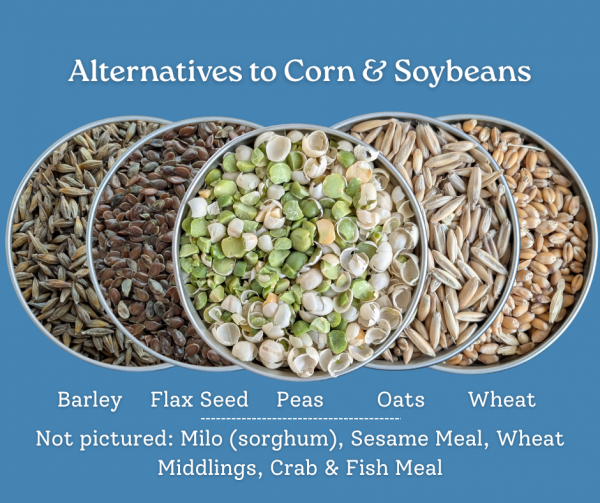
Many alternative grains and legumes—such as peas, barley, oats, flaxseed, and sunflower meal—can provide comparable nutrition without relying on corn or soy. With careful formulation, these feeds can meet the specific needs of livestock without sacrificing health or productivity.

4. Sustainability and Crop Diversity

Corn and soy are often grown in large-scale monocultures that can contribute to soil depletion and loss of biodiversity. By choosing ingredients from a wider variety of crops, farmers can support more sustainable agricultural systems.

5. Consumer Demand

Some buyers seek out products from animals raised on corn- and soy-free diets, particularly in niche markets such as pasture-raised, heritage breeds, or allergen-friendly meat and eggs. This growing demand can offer farmers a marketing edge to sell their products.

Feeding livestock a corn- and soy-free ration can offer several benefits:

  • Improved digestion and animal health in sensitive individuals
  • Cleaner labeling for direct-to-consumer marketing (e.g., “corn- and soy-free eggs”)
  • Greater diversity in feed ingredients, supporting resilient farm systems
  • Alignment with personal or consumer values, such as non-GMO or regenerative agriculture

However, it’s important to note that going corn- and soy-free usually requires more complex feed formulations and may come at a higher cost. Balancing protein and energy with alternative ingredients takes careful planning to avoid nutritional deficiencies. You’ll notice our soy-free rations include a carefully balanced mix of grains and meals to create the full amino acid profile that is not being supplied by soybeans.

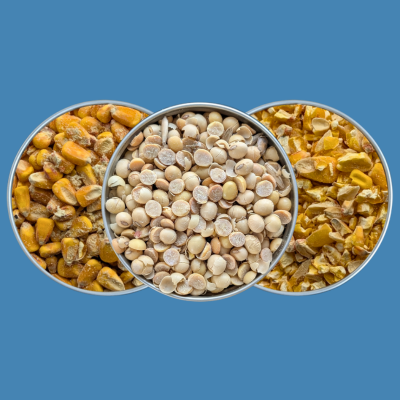
Corn and soy have earned their place in livestock nutrition due to their cost-effectiveness and nutritional benefits. However, they are not the only options. As awareness grows around health sensitivities, environmental concerns, and consumer preferences, corn- and soy-free feeds are becoming more popular—and we are here to fill that need. Here are some examples of corn and soy alternatives we use here at Kraut Creek:

Conclusion

Choosing whether or not to feed corn and soy comes down to your farming goals, the needs of your animals, and the values you want your products to represent. Either way, understanding the pros and cons can help you feed your animals with confidence and purpose, not based around hype or scary headlines.

Check out our current corn and/or soy-free options for poultry and swine.

Interested in a custom formulation for your own specific needs? Reach out to us!

FAQ: Why are there Pellets in the Corn/Soy Free Feeds?

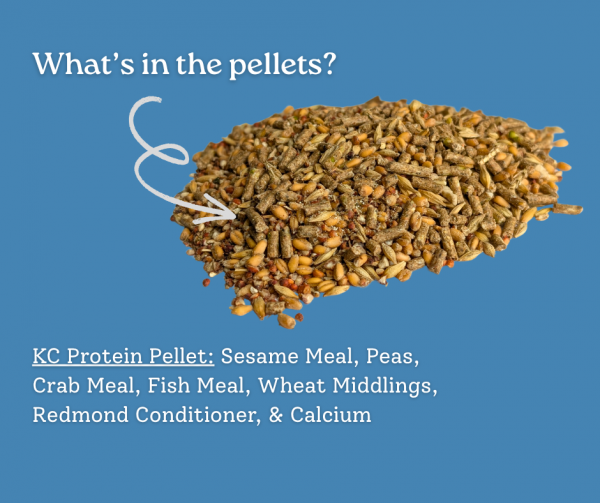
This is a question we get a lot! You may have noticed there are pellets in the corn/soy free formulations of chicken feed. These are most noticeable in the layer feed, as it is not ground up like in the starter and grower versions. These pellets are what we call “protein pellets” and are a pelletized form of all the protein sources we use in place of soybeans. This provides the protein base around which we build the rest of the formulation.

Why are they pelletized? It serves two purposes: One, to reduce the amount of fines in the feed, because a significant portion of the alternative protein sources are fine materials. Two, it ensures a consistent level of protein and complete amino acid profile across the batch of feed, so your birds are getting an adequately balanced diet throughout the bag. If your birds tend to leave pellets behind, we recommend withholding the addition of more feed until they have cleaned these up, because they are a crucial part of the feed ration.  

Feed Livestock, General
0

Oct

13

Fall Gardening 101: When to Start & How to Succeed
Thinking gardening season is over? Think again! Fall gardening is a great way to extend your harvest and enjoy cool-season crops like kale, spinach, lettuce, carrots, radishes, and broccoli. But timing and soil prep are key!

When to Start
Count back 10–12 weeks before your area’s first expected frost date to determine your ideal planting window. For many regions, that means starting seeds in late July through early September. Root crops and leafy greens thrive in the cool, crisp days of fall—and some even taste sweeter after a light frost!

🪲 Enjoy less pest pressure, fewer diseases from spring moisture, and a much cooler temperature for working in the garden!

Soil Prep is the Secret
Summer crops can take a toll on your soil, so refreshing it before fall planting is crucial. Here’s how to build a strong foundation:

✅ Add Compost – Replenishes organic matter and improves texture.
✅ Cover Bare Soil – Use straw, cardboard, compost, anything you can to cover soil after harvesting. Unprotected soil erodes faster, degrades nutrients, and kills soil life.
✅ Use Cover Crops (Green Manure) – Helps add nitrogen and protect soil if you’re not planting a full fall garden.
✅ Rebalance Nutrients – Summer’s heavy feeders may have depleted key minerals.

Boost with Fertrell
Fertrell’s organic fertilizers are perfect for revitalizing soil without harsh chemicals.
Consider:
🌟 Fertrell Super N – Adds a quick nitrogen boost for leafy greens and brassicas.
🌟 Fertrell Super K – Supplies natural potassium to help plants build disease resistance and improve overall plant health—great for fall fruiting crops and soil balance.
🌟 Fertrell Liquid Fertilizer (3-4-3) – A balanced, all-purpose mix great for general soil support in your fall beds.
🌟 Fertrell Liquid #3 – A fast-acting liquid fertilizer designed to give plants a quick nutrient pick-me-up, especially useful for transplants or stressed crops.

With the right timing and nutrients, your fall garden can be just as productive—if not more—than spring.

Ready to dig in? Your autumn harvest awaits!
Snag a Clyde’s garden planner to help you see fall planting dates.

Check out this video on planning a fall garden for your region:
General
Comments Off on Fall Gardening 101: When to Start & How to Succeed

Oct

13

Homestead Highlight: Bethel Farm

We are excited to share our very first Homestead Highlight! 👩🏻‍🌾

Say hello to Bethel Farm in Augusta, Georgia. Run by Brittany & Curtis, this family owned Christ-centered farm is focused on raising pastured egg layers, meat birds, dairy goats and hair sheep. They implement regenerative farming practices and offer gluten free, non-GMO and organic products, including raw goat milk!

When we asked them what got them started in homesteading, here is what they had to say:

“We started farming for our health—tired of additives and labels we couldn’t trust. Farming lets us grow clean, nourishing food and raise animals on pasture, naturally and with care. We offer food you can trust from our farm to your table.

We farm to live simply, eat intentionally, and feed our community with food that heals. With Kraut Creek Feeds supporting us, we farm the way we believe in—because when your health matters, your food matters. It all starts at the farm.”

Thank you, Brittany & Curtis, for sharing your homestead with us.

We are proud to be part of your journey!

See more about Bethel Farm on their website

General
0
  • 1
  • …
  • 3
  • 4
  • 5
Kraut Creek Regenerative Ag Supply

Based in west central Ohio, Kraut Creek is a premium Non-GMO feed manufacturer focused on the health of your animals.

Non-GMO Project Logo
AGW Logo, Animal Welfare Approved
Non-GMO Project Logo
AGW Logo, Animal Welfare Approved
About the Company

Our Promise to You

The health of your livestock is important. The premium ingredients found in each Kraut Creek feed bag are formulated without growth hormones or antibiotics to ensure the integrity of our feeds and the health of your animals.

Contact Us

1468 Sater Street
Greenville, Ohio 45331

Open Monday-Friday (8am-4:30pm)

(833) 466-6466
OR 833-4NONGMO

info@krautcreek.com

Follow us on Facebook!

Copyright @ 2023 Kraut Creek, Inc. | Terms & Conditions | Privacy Policy