1468 Sater Street
Greenville, Ohio 45331
Hours of Operation:
Monday - Friday
8am - 4:30pm

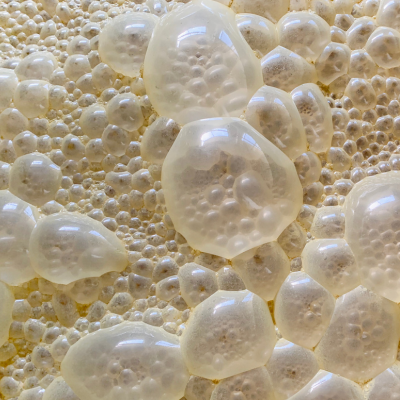
Fermented chicken feed is simply regular feed (pellets, crumbles, or grains) soaked in non-chlorinated water and allowed to sit at room temperature for a few days, until it reaches a pH of 4.5. This process allows beneficial bacteria—primarily Lactobacillus—to break down some of the feed’s components in a controlled, anaerobic environment. It’s similar to how foods like yogurt, kefir, and sauerkraut are made.
Improved Digestibility:
Fermentation helps break down anti-nutrients like phytic acid found in grains, which can interfere with mineral absorption. This means chickens may get more usable nutrition out of the same volume of feed. It also softens hard grains like corn for easier digestion.
Gut Health Support:
Fermented feed is rich in probiotics. These beneficial bacteria can help maintain a healthy gut microbiome in chickens, which supports overall immunity and better digestion.
Reduced Feed Waste:
Fermented feed has a wet, mash-like texture, which tends to reduce the amount of feed chickens scatter and waste. Many keepers report a 10–30% reduction in overall feed usage with no drop in egg production or weight gain.
Hydration Boost:
Especially in hot weather, fermented feed provides an extra source of hydration.
This is a key point that often gets misunderstood. Fermentation does not magically add nutrients to the feed. It can make some existing nutrients more bioavailable, which can feel like an increase in nutritional value because chickens are better able to absorb what’s already there, but it can also result in a degradation of other nutrients.
Remember: fermenting does not create ‘more feed’. The water increases the feed volume. This means your chickens will consume less nutrients even if they are eating the same volume in fermented feed.
Safe Fermenting Steps:
Tips for Success:
Conclusion?
Consider the risks versus the reward in fermenting chicken feed. Feed producers put a lot of work into keeping feeds dry for a reason – moisture encourages the growth of molds, mycotoxins, and other contaminants. If you are going to ferment your poultry feed, use clean tools, a proper technique and don’t feed your chickens an exclusively fermented diet.