Kraut Creek Regenerative Ag Supply

Kraut Creek Regenerative Ag Supply

  • Menu
  • Non-GMO Feed
  • Ordering
  • Other Products
  • Dealers
  • Education
    • Articles
  • FAQ
  • Contact
LET’S GET SOCIAL

Kraut Creek Regenerative Ag Supply

  • Contact us

    Contact us today for further info:

    1468 Sater Street
    Greenville, Ohio 45331

    Hours of Operation: 

    Monday - Friday

    8am - 4:30pm

    (833) 466-6466
    OR 833-4NONGMO

    info@krautcreek.com

Contact Us

  • 937.459.0618
  • info@krautcreek.com

Feed Livestock (Page 3)

  • Home
  • Why Feed Oils to Animals?
  • Feed Livestock
  •  (Page 3)

Oct

13

Why Feed Oils to Animals?

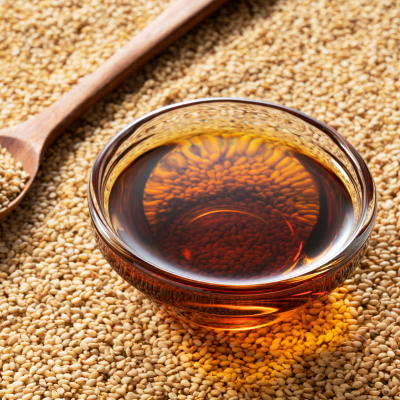
At Kraut Creek, every ingredient that goes into our feeds has a purpose — and oils (like sesame and soybean) play an important role in animal health and nutrition.

Why add oils?

Oils are a concentrated source of energy that help animals maintain healthy weight and production levels. This is because they are almost 100% fat. Fats are not bad but a little goes a long way, giving you more bang for your nutritional buck! They also improve feed texture, reduce dust, prevent sorting (picking out the tasty bits and leaving the fines), and make rations more palatable — so animals are more likely to eat well and thrive.

🌿 Sesame oil benefits

  • Naturally rich in antioxidants and essential fatty acids
  • Supports healthy skin, coat, and feather condition
  • Helps balance omega fatty acids for improved overall wellness

🌱 Soybean oil benefits

  • A reliable source of energy for growth and performance
  • Provides linoleic acid, an essential fatty acid animals can’t make on their own
  • Supports reproductive health and strong immune systems

Answering the Omega Question

But oils are high in omega-6s, right? Yes, but grass-fed animal diets are naturally high in omega-3 fatty acids, which are vital for reducing inflammation, supporting heart health, and improving immunity. Oils like sesame and soybean contribute more omega-6 fatty acids, which are equally important for skin health, energy metabolism, and growth. Oils are used as a comparatively small percentage of an overall livestock ration. Remember – a small amount of oil goes a long way!

By thoughtfully using these oils in quality feeds and combined with grass-based practices, we help create a healthy omega-3 to omega-6 ratio. This balance ensures animals get the benefits of both — steady energy, strong immune function, and overall vitality.

Why Quality Matters

Not all oils are created equal, and bad processing is what gives many oils a bad rep. Commercial oils are often extracted using chemical solvents like hexane and processed at high heat. Our oils and meals are never solvent extracted, instead they are expeller-pressed. Poor-quality oils can go rancid quickly, losing nutritional value and even harming animal health. That’s why we only use fresh, high-quality, non-GMO oils in our feeds — ensuring your animals receive clean energy and essential nutrients in every bite.

Feed Livestock
0

Oct

13

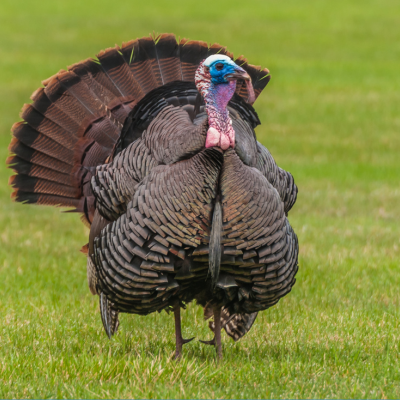
Non-GMO Turkey Feed Program: From Hatch to Harvest

Raising healthy, strong turkeys starts with the right nutrition at every stage of growth. At Kraut Creek, we’ve developed a complete feeding program designed to meet your turkeys’ needs from day one through market weight—all with premium, verified Non-GMO ingredients.

1. Turkey Starter (Day 0 – 4 Weeks of Age)

Protein: 25%

Supports: Early growth, muscle development, and a strong immune system.

Feeding Directions: Feed as the sole ration from hatching through 4 weeks of age.

Average Intake: About 1 lb. of feed per poult per week, increasing steadily as they grow.

2. Turkey Grower (4 – 8 Weeks of Age)

Protein: 23%

Supports: Continued growth, feathering, and bone strength.

Feeding Directions: Feed as the sole ration from approximately 4 to 8 weeks of age.

Average Intake: By 8 weeks, poults may consume 2–3 lbs. per bird per week.

3. Turkey Finisher (8 Weeks – Harvest)

Protein: 18%

Supports: Finishing weight gain and balanced nutrition without excess protein.

Feeding Directions: Feed as the sole ration from 8 weeks to market weight.

Average Intake: Turkeys will eat 3–5 lbs. of feed per bird per week, depending on age and breed.

Why Choose Kraut Creek Turkey Feeds?

✅ Non-GMO Project Verified

✅ Balanced protein, vitamins, and minerals for each life stage

✅ Formulated with roasted soybeans, grains, alfalfa meal, fish meal, kelp, probiotics, and essential minerals

✅ Always fresh, natural, and designed to keep your birds healthy and thriving

With Kraut Creek’s complete turkey feed program, you can be confident your flock is getting the right nutrition at the right time, from hatch to harvest, onto your Thanksgiving dinner table!

Feed Livestock
0

Oct

13

What is Kraut Creek Plus?

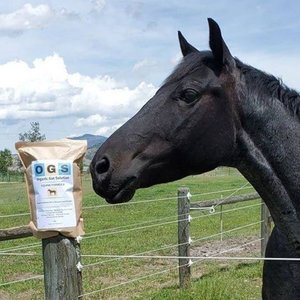
Our “Kraut Creek Plus” line of feeds combines the power of OGS with any of our existing feed products.

What Is OGS?

Organic Gut Solution (OGS) is a carbon‑based, regenerative gut‑health supplement crafted by Verticarb, Inc. It uses activated organic biochar, combined with montmorillonite clay and diatomite, to naturally support and optimize digestive health across species.

It is tailored to the specific nutritional and gut‑health needs of each species (“Poultry Formula”, “Bovine Formula”, etc.) using bio‑available minerals to avoid depleting the animal’s reserves. It is chemical‑free and organic-friendly, making it a natural alternative to antibiotic growth promoters and medicated feeds.

What Does OGS Do?

1. Balances pH & Binds Toxins

OGS creates a gut environment that reduces acid stress, binds harmful bacteria and toxins, and safely removes them via waste—all while encouraging beneficial gut flora to thrive.

2. Improved Feed Efficiency & Production

When digestion is optimized, animals can extract more nutrition from feed. This results in better weight gain, higher milk production, more consistent egg laying, or extended laying periods. Not to mention lower feed costs!

3. Immune Support & Stress Reduction

When gut balance is maintained, an animals body can shift focus toward immune function. Field reports note calmer flocks, lower mortality under stress, and improved recovery from challenges like coccidiosis or enteritis.

4. Lower Odor, Healthier Feathers & Skin

Users report reduced manure odor, shinier and fuller feathers, shinier coats, and overall improved appearance of their herds & flocks.

5. Ease of Use & Flexibility

Suitable for all animal types regardless of age—OGS can be offered free‑choice, mixed into feed, or top‑dressed. Have multiple species on your farm? Buy our bulk bag to share among all of your animals.

When to Use OGS?

Especially helpful during stress and transition periods, young animal development, and gut challenges like coccidiosis, scours, or enteritis. Use as needed during these periods or keep OGS in your feed year-round to boost growth and provide extra immunity—without the drawbacks of antibiotics or harsh additives.

Try the KC Plus line of your favorite Kraut Creek feed to level up your feed game!

Already have your feed in the barn? Purchase a bag of species-specific OGS supplement to top dress, or a bulk bag for all species!

Animal Health, Feed Livestock
0

Oct

13

Corn & Soy in Livestock Feed: Why Some Farmers Want Alternatives

Corn and soybeans have long been the cornerstone ingredients in commercial livestock feed—and for good reason. Both are affordable, widely available, and nutritionally dense. However, a growing number of farmers and homesteaders are choosing to move away from these staples, opting instead for corn- and soy-free rations. Understanding both sides of this debate can help livestock owners make informed decisions based on the needs of their animals, land, and values.

Corn and soy are widely used in livestock diets because they provide key nutritional building blocks:

🌽 Corn is energy-dense and high in carbohydrates, making it a cost-effective way to fuel growth and weight gain in animals like poultry, pigs, and cattle.

🫛 Soy is one of the most efficient plant-based protein sources, offering a balanced amino acid profile that supports muscle development, milk production, and egg laying. It is one of the only plant-based proteins with a complete amino acid profile.

Beyond nutrition, these crops are mass-produced and easily sourced, which helps keep feed prices relatively low and consistent across the industry. Their use also supports predictable performance in commercial farming environments.

Despite the benefits, there are several reasons why some producers and homesteaders are shifting away from corn- and soy-based feeds:

1. Allergies and Sensitivities

Some animals, particularly poultry, may exhibit allergic reactions or digestive issues when fed diets heavy in soy or corn. Eliminating these ingredients can help improve overall health, digestion, and feather condition.

Beyond the animal, there has been some concern about the persistence of certain grain proteins or chemicals in the by-products of animals who are fed those grains. For example, the concern is that someone with a gluten sensitivity may react to meat or eggs from poultry that is fed a diet containing wheat. If we unpack that with science, there is no strong scientific evidence that people with food sensitivities to corn, gluten, or soy will react to meat from animals fed those grains. Studies show that muscle meat does not retain feed proteins in a form that would typically trigger a reaction in sensitive individuals.

However, here are a few important points to consider:

*Milk and eggs are more likely to carry trace proteins.

*Highly sensitive individuals or those with true allergies may wish to avoid products from animals fed those ingredients, just to be safe.

*Personal experience and symptom tracking are often the best guide for those with complex sensitivities.

The jury is still out whether these grains themselves are to blame for food sensitivities, or if it is the chemicals added to them in commercial agriculture that is the cause. But the avoidance of corn and soy in your animal’s feed by individuals with sensitivities can offer peace of mind in consuming their products.  

2. Non-GMO and Organic Preferences

Most conventional corn and soy in the U.S. are genetically modified (GMO). For those committed to organic or regenerative farming practices, feeding non-GMO or organic alternatives is often a higher priority—even if they come at a higher cost. All Kraut Creek premium feeds, whether corn/soy free or not, are verified non-GMO.

3. Balanced Nutrition from Alternative Sources

Many alternative grains and legumes—such as peas, barley, oats, flaxseed, and sunflower meal—can provide comparable nutrition without relying on corn or soy. With careful formulation, these feeds can meet the specific needs of livestock without sacrificing health or productivity.

4. Sustainability and Crop Diversity

Corn and soy are often grown in large-scale monocultures that can contribute to soil depletion and loss of biodiversity. By choosing ingredients from a wider variety of crops, farmers can support more sustainable agricultural systems.

5. Consumer Demand

Some buyers seek out products from animals raised on corn- and soy-free diets, particularly in niche markets such as pasture-raised, heritage breeds, or allergen-friendly meat and eggs. This growing demand can offer farmers a marketing edge to sell their products.

Feeding livestock a corn- and soy-free ration can offer several benefits:

  • Improved digestion and animal health in sensitive individuals
  • Cleaner labeling for direct-to-consumer marketing (e.g., “corn- and soy-free eggs”)
  • Greater diversity in feed ingredients, supporting resilient farm systems
  • Alignment with personal or consumer values, such as non-GMO or regenerative agriculture

However, it’s important to note that going corn- and soy-free usually requires more complex feed formulations and may come at a higher cost. Balancing protein and energy with alternative ingredients takes careful planning to avoid nutritional deficiencies. You’ll notice our soy-free rations include a carefully balanced mix of grains and meals to create the full amino acid profile that is not being supplied by soybeans.

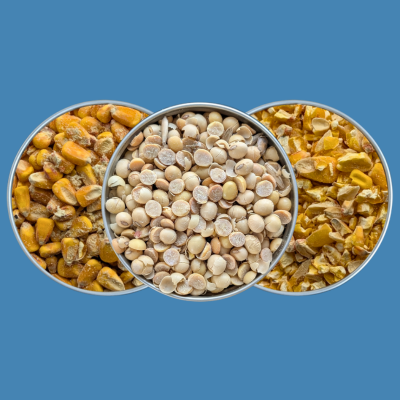
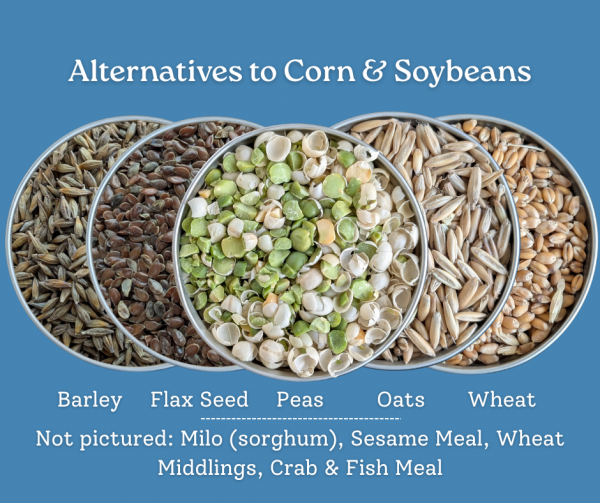
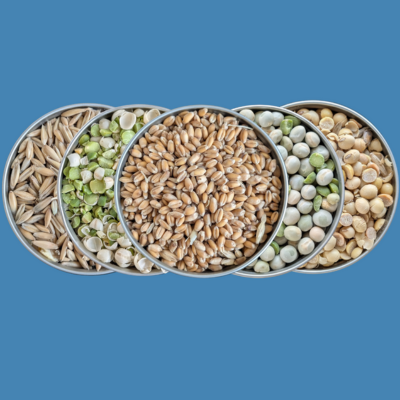
Corn and soy have earned their place in livestock nutrition due to their cost-effectiveness and nutritional benefits. However, they are not the only options. As awareness grows around health sensitivities, environmental concerns, and consumer preferences, corn- and soy-free feeds are becoming more popular—and we are here to fill that need. Here are some examples of corn and soy alternatives we use here at Kraut Creek:

Conclusion

Choosing whether or not to feed corn and soy comes down to your farming goals, the needs of your animals, and the values you want your products to represent. Either way, understanding the pros and cons can help you feed your animals with confidence and purpose, not based around hype or scary headlines.

Check out our current corn and/or soy-free options for poultry and swine.

Interested in a custom formulation for your own specific needs? Reach out to us!

FAQ: Why are there Pellets in the Corn/Soy Free Feeds?

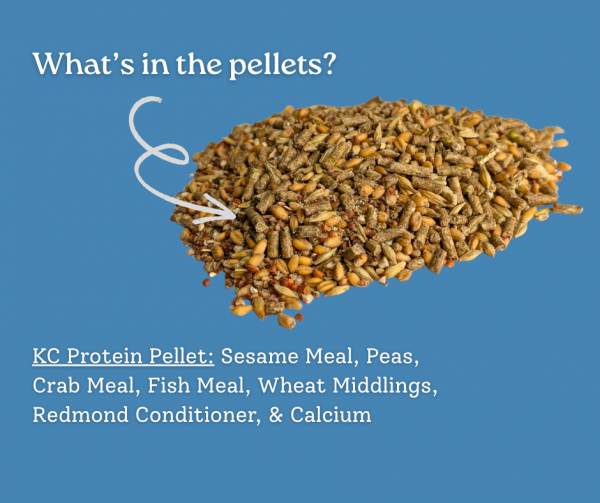
This is a question we get a lot! You may have noticed there are pellets in the corn/soy free formulations of chicken feed. These are most noticeable in the layer feed, as it is not ground up like in the starter and grower versions. These pellets are what we call “protein pellets” and are a pelletized form of all the protein sources we use in place of soybeans. This provides the protein base around which we build the rest of the formulation.

Why are they pelletized? It serves two purposes: One, to reduce the amount of fines in the feed, because a significant portion of the alternative protein sources are fine materials. Two, it ensures a consistent level of protein and complete amino acid profile across the batch of feed, so your birds are getting an adequately balanced diet throughout the bag. If your birds tend to leave pellets behind, we recommend withholding the addition of more feed until they have cleaned these up, because they are a crucial part of the feed ration.  

Feed Livestock, General
0

Oct

13

Fermenting Poultry Feed

What It Is, What It Isn’t, & How to Ferment Safely

What Is Fermented Chicken Feed?

Fermented chicken feed is simply regular feed (pellets, crumbles, or grains) soaked in non-chlorinated water and allowed to sit at room temperature for a few days, until it reaches a pH of 4.5. This process allows beneficial bacteria—primarily Lactobacillus—to break down some of the feed’s components in a controlled, anaerobic environment. It’s similar to how foods like yogurt, kefir, and sauerkraut are made.

Why Ferment?

Improved Digestibility:
Fermentation helps break down anti-nutrients like phytic acid found in grains, which can interfere with mineral absorption. This means chickens may get more usable nutrition out of the same volume of feed. It also softens hard grains like corn for easier digestion.

Gut Health Support:
Fermented feed is rich in probiotics. These beneficial bacteria can help maintain a healthy gut microbiome in chickens, which supports overall immunity and better digestion.

Reduced Feed Waste:
Fermented feed has a wet, mash-like texture, which tends to reduce the amount of feed chickens scatter and waste. Many keepers report a 10–30% reduction in overall feed usage with no drop in egg production or weight gain.

Hydration Boost:
Especially in hot weather, fermented feed provides an extra source of hydration.

Myth-Busting: Does Fermenting Feed Make It More Nutritious?

This is a key point that often gets misunderstood. Fermentation does not magically add nutrients to the feed. It can make some existing nutrients more bioavailable, which can feel like an increase in nutritional value because chickens are better able to absorb what’s already there, but it can also result in a degradation of other nutrients.

Remember: fermenting does not create ‘more feed’. The water increases the feed volume. This means your chickens will consume less nutrients even if they are eating the same volume in fermented feed.

Safe Fermenting Steps:

  1. Add feed to bucket or container. Add enough fresh, clean water to cover the grains a few inches. Stir to eliminate air pockets.
  2. Cover container with cheesecloth to allow gas exchange and keep out contaminants. If you must cover with a solid lid, do not seal completely.
  3. Let ferment at room temperature for 1-3 days, stirring daily. Add water as necessary to keep grains covered.
  4. Check the smell. It should smell sweet and yeasty – like beer or yogurt. Not rotten.
  5. Check for mold. White non-fuzzy growth is yeast, this is healthy and normal. Any colorful mold is bad, and the soaked grains need to be discarded.
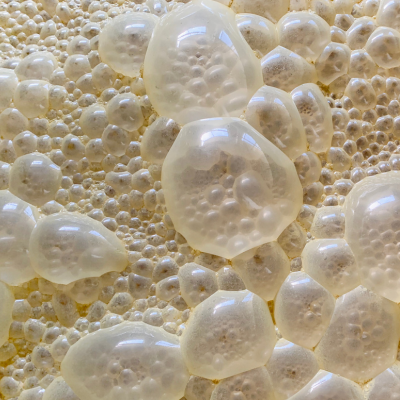
  6. Feed grains when bubbly, after about 3-4 days of fermenting.

Tips for Success:

  • Start with clean containers and utensils to avoid contamination
  • Feeds containing whole grains ferment the best and provide the most benefits. Poor quality grains can be dangerous to ferment!
  • Avoid metal containers, which can react with acids in fermented feed
  • Use non-chlorinated water
  • Try to ferment in an area where the temperature stays 60-75° F
  • Don’t feed too much at once, only what your chickens will eat in a day or two
  • Don’t ferment too long, or you could begin creating alcohol
  • You can use test strips to see if you are reaching the ideal pH of 4.5 for a true ferment. If you don’t reach this pH you are simply soaking feed.

Conclusion?

Consider the risks versus the reward in fermenting chicken feed. Feed producers put a lot of work into keeping feeds dry for a reason – moisture encourages the growth of molds, mycotoxins, and other contaminants. If you are going to ferment your poultry feed, use clean tools, a proper technique and don’t feed your chickens an exclusively fermented diet.

Feed Livestock
0

Oct

13

Put Good In, Get Good Out

When it comes to animal health and performance, what you feed matters just as much as how you care for them. We source quality, non-GMO ingredients that make a big difference in the well-being, growth, and productivity of your livestock.

Here’s why these key ingredients are so valuable:

🌽 Corn – A rich source of energy, corn provides essential carbohydrates that fuel growth and weight gain. Non-GMO corn does not stand up to chemical treatments, supporting healthier digestion and long-term animal health.

🌱 Soybeans – Packed with high-quality protein and essential amino acids, soybeans promote muscle development and milk production. Non-GMO soybeans also reduce the risk of pesticide exposure, benefiting both animals and consumers.

🫛 Peas – Peas are an excellent alternative protein source, easily digestible and rich in fiber. They help support gut health and maintain balanced energy levels, making them a great option in diversified, non-GMO rations.

🌾 Wheat – Wheat offers highly digestible energy and supports steady growth. It’s a versatile grain that also contributes to improved feed efficiency when sourced from non-GMO, high-quality harvests.

🌾 Oats – Oats are known for their digestibility and soothing effect on the digestive system. They provide a balanced mix of energy, fiber, and protein, making them especially beneficial for young or sensitive animals.

🌻Flax Seed – Flax seed is a powerhouse of omega-3 fatty acids, which contribute to healthy skin, shiny coats, and improved immune function. Quality, whole flax ensures animals get the purest form of these essential nutrients.

🌰 Sesame Meal – Rich in protein and calcium, sesame meal supports bone health and overall development. It’s a valuable addition to balanced feed rations, and an important component in corn and soy-free feeds, especially when sourced from trusted suppliers.
Why Non-GMO?
The long term effects of genetically modified organisms are still not fully understood, but the short term effects have already proven to be catastrophic to the resiliency and self-sufficiency of agriculture. We are not interested in supporting that model. Non-GMO ingredients promote natural growth and align with our values for cleaner, more transparent food sources. Non-GMO products are not sprayed with the same chemicals as their GMO counterparts (such as glyphosate), because if they were, they would simply die. So while a non-GMO label does not necessarily guarantee it is free from chemicals, it is well understood that a non-GMO product would not withstand treatment from those chemicals anyway.

Our products and the ingredients in them are non-GMO Project Verified and undergo annual testing to ensure they are free from the harmful chemicals often used on GMO crops. This means you can trust that our feeds are filled with the good stuff and none of the bad; healthy ingredients for healthy animals. Healthier animals lead to healthier products—whether it’s meat, milk, or eggs—and that leads to a healthier world.

Feed Livestock
0

Sep

24

Why Kelp Meal Deserves a Spot on Your Farm

Whether you’re raising healthy livestock or nurturing fertile soil, kelp meal is a powerhouse natural supplement with a long list of benefits — and it’s all from the ocean!

For Livestock

Kelp meal is a mineral-rich feed additive made from dried and ground seaweed, typically Ascophyllum nodosum. It’s 100% natural, non-GMO, organic, and packed with over 60 trace minerals, vitamins, and beneficial growth compounds.

Benefits of feeding kelp meal:

✅ Supports immune function and overall animal health

✅ Promotes reproductive performance in breeding stock

✅ Enhances hoof and coat condition

✅ Aids in thyroid regulation thanks to its natural iodine content

✅ Can improve feed efficiency and digestion

It’s especially helpful for animals on limited pasture or hay-based diets that may lack diverse minerals.

For Fertilizer & Soil Health

Kelp meal is also a phenomenal soil amendment and plant fertilizer. Its slow-release nutrients and natural growth hormones (like cytokinin and auxins) help improve soil structure and stimulate strong, healthy plant growth.

Benefits of using kelp meal in the garden or pasture:

🌾 Boosts soil microbial activity and fertility

🌿 Encourages strong root development and drought resilience

🌸 Enhances flowering, fruiting, and overall plant vigor

♻️ Improves organic matter content in depleted soils

It’s safe for use on everything from pastures to veggie gardens, and even compost piles.

Sustainably Sourced

Not all kelp is harvested in a way that preserves and maintains the vital ocean ecosystem. That’s why we only source kelp from companies that do it right.

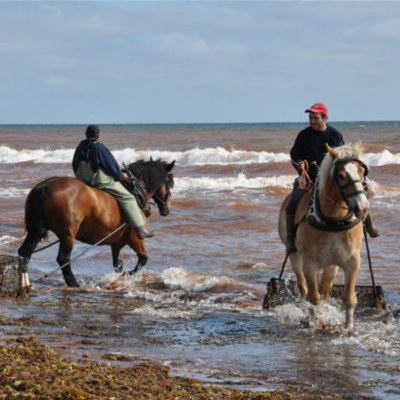
Did you know – North Atlantic Organics still harvests kelp by hand and with horses instead of machines?

The Way Nature Intended

Kelp meal fits right into holistic, regenerative, and organic systems. It’s free of synthetic chemicals and safe for people, animals, and the planet.

If you’re looking for a natural boost for your livestock or land, kelp meal is a tried-and-true solution straight from the sea 🌊

Ask us how to incorporate it into your feeding or soil health program!

Feed Livestock, General
0
  • 1
  • 2
  • 3
Kraut Creek Regenerative Ag Supply

Based in west central Ohio, Kraut Creek is a premium Non-GMO feed manufacturer focused on the health of your animals.

Non-GMO Project Logo
AGW Logo, Animal Welfare Approved
Non-GMO Project Logo
AGW Logo, Animal Welfare Approved
About the Company

Our Promise to You

The health of your livestock is important. The premium ingredients found in each Kraut Creek feed bag are formulated without growth hormones or antibiotics to ensure the integrity of our feeds and the health of your animals.

Contact Us

1468 Sater Street
Greenville, Ohio 45331

Open Monday-Friday (8am-4:30pm)

(833) 466-6466
OR 833-4NONGMO

info@krautcreek.com

Follow us on Facebook!

Copyright @ 2023 Kraut Creek, Inc. | Terms & Conditions | Privacy Policy