Kraut Creek Regenerative Ag Supply

Kraut Creek Regenerative Ag Supply

  • Menu
  • Non-GMO Feed
  • Ordering
  • Other Products
  • Dealers
  • Education
    • Articles
  • FAQ
  • Contact
LET’S GET SOCIAL

Kraut Creek Regenerative Ag Supply

  • Contact us

    Contact us today for further info:

    1468 Sater Street
    Greenville, Ohio 45331

    Hours of Operation: 

    Monday - Friday

    8am - 4:30pm

    (833) 466-6466
    OR 833-4NONGMO

    info@krautcreek.com

Contact Us

  • 937.459.0618
  • info@krautcreek.com

Feed Livestock (Page 2)

  • Home
  • Tips for Comparing Feeds by Value, Not Price
  • Feed Livestock
  •  (Page 2)

Jul

23

Tips for Comparing Feeds by Value, Not Price

When you’re shopping for livestock feed, it’s easy to grab the “better deal” based on price per bag, but that doesn’t always mean you’re getting the best value.


To truly compare feeds, you have to make sure you’re comparing apples to apples. And that’s where things can get tricky, because reading labels can be overwhelming.


Here are a few ways feeds can look cheaper than they really are:
🔹 Lower protein levels
A 16% feed will almost always cost less than an 18% feed, but your animals will need to eat more of it to meet their nutritional needs.


🔹 Fewer pounds per bag
Not all bags are created equal. A 40 lb. bag next to a 50 lb. bag might look similar on the shelf – but that’s a 20% difference right out of the gate.


🔹 Filler ingredients
Some feeds rely heavily on lower-cost fillers that dilute nutritional value to fill out a bag. It may look like a deal, but you’re often paying for less usable nutrition, or worse, harmful ingredients.


🔹 Higher feeding rates
If a feed requires you to feed more per animal per day, your “cheap” bag may actually cost you more over time.


🔹 Requires supplementation
Cheaper feeds are often missing key ingredients, requiring you to supplement or top dress with another product to meet all your animal’s needs, such as calcium for layers or prebiotics for livestock. A quality feed covers all your animal’s basic needs and then some in one bag.

So how do you compare feeds the right way?

  • Look at cost per pound, not just cost per bag
  • Compare protein, fat, and fiber levels side by side
  • Check the feeding recommendations – how much will you actually use?
  • Pay attention to the ingredients listed, not just the guaranteed analysis
  • Is it a complete feed containing vitamins, minerals, direct fed microbials and salt?


Use feed conversion calculators when needed (especially for minerals listed in ppm) to understand what your animals are actually getting, as most feed companies list their ingredients in percentages, ppm, or IU/lb. We like this one: https://madbarn.com/conversion-calculator/


And one more thing to keep in mind:
Form matters!


Pelleted feeds can be convenient, but they can also make it harder to see what’s really inside. Whole or textured feeds offer more transparency, allowing you to better evaluate ingredient quality at a glance, and avoid unnecessary binders.


Everyone is pinching pennies right now, we get it. But the goal isn’t to buy the cheapest feed – it’s to find the one that delivers the most value, best performance, and strongest nutrition for your animals, and you!


Look beyond the bag, that’s where the real difference shows up.
Feed Livestock
0

Jul

23

The Power of Fats

Now that we are officially out of winter (at least here in Ohio), how are your animals looking? Do you have some that are lacking condition, have a rough haircoat, or are struggling to meet the demands of their nursing babies? It might be a good time to supplement calories, while we are waiting on that spring flush of grass.


But not all calories are created equal, especially when it comes to supporting livestock through demanding seasons.


There are times when animals need more energy, but simply feeding more grain isn’t always the best answer. Livestock coming out of winter in rough condition, animals in lactation, seniors, or those with poor dentition often benefit from added fat sources instead of increased feed volume.


Why fat?
✔ Energy dense – Fat provides more than 2x the energy of carbohydrates
✔ Low intake, high impact – Ideal for animals that can’t or won’t eat more
✔ Safer than starch – Helps avoid digestive upset tied to excess grain or corn
✔ Supports condition & production – Great for weight gain, milk production, and overall resilience


Instead of pushing more feed or relying heavily on starchy options, adding fat allows you to increase calories without overloading the rumen or digestive system.


At Kraut Creek, we offer practical fat sources you can easily incorporate:

Black Oil Sunflower Seed (BOSS) – A highly palatable, natural fat source that also supports coat and skin health

Flax Seed – Rich in omega-3 fatty acids for anti-inflammatory support, condition, and overall health

Sesame Oil – A concentrated energy source with beneficial fatty acids, easy to top-dress

Soybean Oil – Cost-effective, calorie-dense option for boosting energy intake efficiently

Whether you’re rebuilding condition, supporting heavy producers, or helping older animals maintain weight, adding fat is a simple, effective tool to keep your livestock thriving.


Real nutrition. Practical solutions. Built for working farms.

Animal Health, Feed Livestock
0

Jul

23

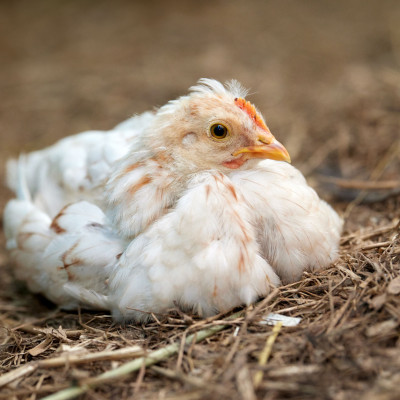
When to Switch Chicks from Starter to Grower

A well-managed feeding program is one of the most important foundations of a healthy, productive flock. Chickens have very different nutritional needs as they grow, and adjusting protein and mineral levels at the right time supports proper development, efficient growth, and long-term performance.

Starter feed is designed for rapid early development. In the first weeks of life, chicks are building muscle, organs, feathers, and immune function at an incredible rate. The higher protein level in our original starter (22%) provides the essential amino acids needed for:

  • Strong skeletal and muscle development
  • Feather growth
  • Early immune system support


This phase sets the foundation for the bird’s entire life—cutting protein too early can lead to stunted growth or weaker birds. Our starter feeds are a ground mash, perfectly sized for young chicks, easy to consume and digest.


🕜 Is it time for Grower Feed?
As birds move out of the earliest growth stage, their rate of development begins to stabilize. Our original grower feed lowers protein slightly to 18%, which matches their needs without pushing excessive or inefficient growth.

This phase supports:

  • Steady frame development
  • Continued feathering
  • Balanced, sustainable growth


Reducing protein at the right time helps avoid unnecessary feed costs while still maintaining strong, healthy birds. Protein is not just about growth, it’s about targeted growth.


Too little protein early on can limit development permanently.
Too much protein later is wasteful and can stress the bird’s system.


By gradually stepping down protein levels (22% → 18% → 17%), you’re matching nutrition to the bird’s actual needs at each stage, supporting efficiency, health, and performance. Our grower feeds are most from cracked grains, with a medium size in-between our starter and layer particle sizes. This helps growing birds develop healthy gizzard function while being easier to consume and digest than whole grains.


🦴 Calcium is critical, but only at the right time.
Too early: High calcium levels in young birds can interfere with kidney function and proper skeletal development


Right time: Once hens begin laying, calcium becomes essential for eggshell strength and overall productivity


For this reason, avoid feeding layer rations to chicks or growing birds. Keep calcium levels appropriate to their stage, and only introduce high-calcium feed when birds are close to or actively laying.


⏩ When to Transition Feeds?
Timing matters, and it varies slightly depending on the type of bird:


Standard chickens & heritage broilers:
Transition from starter to grower at 4 weeks of age


Cornish Cross broilers:
Transition earlier, at 2 weeks of age, due to their rapid growth rate


Transition to layer feed:
Move to layer feed when pullets are close to point-of-lay (typically around 16–18 weeks or when the first eggs appear)


Smooth transitions help prevent digestive upset and keep birds eating consistently.


Gradual mixing: Blend feeds over 3–5 days
Day 1–2: 75% old feed / 25% new
Day 3–4: 50/50
Day 5: 25% old / 75% new


Watch intake: Birds should continue eating normally during the switch
Provide fresh water at all times
Avoid sudden changes unless absolutely necessary


Feeding chickens well isn’t complicated, but it is intentional. Matching protein levels, particle size and calcium to each stage of life helps birds grow correctly, stay healthy, and perform the way they’re meant to.


A simple, phase-based feeding program ensures you’re not just blanket feeding birds. You’re building a productive, resilient flock from the ground up with targeted nutrition.

Animal Health, Feed Livestock
0

Jan

22

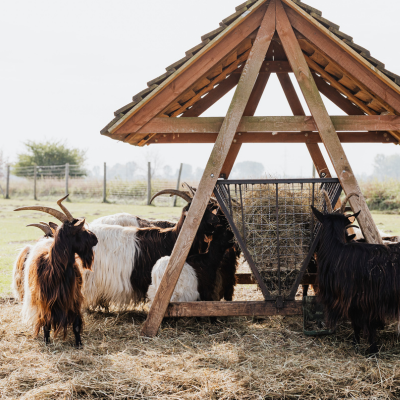
Stretching Your Forage Through Winter

As pastures fade and hay supplies tighten, it’s time to think strategically about how to stretch your forage for the months ahead. Whether you’re feeding cattle, goats, sheep, or horses, maintaining fiber and nutrition through the winter is key to keeping animals healthy and productive.

Here are a few ways to make your forage go further:


1️⃣ Supplement with Fermented Forage Products
Products like Alfahay can be an excellent replacement or supplement when hay is limited. Alfahay is premium alfalfa that’s chopped early, lightly misted with molasses, and naturally fermented in airtight bags. This process preserves nutrients and enzymes while improving digestibility—meaning your livestock can get more nutrition from less feed. Plus, it’s dust-free, highly palatable, and easy to store.


2️⃣ Add Forage in Alternative Forms
When quality hay is hard to find, alfalfa pellets, cubes, or meal are reliable, nutrient-dense options. They’re high in protein, calcium, and energy—perfect for supporting lactating animals, growing stock, or supplementing poor-quality hay. Cubes and pellets can replace part (or all) of the hay ration, while alfalfa meal is great for mixing into grain or custom feed blends. Don’t need the extra calcium from alfalfa? Timothy hay pellets, are a great option for non-lactating animals, easy keepers, or animals with sensitivities to alfalfa.


3️⃣ Manage and Monitor
Weigh out rations carefully, and consider forage testing to make sure each group of animals is getting the right balance of forage, grain, and minerals. The same volume of forage can have a drastically different nutrient profile depending on moisture, harvest season, storage and more. Reducing waste—by using feeders that limit trampling or wind loss—can save a surprising amount over the winter. Consider options like hay nets or feeders to slow down intake and protect hay from trampling.


By planning ahead and making smart substitutions, you can stretch your forage supply while keeping your animals in top condition through the colder months.

How Can We Help?

We carry Alfahay in stock all year round! We also carry dried forage products from Greenway Nutrition, a non-GMO source of quality alfalfa and timothy. Alfalfa is available in 50lb bags as pellets, cubes, or meal and Timothy is available in 50 lbs bags as pellets.

Feed Livestock
0

Nov

17

Poultry Breeder Nutrition

Why Breeding Stock Require more than a Standard Layer Diet 🐔

When you’re working with hens (and roosters) destined for breeding rather than simply egg production, certain nutritional and management demands rise — here’s some key differences and why they matter:

1. Greater demands on fertility, hatchability, chick vigor

Breeder birds are not just laying eggs to eat — they must produce eggs with optimal shell integrity, viable embryos, and strong hatchlings. That means the nutrition must support reproduction, embryonic development, and offspring robustness.

According to Jeff Mattocks of Fertrell, when you see poor fertility, low hatch‐rates, or weak chicks, it’s often a sign the feed is at “bare minimum” levels for a layer diet instead of being tailored for breeding stock.

Thus, breeders need a feed that goes beyond everyday maintenance and egg production: more amino acids (for tissue and embryo growth), more minerals (for skeletal, shell and reproductive development), and more micronutrients (vitamins, trace elements) to support all that.

2. Different life‐stage and physiological stresses

Breeding birds may be older, may undergo pauses in laying, may be managed for multiple cycles, or may be used for developing progeny lines. Their nutrient reserves (for bone, muscle, reproductive organs) must be maintained.

In contrast, a backyard layer flock is typically optimized for consistent egg output and may not be expected to produce high‐value progeny or maintain generational lines.

3. More emphasis on structure, reserves and longevity

Breeders must maintain skeletal integrity (especially in larger dual‐purpose or heritage breeds), reproductive tract health, and often longer lifespans/laying periods. A typical layer feed may assume the bird is going to be replaced sooner, or it may not account for the cumulative nutritional demand of multiple production cycles.

Jeff emphasizes good ingredient control (whole grains, quality protein sources for amino acid balance) because pasture systems or breeder flocks need that higher level of support.

4. The “dual purpose” dimension

Dual purpose birds put demands on both reproductive and growth/metabolic systems. They may require a different nutrient balance (for muscle development in the roosters, and for egg & progeny production in the hens) not well met by a single formulation of standard layer feed.

How Our Dual Purpose Feeds are Well Suited to Support Breeding Stock:

🟢 Premium ingredients + higher Fertrell mineral formulation compared to our standards layer feeds
🟢 Life-stage specific options & formulations for targeted nutrition and peak performance

🟢 Non-GMO, clean ingredients & quality control – nutritional deficiencies and toxins have a greater downstream impact on birds that you plan to keep around for long term breeding stock. Clean, quality ingredients from day one is crucial.

🟢 Meets nutritional requirements recommended by Jeff Mattocks for breeders – higher amino acids, higher ratios of mineral/micronutrients, high quality whole grains.

Our dual purpose line of feeds — non‐GMO, formulated with Fertrell® minerals, available in breeder‐specific phases (Starter, Grower, Layer) — offers precisely the kind of support breeding birds need. By selecting a feed built for this role, producers can improve fertility, hatchability and chick vigor, while maintaining strong flock health.

Feed Livestock
0

Oct

14

Do My Sheep Need Copper?

This is a FAQ around here! Yes, your sheep need copper.

Copper (Cu) is a trace mineral required by all animals, including sheep, for a number of biological functions:

  • It is a cofactor for enzymes involved in connective tissue formation, pigmentation, immune function, and redox (oxidation–reduction) metabolism.
  • It is required for proper wool coat, nervous system health, and iron metabolism.

Thus, sheep absolutely do need copper — deficiency can produce problems such as poor growth, anemia, changes in coat or wool quality, skeletal issues, or neurological problems (in severe deficiency).

Where sheep differ from other livestock is that they do not need as much of it, and they can be more susceptible to toxicity than other animals. Many sources suggest around 5 ppm as a goal for total dietary copper in sheep under “normal” conditions, which includes intake from all sources such as pasture, water, and fed rations.

Some diets that are higher in copper antagonists can allow for more copper intake. The absorption and storage of copper are strongly influenced by antagonists such as molybdenum (Mo), sulfur (S), iron, and zinc. These elements can bind or complex copper, reducing absorption or helping to prevent excess buildup.

There is also variation between breeds and ages. Some breeds (e.g. Texel, Suffolk, British short-wool breeds) and young lambs are more susceptible to copper toxicosis compared to others. Hair sheep tend to have a higher tolerance.

So how can you make sure your sheep flock is getting just the right amount of copper for ideal health and production?

1. Test your forage and soil to know what your sheep are already getting

2. Use a sheep specific mineral mix like one of the options listed below

3. Use antagonists wisely to avoid deficiencies

4. Limit stress to avoid sudden copper release from the liver

5. Supplement copper from only one source if possible to avoid overdosing

6. Make changes gradually and do periodic liver testing on cull animals if an overdose or deficiency is suspected

We offer several mineral mixes that are appropriate for sheep depending on your flock’s needs. Fertrell’s Sheep Nutri-Balancer and Fertrell’s Grazier’s Choice do not contain added synthetic copper, and are ideal for sensitive breeds or herds already receiving copper elsewhere. Redmond’s Selenium 90 contains added copper at sheep appropriate levels, while supplementing selenium and supporting reproductive health.

Proper management of copper levels in your sheep flock may seem tricky, but don’t let it scare you away from this important mineral! Stick with a quality mineral formulation to take the guesswork out of it for you.

Rather have a ready-made feed ration that already includes Fertrell’s Sheep Nutribalancer and meets the needs of your entire flock from lactating ewes to young lambs? Our 16% Sheep sweet feed provides everything your flock needs.

Feed Livestock
0

Oct

14

Proper Chicken Feeder Height & Adjustments

Feeding Chickens the Right Way Matters

Choosing the correct feeder type—and setting it up properly—can make all the difference for your flock’s health and your feed bill.

✅ We recommend deep trough feeders, adjusted to the height of your chickens’ backs. This setup keeps meat birds from lounging in front of the feeder all day, blocking access for others. It also reduces waste and prevents birds from sorting out their favorite feed particles.

✅ Flow control matters. Feeders with flow adjustment should always be set to the minimum flow needed. This avoids overfeeding and keeps feed fresh and consistent.

✅ Right height, right results. As birds grow, raise the feeders so feed stays at back-height level. This prevents scratching, spilling, and contamination.

✅ Let your feed “breathe”. All feeders need some kind of ventilation and shouldn’t be fully enclosed. This prevents mold growth from condensation, and the release of moisture in freshly milled feeds.

✅ Keep it clean. Regularly check for buildup in feeders—fresh feed means healthier birds and better performance.

Feeding is more than just filling a trough—it’s about smart management that saves you money and supports flock health. 🐥

Feed Livestock
0

Oct

13

The Sunshine Brand – Non-GMO Pelleted Options for You

At Kraut Creek, our passion has always been for wholesome, natural nutrition that lets animals thrive as nature intended. That’s why we primarily recommend ground and whole grain feeds—they support natural foraging behaviors and healthier digestion. Usually the process of pelletizing feed ingredients means compromising some aspects of the ingredient’s nutrition, and sometimes requires the addition of ingredients that we would rather not use in order to get the pellets to bind. This is why it’s not our first choice.

But we also know every farm is different. Some of our customers prefer a pelletized feed. For those farms, we created our Sunshine brand 🌞 — taking a few of our most popular formulations and offering them in a pelleted form.

What you’ll find in Sunshine feeds:

✔️ Non-GMO ingredients you can trust

✔️ Balanced nutrition for specific species

✔️ Quality vitamins, minerals, and natural additives to keep animals healthy

While Kraut Creek doesn’t promote pellets as the ideal choice, we recognize that they may work best for some farms and homesteads. Sunshine is our way of making sure that if you do choose a pelleted ration, you’re still feeding the very best—always non-GMO, and crafted with care.

Ask us about Sunshine feeds if you require a pelleted option—because we believe that every farm deserves nutrition that fits their unique needs.

See our Sunshine feed labels here

Feed Livestock
0

Oct

13

Feeding Quail: Our Non-GMO Program

Premium Nutrition for Every Stage of Your Quail’s Life

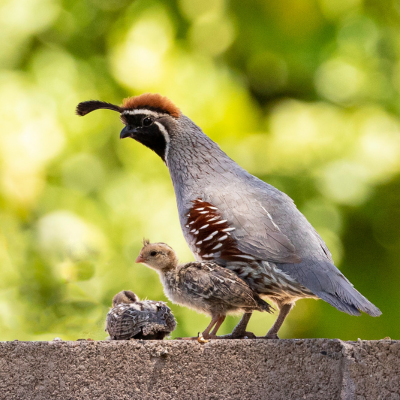
At Kraut Creek, we know quail aren’t just “small chickens.” Their nutritional needs are different—and their feed should reflect that. Quail grow faster, lay more frequently in proportion to their body size, and require higher levels of protein, amino acids, and calcium than chickens or other poultry. That’s why we’ve crafted a complete Non-GMO Quail Feed Program to support them from hatch to lay.

Quail Starter (Hatch to 3 Weeks)

From hatch to 3 weeks of age, quail need exceptional levels of protein to support rapid growth and feathering. With 30% protein, balanced amino acids, and added vitamins and minerals, our Starter ensures strong, healthy chicks with a foundation for lifelong performance.

Quail Grower (3 Weeks to Butcher Weight)

From 3 weeks until the first egg (or butcher weight), quail benefit from steady, moderate growth. Our Grower feed delivers 22% protein, with the right balance of fat, fiber, calcium, and phosphorus to keep young birds thriving without excess weight gain.

Quail Layer (From first egg Onward)

Once laying begins, nutrition shifts. Quail need not only protein but also high levels of calcium to support strong shells and consistent egg production. Our Layer formula offers 20% protein and 3.5% calcium, giving your quail exactly what they need to stay productive and healthy.

Why Kraut Creek Quail Feeds?

  • Non-GMO verified ingredients
  • Complete, stage-specific rations (no extra mixing required)
  • Higher protein levels than standard poultry feeds to meet quail’s unique needs
  • Balanced omega-3 & 6 fatty acids, vitamins, and minerals for optimal health and productivity

Whether you’re raising quail for eggs, meat, or simply the joy of keeping these amazing little birds, Kraut Creek’s Quail Feeds give them the premium, non-GMO nutrition they deserve.

Feed Livestock
0

Oct

13

Why Ducks Need a Different Feed Than Chickens

Duck Nutrition 101:

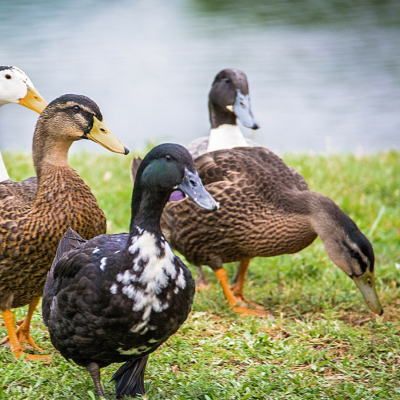
Not all poultry are the same—and that’s especially true when it comes to ducks. While chickens, turkeys, and other birds share some nutritional needs, ducks have unique dietary requirements that make a specialized feed essential for their long-term health and productivity.

That’s why our Non-GMO Duck Layer 17% was designed specifically for laying ducks. Here’s what makes it different:

✅ Higher Niacin Levels

Ducks need more niacin (vitamin B3) than chickens. Without it, they can develop leg problems and poor growth. This feed includes niacin supplementation to keep ducks strong and active, without overdoing it.

✅ Correct Protein & Amino Acid Balance

At 17% protein with carefully balanced lysine and methionine, this ration supports steady egg production without overloading ducks with excess protein that can stress their systems.

✅ Optimized Calcium for Strong Eggshells

Ducks require strong shells but not the extremely high calcium levels that chickens sometimes get. This feed keeps calcium at 3–4%, the sweet spot for duck layers—strong shells, healthy bones.

✅ Added Probiotics & Fermentation Extracts

Because ducks love water and can be prone to wet litter conditions, gut health is critical. The addition of beneficial microbes helps digestion and overall resilience.

✅ Proper Fat & Energy Levels

Ducks burn more energy (especially in cooler weather and when foraging). With 7.5% fat, this feed provides extra calories compared to most chicken layer feeds.

Feeding Directions

Provide as the sole ration once ducks begin laying, and continue throughout their laying cycle. They should eat around 3-4oz per head for laying ducks. Always keep fresh, clean water available—ducks need more water than chickens to eat comfortably and stay healthy.

With the right nutrition, your ducks will reward you with strong, beautiful eggs and long-lasting health. 💛

FAQ: Can this feed be used for chickens and turkeys?

Yes, Duck layer can be safely fed to chickens and turkeys . The higher levels of niacin that ducks need will not hurt your other poultry.

Feed Livestock
Comments Off on Why Ducks Need a Different Feed Than Chickens
  • 1
  • 2
  • 3
Kraut Creek Regenerative Ag Supply

Based in west central Ohio, Kraut Creek is a premium Non-GMO feed manufacturer focused on the health of your animals.

Non-GMO Project Logo
AGW Logo, Animal Welfare Approved
Non-GMO Project Logo
AGW Logo, Animal Welfare Approved
About the Company

Our Promise to You

The health of your livestock is important. The premium ingredients found in each Kraut Creek feed bag are formulated without growth hormones or antibiotics to ensure the integrity of our feeds and the health of your animals.

Contact Us

1468 Sater Street
Greenville, Ohio 45331

Open Monday-Friday (8am-4:30pm)

(833) 466-6466
OR 833-4NONGMO

info@krautcreek.com

Follow us on Facebook!

Copyright @ 2023 Kraut Creek, Inc. | Terms & Conditions | Privacy Policy