Kraut Creek Regenerative Ag Supply

Kraut Creek Regenerative Ag Supply

  • Menu
  • Non-GMO Feed
  • Ordering
  • Other Products
  • Dealers
  • Education
    • Articles
  • FAQ
  • Contact
LET’S GET SOCIAL

Kraut Creek Regenerative Ag Supply

  • Contact us

    Contact us today for further info:

    1468 Sater Street
    Greenville, Ohio 45331

    (833) 466-6466
    OR 833-4NONGMO

    info@krautcreek.com

Contact Us

  • 937.459.0618
  • info@krautcreek.com

Animal Health

  • Home
  • Cold Weather Animal Care
  • Animal Health

Jan

22

Cold Weather Animal Care

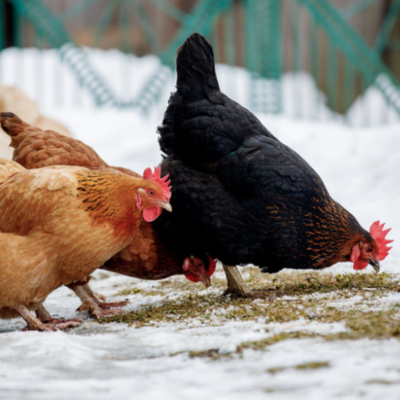
As temperatures drop, keeping animals warm, hydrated, and stress-free becomes a top priority for every farm and homestead. Cold weather brings unique challenges—but with the right preparation, your animals can stay comfortable and healthy all winter long.

Here are your 3 main priorities to help your herd and flock thrive through the coldest days of the year:

1st Priority – Water 💧

One of the biggest dangers of winter for all animals is decreased hydration. This can be because water sources become frozen, or simply because the water is cold, which decreases animal intake. Dehydrated animals are more susceptible to impactions or disease, and will have a harder time keeping warm. Ensuring you have clean, ice-free water is the most important winter prep you can do for your animals, and if you can keep it warm, even better! Studies show animals will drink 40% more water when it is warm than when it is near-freezing.

Cold-Weather Water Tips ❄️

Keeping water from freezing can be one of the hardest winter chores. Try these tricks:

🔹 Heated waterers or bucket heaters made for that purpose (safest & most reliable). Resist the urge to use options not rated for outdoor use, like crockpots, which present a fire hazard. Use grounded, outdoor extension cords for any heaters and make sure cords are tucked away where nosy animals can’t mess with them (ahem, goats, we are looking at you!)

🔹 Insulate buckets & troughs by placing them inside larger tubs filled with straw, sawdust, or even old blankets. Anything works for insulation!

🔹 Use dark-colored, rubber tubs which thaw faster in sunlight and are less likely to break if you need to bust out ice or flip them over.

🔹 Float a tennis ball, ping-pong ball, or a bottle filled with salt water in troughs to reduce surface ice. Yes, we know, this doesn’t work for long in seriously cold temps, but does the trick during a more mild freeze.

🔹 Place water under partial shelter to reduce wind exposure and prevent surface ice. Use a piece of plywood to cover the tops of troughs, leaving a small opening for animals to access, this can help insulate and prevent freezing.

🔹 Use a Freeze Miser to prevent freezing of hydrants, hoses and faucets in areas without electricity. These amazing little valves work in the coldest of climates, check out their website to see how they can be set up in a variety of ways to conquer your winter water woes.

🔹 Add hot water to your buckets and troughs to slow freezing – it can be handy to keep a coffee pot or electric tea kettle in the barn so you can heat up water on the spot! Hot water will also thaw surface ice instead of needing to bust or remove it, making it a win-win option.

2nd Priority – Forage 🌱

All grazing type animals – from cattle to horses to rabbits – use heat produced by the fermentation of their forage to stay warm in winter. While they should have access to forage 24/7 all year, this becomes even more crucial in the wintertime. If your pasture is covered in snow and the grass is lean, then provide hay to your animals in steady supply.

As the temperature drops, calorie needs increase to keep the body warm, which means some animals may need supplemental feed along with increased forage. For every one degree that it drops below 18 degrees, animals need more calories than normal to maintain body heat. Trying to avoid wasted hay in the snow and mud? Feed in hay nets that can be hung up off the ground to keep it clean and dry. Or spread the hay around your pasture so your animals are not wearing down one area, and your pasture is getting some extra organic material at the same time.

Hay becomes harder to find as we get further into winter, so make sure your stores are secured now before the worst of the weather really sets in. If you live in an area where hay can be difficult to source, look at bagged forage options to stretch or supplement your hay supply such as alfalfa or timothy cubes and pellets, or products like Alfahay.

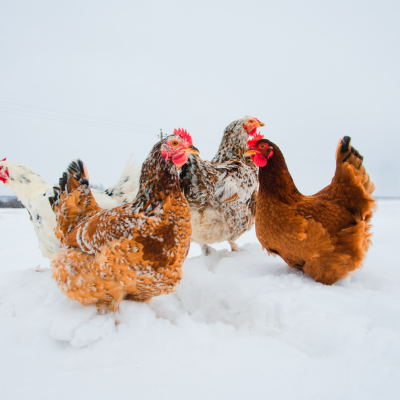
While chickens are not grazers, they can benefit from a little extra fat in their diet during cold temps – a little, not a lot. Feed them some scratch, tallow or coconut oil as a treat during freezing weather.

3rd Priority – Shelter 🏠

Sometimes ‘shelter’ gets overcomplicated, more than it really needs to be. The most important component of good shelter is that it helps protect your animals from wind and precipitation. Both wind and wet impede the insulating properties of an animal’s coat or feathers, making it harder to stay warm. If you’ve ever seen animals use a shelter, you already know that they care more about the wind than the wet, which is why they will stand outside of a shelter in the pouring rain in order to block wind coming from the other direction.

So when you think about shelter for your animals, it can be as simple as some straw bales stacked up as a wind-block around your chicken run. It can be a mobile structure with just a roof that you move through your pasture rotation for your ruminants. It can be a blanket on your horses, or a solid wall of fence to block the wind. Add extra bedding or straw to these areas for insulation and warmth from the cold ground when your animals bed down for the night.

Remember – moisture is your biggest threat when it’s cold. So keep coops, stalls, and sleeping areas cleaned and dry. No matter how cold it is, do not fully close up or insulate your coops and shelters, ventilation is important and prevents moisture build up, which can cause frostbite and respiratory disease.

A few other cold-weather tips:

✔ Keep hooves clean

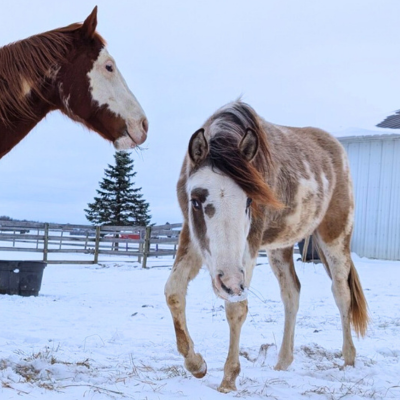
While horses are most susceptible, all hooved animals can get snow and ice packed into their feet. This can cause soreness, infections, and decreased traction on already slippery ground. Spread Vaseline or other oil-based product on the bottoms of their hooves to help prevent ice pack.

✔ Keep salt available

Salt is not just a hot weather necessity – keeping salt in front of your herd all year round will encourage hydration, which is equally important in cold temperatures.

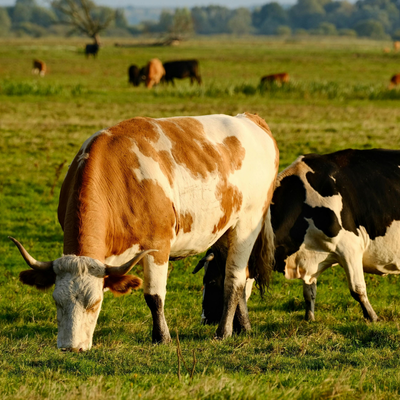
Winter care takes extra effort, but the reward is healthy animals who stay warm, hydrated, and thriving through snow, ice, and wind. With adequate shelter, consistent access to forage, and a plan for open water, your livestock—from chickens to cattle—can weather the cold with ease. Stay warm out there friends! ☃️
Animal Health
0

Jan

22

Winter Tips & Reminders for Laying Hens

As we move into fully into winter, it’s completely normal for egg production to slow down — and for many flocks, this time of year is a natural pause in the hen’s laying cycle. Just like us, this time of year is a period of rest and reset.

🌞 Light Drives Egg Production

Remember – all animals set their biological clocks off the sun – not the temperature. Daylight hours are what signal animals to prepare for the change in season, from a slowdown in laying, to growing a winter coat, to spiking ACTH to store more calories as fat for the upcoming winter. Sunlight drives all of these functions.

Hens need about 14–16 hours of light per day to maintain consistent laying. When light enters the eye, it triggers the pituitary gland to release hormones that start the egg-laying process. Shorter days signal their bodies to slow or stop egg production. This happens every year as daylight decreases and is part of a healthy, natural rhythm. Here in Ohio, we are currently getting about 9.5 hours of daylight. By comparison, Florida is already back to getting 14 hours of sunlight!

🍂 Where We Are in the Laying Cycle Right Now

This season is often when hens are:

  • Finishing a molt
  • Taking a natural reproductive break
  • Conserving energy to reset for spring laying

This pause helps extend a hen’s productive life and usually leads to stronger laying when days lengthen again.

❄️ Cold Weather = Higher Energy Needs
When temperatures drop, hens use more calories just to maintain body heat. Energy that might have gone toward egg production is now prioritized for:

  • Staying warm
  • Feather regrowth
  • Overall health

This is another reason egg counts dip — even with excellent nutrition.

You can support these extra calorie needs by giving your chickens a high-energy treat in the evenings such as a handful of scratch grains, a dallop of coconut oil, or some fresh raw milk. The digestion of high fat foods generates heat for your birds. Just don’t overdo it – a little goes a long way!

💡 Can Supplemental Light Help? Yes!

Adding light can help maintain or boost egg production. Follow these tips:

Add light in the early morning, not the evening. Set your timer so lights come on before dawn rather than staying on late into the night. This helps hens naturally go to roost as it gets dark and prevents stress or disorientation.

Use a soft, warm light source. A single low-wattage LED or incandescent bulb (around 40 watts or 200–400 lumens) is usually enough for a small coop. You don’t need bright light — just enough to mimic dawn.

Provide 14–16 total hours of light per day. For example, if you get 10 hours of daylight, set your timer for 4–6 hours of morning light. Gradually increase it over a week to avoid shocking your hens’ system.

Keep it consistent. Chickens thrive on routine. Use a timer so the light comes on and off at the same time every day.

Prioritize safety. Use a bulb guard or protective cage, keep wires out of reach, and make sure all electrical components are rated for barn or outdoor use to avoid fire hazards.

Roosters need the same amount of daylight to maintain full fertility that hens need to lay eggs. So if you are planning on hatching eggs this spring, make sure your chickens are getting enough light.

⚖️ Should You Use Supplemental Light?
There’s no right or wrong answer. Using artificial light helps keep egg production more consistent, which is ideal for those who sell eggs or rely on steady output.
On the other hand, letting your hens rest naturally through the winter gives their bodies a break, often leading to stronger, more productive laying in spring. Remember – A hen is born with all the eggs she will ever have. Know that keeping egg production consistent year-round with supplemental lighting means that your hens will not lay as long. But for some farmers, this is worth the trade-off.

💚 The Takeaway
A slowdown in egg production this time of year is normal, expected, and not a sign of poor feed quality. Whether you choose to let your hens rest or support production with supplemental light, understanding their natural cycle helps you make the best choice for your flock.

Happy, healthy hens lay better eggs — in every season 🐓✨

Animal Health
0

Nov

04

Protecting Your Herd During Fall Grazing

Why Fall Grasses Can Be Risky

Although many producers focus on spring pastures as being high risk, fall grazing carries similar hazards. Cool nights + good moisture + shorter days combine to produce grasses that are lush but less digestible, which can lead to rumen upsets and bloat.

Key Risk Mechanics

As grasses grow in the cooler, wetter fall conditions, they pull up moisture and nitrogen during the n ight but they don’t have as much daylight/heat to convert those into mature fibre, stem or structural carbohydrates. That results in high moisture, high N (protein fraction) but low effective fibre and slower plant metabolism → less digestible forage.

That lower digestibility can slow rumen evacuation, increase gas build-up, and lead to bloat when animals eat too much too fast.

Meanwhile, cool-season grasses, especially regrowth or early fall flushes, often have low magnesium (Mg) levels or antagonistic high potassium (K) or nitrogen ( N ) which interfere with Mg uptake by the animal. This sets the stage for grass tetany.

Then What Happens?

Bloat: Gas builds in the rumen, often from animals turned onto lush legume or high moisture grass pastures when hungry or moist. The timing is critical — right after frost, early morning, or when the grass is wet.

Grass Tetany: Also called “staggers,” this is a metabolic disorder characterized by low blood Mg in ruminants grazing lush, Mg-deficient pastures (and often high K). Symptoms can progress rapidly to convulsions and death.

In non-ruminant animals – such as horses – similar dangers from fall pastures are present, but often show up as colic (digestive upset) or laminitis (inflammation in the hooves).

🛡️ Practical Prevention Strategies

Here are some actionable steps to reduce the risk:

1️⃣ Delay turnout

Wait until pastures have dried after dew or rain (especially after frost or that first fall flush) before moving them onto the pasture, or to a new section of rotational grazing. Turn animals out later in the day when grasses have had a chance to ‘work’ in the daylight, usually around noon or so.

2️⃣ Fill them up with dry forage first

Give animals dry hay/forage before allowing access to high-risk pasture. This reduces the binge effect and the sudden influx of lush forage.

3️⃣ Pasture and Forage management

Avoid turn out on pure, young, rapidly growing grass flushes — especially cool season grasses or cereal covers. Where possible, include legumes which often have higher Mg and more structural fibre, which mitigate some risks.

Monitor fertilization: high N & K fertilizing increases risk of tetany because K antagonizes Mg in the rumen.

4️⃣ Supplementation of key minerals

For grass tetany: ensure animals have access to a mineral mixture that provides adequate magnesium such as Grazier’s Choice with added magnesium from Fertrell, or a magnesium block. You can also add epsom salt (magnesium sulfate) to your existing free-choice mineral to boost the magnesium content. You want to have a mineral that contains 10-14% magnesium, or about .6 ounces of pure Mg daily per head.

For bloat: consider anti-bloat measures (adding oil to your water trough) and avoid abrupt grazing changes that can upset the balance of the rumen. Make sure your herd has access to adequate salt amounts.

Combine mineral supplementation with the management practices above (delayed turnout, dry hay first, pasture mix, etc.) for best results.

✅ Take-aways:

Fall grasses can pose hidden risks: bloat (from lush, wet, high-moisture/low-fibre pasture) and grass tetany (from Mg-deficient, high-K/N forage).

Prevention = good timing of turnout + ensuring animals are fed/have dry forage first + pasture composition + mineral support.

Using a mineral product like Grazier’s Choice (especially the Mg version) helps ensure animals have the micronutrient support they need.

Always monitor animals closely when first grazing new pasture flushes — the onset of issues can be very rapid.

Happy grazing!

Animal Health
0

Nov

04

Help Your Birds Through Molt Season

Helping Your Chickens Through Molt — Naturally 🪶

Molt is one of the most important — and misunderstood — times in your flock’s year. Every fall, your hens shed old feathers, lose some weight, and reset their systems for another productive laying cycle. With the right nutrition and environment, you can help them move through molt smoothly and come out stronger than before.

🧬 What Really Happens During Molt

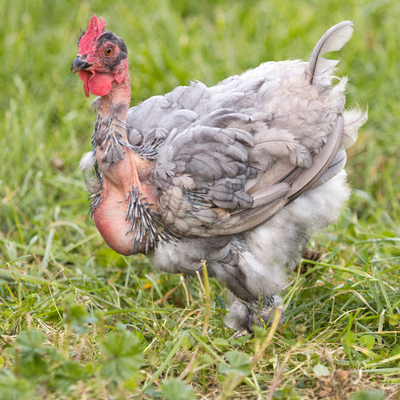
According to Jeff Mattocks of Fertrell, during molt your birds actually run a mild fever as their bodies work to drop and regrow feathers. They’ll lose about 15–25% of their body weight, which helps remove internal fat, shrink the ovaries, and reset their reproductive system for the next laying season.

This process takes a lot of energy — but not in the way you might think!

🪶 Early Molt = A Different Diet

When the molt begins, birds are already running warm and under stress. That means they actually need a lighter, high-fiber, lower-protein diet at first — not a protein boost right away.

A proper molt starter feed should look something like this:

Protein: 10–11%

Fat: 2–3%

Fiber: 10% or more

Lysine: under 0.7%

Methionine: under 0.3%

Calcium: around 1.5%

Phosphorus: about 0.6%

If you can’t find a dedicated molt feed, you can easily make your own:

👉 Mix 1 part of your regular feed with 3 parts whole oats.

This will safely dilute the protein and boost fiber to help your flock feel more comfortable during this warm, stressful phase. You may need to add back minerals when diluting feed.

Feed this blend for about 14-21 days, at a rate of 2 ounces per standard bird.

🌿 Then, Shift Gears

After that two or three-week period, switch your birds to a high-quality, amino-acid-enriched diet — ideally 18% protein or higher — to support new feather growth and rebuild body condition.

This second phase helps produce strong, shiny plumage and sets your hens up for healthy egg production when they start laying again. Kraut Creek’s Hi-Temp Layer or Dual Purpose feeds are both great options for this recovery period.

💧 Keep Them Cool and Comfortable

Because molting birds run a natural fever, heat stress can become a problem. Help them stay cool by:

Offering extra drinkers and cool, clean water

Providing shade and good air circulation

Using fans or misters in hot climates

Ensuring plenty of space so they can spread out and avoid crowding

Avoid feeding molt diets to juvenile birds that aren’t ready to molt — separate them if you can.

🌻 The Regenerative View

Molt isn’t a setback — it’s a biological reset. By letting your birds shed fat, rebuild feathers, and rebalance internally, you’re supporting their long-term health and the productivity of your flock naturally. A healthy molt means fewer health problems later and better overall performance when laying resumes.

✨ In short:

Start with a low-protein, high-fiber “cool down” phase

Transition to a high-protein, amino acid-rich recovery phase

Support hydration, comfort, and calm

Avoid overfeeding or excess heat

Be patient with your birds as they regrow and move back into production

Give your flock the grace to rest and rebuild — and they’ll reward you with renewed vigor, glossy feathers, and strong eggs in the months ahead.

Animal Health
0

Oct

14

Preparing for Cold Weather with Poultry

We saw a sharp drop in temps this week here in Ohio, where we are based. It’s a quick reminder that cold temperatures are just around the corner!

As temperatures drop, your poultry flock faces new challenges: cold stress, ice, drafts, pests seeking shelter, diminished daylength, moisture, and respiratory risks. A little proactive planning can make all the difference in keeping your birds healthy, comfortable, and productive through the season. Below are 7 practical, low-tech strategies that align with natural and resilient husbandry.

1️⃣  Avoid Supplemental Heat Shock

One common mistake is installing heat lamps or other supplemental heating. While tempting, it’s really not necessary, even in the coldest of climates. Chickens have an average body temperature of 105-109 degrees, and their feathers provide the ultimate cold weather protection. Using supplemental heat sources can create dangerous temperature shock that causes stress and chilling, not to mention the fire risk. Instead:

  • Rely on passive insulation (bedding, draft control)
  • Maintain ventilation and fresh air (priority #1!)
  • Protect from wind, drafts, and snow intrusion

2️⃣ Don’t Overthink the Feed

Don’t overcomplicate “winter rations”: Birds are resilient. Rather than shifting feeds, focus on keeping it dry. As long as you are feeding a quality, balanced feed your birds will not need anything extra for the winter months.

Feeding fats: In extreme weather, providing a little extra energy can help birds maintain body heat. A modest amount of animal fat (lard, tallow) or high-quality vegetable fats can help them thermoregulate without forcing them to overeat bulk feed. But don’t overdo it! A fat chicken is susceptible to death and disease.

3️⃣  Insulation & Bedding

Extra bedding = extra insulation. Provide ample dry material (pine shavings, straw, chopped leaves) to insulate floors, nest boxes, and walls.

Raise roosts off the ground so chilled ground air doesn’t sap body heat.

Wind breaks (solid walls, barnboard, tarps) help block cold drafts or snow intrusion at coop openings.

4️⃣  Ventilation

You need a balance: fresh air without drafts. Ventilation prevents ammonia and moisture buildup and respiratory issues without chilling the birds. Avoid sealing the coop too tightly; stale air is worse than cold air.

5️⃣  Water — Critical!

Keep water fresh, clean, and ice-free. Use heated buckets or trough heaters where safe, or check and break ice multiple times daily. Livestock drink considerably more water in winter when that water is warm than when it is near-freezing temperatures. Water in cold weather must stay available—thirst is a serious stressor.

6️⃣  Comb & Skin Protection

Use petroleum jelly (Vaseline or equivalent) on combs, wattles, and exposed areas to reduce frostbite risk. A thin coating helps protect against freezing winds. Keep your bird’s feet dry (wet bedding or floor surfaces increase risk of frostbite and foot issues).

7️⃣  Coop Sanitation & Pest Prevention

Clean up before pests move in. As weather cools, rodents, insects, and other pests seek shelter and food. Do a full coop cleanout: remove all bedding, droppings, old feed, nest materials.

Apply agricultural lime under bedding floor (on the bare coop floor) to help control odors, pathogens, and insect larvae.

Sulfur & garlic in feed to deter mites. Mix 2 tablespoons powdered sulfur + 2 Tbsp. garlic powder per 25 lb feed to help discourage mites and external parasites. Maintain the supplement for at least 30 days to allow the ingredients to build up in the bird’s blood supply and make them less appetizing to these pests.

Control mice & rats wisely. One trick from Fertrell’s Jeff Mattocks: using naturally sweetened bubble gum (e.g. Bubble Yum, Chiclets) placed where only rodents can access. Avoid artificial sweeteners (they won’t eat it). This is a low-toxicity method of poisoning rodents that doesn’t endanger other animals who may eat them.

Don’t overload yourself this season – we all have enough to keep with as it is, right? Prioritize what matters most, and your birds will fare well until spring.

Animal Health
0

Oct

13

What is KC Plus?

Our “Kraut Creek Plus” line of feeds combines the power of OGS with any of our existing feed products.

What Is OGS?

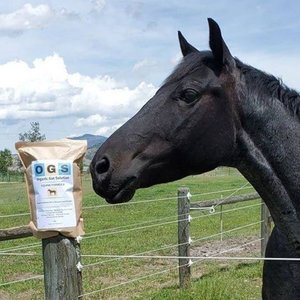
Organic Gut Solution (OGS) is a carbon‑based, regenerative gut‑health supplement crafted by Verticarb, Inc. It uses activated organic biochar, combined with montmorillonite clay and diatomite, to naturally support and optimize digestive health across species.

It is tailored to the specific nutritional and gut‑health needs of each species (“Poultry Formula”, “Bovine Formula”, etc.) using bio‑available minerals to avoid depleting the animal’s reserves. It is chemical‑free and organic-friendly, making it a natural alternative to antibiotic growth promoters and medicated feeds.

What Does OGS Do?

1. Balances pH & Binds Toxins

OGS creates a gut environment that reduces acid stress, binds harmful bacteria and toxins, and safely removes them via waste—all while encouraging beneficial gut flora to thrive.

2. Improved Feed Efficiency & Production

When digestion is optimized, animals can extract more nutrition from feed. This results in better weight gain, higher milk production, more consistent egg laying, or extended laying periods. Not to mention lower feed costs!

3. Immune Support & Stress Reduction

When gut balance is maintained, an animals body can shift focus toward immune function. Field reports note calmer flocks, lower mortality under stress, and improved recovery from challenges like coccidiosis or enteritis.

4. Lower Odor, Healthier Feathers & Skin

Users report reduced manure odor, shinier and fuller feathers, shinier coats, and overall improved appearance of their herds & flocks.

5. Ease of Use & Flexibility

Suitable for all animal types regardless of age—OGS can be offered free‑choice, mixed into feed, or top‑dressed. Have multiple species on your farm? Buy our bulk bag to share among all of your animals.

When to Use OGS?

Especially helpful during stress and transition periods, young animal development, and gut challenges like coccidiosis, scours, or enteritis. Use as needed during these periods or keep OGS in your feed year-round to boost growth and provide extra immunity—without the drawbacks of antibiotics or harsh additives.

Try the KC Plus line of your favorite Kraut Creek feed to level up your feed game!

Already have your feed in the barn? Purchase a bag of species-specific OGS supplement to top dress, or a bulk bag for all species!

Animal Health, Feed Livestock
0
Kraut Creek Regenerative Ag Supply

Based in west central Ohio, Kraut Creek is a premium Non-GMO feed manufacturer focused on the health of your animals.

Non-GMO Project Logo
AGW Logo, Animal Welfare Approved
Non-GMO Project Logo
AGW Logo, Animal Welfare Approved
About the Company

Our Promise to You

The health of your livestock is important. The premium ingredients found in each Kraut Creek feed bag are formulated without growth hormones or antibiotics to ensure the integrity of our feeds and the health of your animals.

Contact Us

1468 Sater Street
Greenville, Ohio 45331

(833) 466-6466
OR 833-4NONGMO

info@krautcreek.com

Follow us on Facebook!

Copyright @ 2023 Kraut Creek, Inc. | Terms & Conditions | Privacy Policy